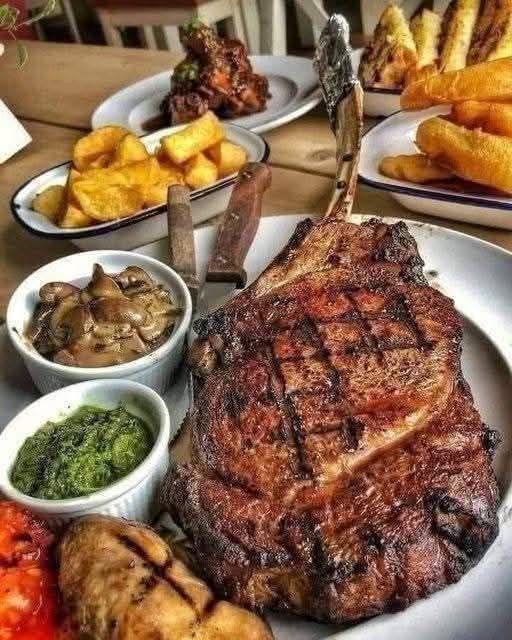
A ribeye steak is one of the most beloved cuts of beef in the world, prized for its rich marbling, deep beefy flavor, and tender texture. When cooked correctly, it delivers a luxurious eating experience that rivals even the best steakhouse meals. The beauty of a ribeye lies in its simplicity: with just high-quality meat, salt, and pepper, you can create something extraordinary. This recipe focuses on mastering the fundamentals so that even beginners can cook a flawless ribeye steak with confidence.
This guide goes far beyond a basic recipe. It explains why each step matters, how to adapt the method to different kitchens, and how to serve the steak beautifully. Whether you’re cooking for a special occasion, a weekend treat, or simply craving a perfect steak, this is your ultimate reference.
Understanding the Ribeye Cut
Before cooking, it helps to understand what makes ribeye special.
Ribeye comes from the rib section of the cow, specifically from ribs six through twelve. This area is less worked by the animal, which is why ribeye is naturally tender. What truly sets it apart is the marbling—thin streaks of fat distributed throughout the meat. As the steak cooks, this fat melts and bastes the meat from the inside, creating exceptional juiciness and flavor.
Ribeye steaks can be:
-
Boneless ribeye
-
Bone-in ribeye (also called cowboy steak or tomahawk if the bone is long)
Both are excellent. Bone-in ribeyes tend to have slightly more flavor and retain heat better, while boneless ribeyes cook more evenly and are easier to handle.
Ingredients
Main Ingredients
-
1 ribeye steak (1¼–1½ inches thick, 12–18 oz / 340–510 g)
Thickness is key. Thin steaks overcook easily, while thick steaks allow better control. -
Sea salt flakes
Flaky salt gives better texture and more even seasoning. -
Freshly ground black pepper
Always grind fresh for maximum aroma and flavor.
Optional (But Recommended) Additions
These are not required but can elevate the steak:
-
1 tablespoon high-smoke-point oil (avocado, grapeseed, or canola)
-
2 tablespoons unsalted butter
-
2 cloves garlic, lightly smashed
-
2–3 sprigs fresh thyme or rosemary
Equipment You’ll Need
-
Heavy skillet (cast iron preferred)
-
Tongs
-
Instant-read thermometer (optional but helpful)
-
Paper towels
-
Plate or cutting board
-
Aluminum foil (for resting)
Step 1: Choosing the Right Steak
The foundation of a great ribeye is the steak itself.
When buying ribeye, look for:
-
Good marbling throughout the steak
-
Bright red color (not gray or brown)
-
Firm texture, not mushy
-
Even thickness
If possible, buy from a butcher rather than pre-packaged supermarket meat. A butcher can cut the steak to your desired thickness and often provides better-quality beef.
Step 2: Bringing the Steak to Room Temperature
Remove the ribeye from the refrigerator 45–60 minutes before cooking. This step is crucial.
Cold steaks cook unevenly, often resulting in a burnt exterior and undercooked interior. Allowing the steak to warm slightly ensures even cooking from edge to center.
Place the steak on a plate, uncovered, while it rests.
Step 3: Drying and Seasoning
Pat the steak thoroughly dry with paper towels. Moisture on the surface prevents proper browning.
Season generously on both sides with:
-
Sea salt flakes
-
Freshly ground black pepper
Do not be shy—thick steaks need adequate seasoning.
Why only salt and pepper?
Ribeye already has incredible natural flavor. Adding too many spices can mask the richness of the beef. This minimalist approach lets the steak shine.
Step 4: Preheating the Pan
Heat your skillet over high heat for 3–5 minutes until it is very hot. A properly heated pan is essential for creating a deep, flavorful crust.
Add the oil and swirl to coat the surface. The oil should shimmer but not smoke excessively.
Step 5: Searing the Ribeye
Carefully place the ribeye into the hot pan. It should sizzle immediately.
Do not move the steak for the first 2–3 minutes. This allows a crust to form.
After 2–3 minutes, flip the steak using tongs.
Sear the second side for another 2–3 minutes.
If the steak has a fat cap or large edges of fat, use tongs to hold the steak upright and render the fat for 30–60 seconds.
Step 6: Butter Basting (Optional but Highly Recommended)
Reduce the heat to medium.
Add:
-
Butter
-
Garlic
-
Herbs
As the butter melts, tilt the pan slightly and spoon the melted butter over the steak repeatedly for 1–2 minutes. This technique, known as butter basting, adds richness and infuses the steak with aromatic flavor.
Step 7: Checking Doneness
Use an instant-read thermometer or the finger test.
Internal Temperature Guide:
-
Rare: 120–125°F (49–52°C)
-
Medium-rare: 130–135°F (54–57°C)
-
Medium: 140–145°F (60–63°C)
-
Medium-well: 150–155°F (65–68°C)
-
Well-done: 160°F+ (71°C+)
For ribeye, medium-rare is widely considered ideal, as it preserves juiciness while rendering the fat.
Remove the steak from the pan 5°F (3°C) below your target temperature, as it will continue cooking while resting.
Step 8: Resting the Steak
Transfer the steak to a plate or cutting board. Loosely tent with foil and rest for 8–10 minutes.
Resting allows juices to redistribute throughout the meat. Cutting too soon causes juices to spill out, resulting in a dry steak.
Step 9: Slicing and Serving
Slice the ribeye against the grain for maximum tenderness.
Sprinkle lightly with additional sea salt flakes just before serving.
Serve whole for dramatic presentation or sliced for sharing.
Serving Suggestions
Ribeye pairs beautifully with classic sides:
-
Thick-cut fries or roasted potatoes
-
Garlic mushrooms
-
Creamed spinach
-
Grilled vegetables
-
Chimichurri or herb butter
-
Simple green salad
For sauces, keep it simple. Ribeye doesn’t need much.
Common Mistakes to Avoid
-
Cooking cold steak – leads to uneven doneness
-
Overcrowding the pan – lowers temperature and prevents searing
-
Flipping too often – disrupts crust formation
-
Skipping rest time – results in dry meat
-
Overcooking – ribeye shines at medium-rare
Variations & Cooking Methods
Grilled Ribeye
-
Preheat grill to high
-
Sear 2–3 minutes per side
-
Finish over indirect heat
Oven-Finished Ribeye
-
Sear in skillet
-
Transfer to 400°F (200°C) oven
-
Finish until desired doneness
Final Thoughts
A perfectly cooked ribeye steak is proof that simplicity, when done correctly, can be extraordinary. With just salt, pepper, heat, and a bit of patience, you can create a steak that is juicy, flavorful, and deeply satisfying. This recipe is designed to give you confidence and control, whether you’re cooking your first ribeye or refining your technique.