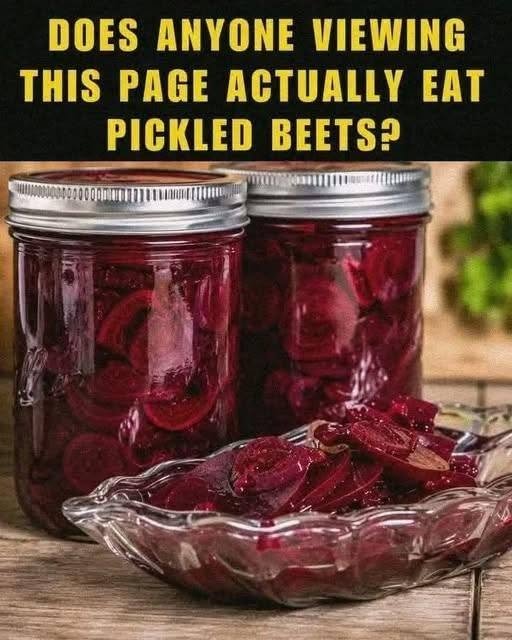
Does anyone else love homemade pickled beets? ❤️
There’s something special about opening a jar of homemade pickled beets. That beautiful deep-red color, the sweet-and-tangy aroma, and that familiar earthy flavor bring back memories of traditional home cooking and family meals.
Homemade pickled beets are one of those old-fashioned recipes that never go out of style. They’re colorful, flavorful, easy to enjoy, and a wonderful way to add a little extra goodness to your table.
Serve them alongside Sunday dinner, toss a few slices into a fresh salad, or enjoy them straight from the fridge. Sometimes, the simplest foods bring the greatest comfort.
Homemade Pickled Beets Recipe: A Healthy, Anti-Inflammatory Side Dish
Recipe Description
Homemade Pickled Beets are a delicious, tangy, slightly sweet side dish made with fresh beets, vinegar, and simple pantry ingredients. Their vibrant ruby-red color, earthy flavor, and crisp-tender texture make them a wonderful addition to everyday meals, salads, sandwiches, and healthy meal-prep bowls.
Beets are naturally rich in betalains, plant compounds with antioxidant properties, as well as dietary fiber, folate, and potassium. Including beets in a balanced diet may support overall wellness and help promote a healthy inflammatory response. This easy homemade pickled beets recipe offers a flavorful way to enjoy this nutritious root vegetable without relying on store-bought varieties that may contain excess added sugar or sodium.
Whether you’re looking for an anti-inflammatory diet recipe, a healthy vegetable side dish, or a traditional sweet-and-sour pickle, these homemade pickled beets are simple to prepare and easy to customize.
Recipe at a Glance
- Preparation Time: 15 minutes
- Cooking Time: 35–50 minutes
- Cooling Time: 30 minutes
- Total Time: Approximately 1 hour 30 minutes
- Servings: 8
- Cuisine: Traditional American
- Course: Side Dish, Salad Topping, Healthy Snack
- Diet: Vegetarian, Vegan, Gluten-Free
- Difficulty: Easy
Ingredients
For the Beets
- 2 pounds fresh red beets
- 2 cups apple cider vinegar or white vinegar with 5% acidity
- 1 cup water
- 1/3 cup granulated sugar, or less to taste
- 1 teaspoon salt
- 1 teaspoon whole mustard seeds (optional)
- 1/2 teaspoon whole black peppercorns
- 1/2 teaspoon ground cinnamon (optional)
- 2–3 whole cloves (optional)
- 1 small cinnamon stick (optional)
Optional Anti-Inflammatory Flavor Additions
- 1 teaspoon freshly grated ginger
- 1 small garlic clove, peeled
- 1/4 teaspoon ground turmeric
- 1 small sprig of fresh thyme
These additions create a more complex flavor profile. Ginger and turmeric contain compounds studied for their potential anti-inflammatory properties, but the amounts used in this recipe should not be considered a treatment for inflammation.
Instructions: How to Make Homemade Pickled Beets
Step 1: Wash and Prepare the Beets
Wash the fresh beets thoroughly under running water to remove dirt. Trim the leaves and stems, leaving about 1 inch of the stems attached to help prevent excessive color loss during cooking.
Do not peel the beets before boiling or steaming.
Step 2: Cook the Beets
Place the beets in a large pot and cover them with water. Bring the water to a boil, then reduce the heat and simmer for 30–50 minutes, depending on their size.
The beets are ready when a fork or knife slides easily into the center.
Alternatively, roast the beets at 400°F (200°C) for approximately 45–60 minutes, wrapped in foil, until tender. Roasting produces a deeper, sweeter flavor.
Step 3: Cool and Peel
Drain the cooked beets and allow them to cool until comfortable to handle.
Rub the skins off using your fingers or a paper towel. Trim the remaining stems and roots, then slice the beets into rounds or cut them into bite-sized wedges.
Step 4: Prepare the Pickling Brine
In a medium saucepan, combine the vinegar, water, sugar, salt, mustard seeds, peppercorns, cinnamon, and cloves, if using.
Bring the mixture to a gentle boil, stirring until the sugar and salt dissolve. Simmer for 2–3 minutes.
For additional flavor, add the optional ginger, garlic, turmeric, or thyme.
Step 5: Fill the Jars
Wash clean glass jars and prepare them for refrigerator storage.
Place the sliced beets into the jars, leaving a little room at the top. Carefully pour the warm pickling liquid over the beets until they are completely covered.
Remove obvious air pockets with a clean utensil and allow the mixture to cool briefly.
Step 6: Refrigerate and Marinate
Close the jars with clean lids and refrigerate promptly.
Allow the beets to marinate for at least 24 hours before serving. For a stronger sweet-and-sour flavor, wait 48–72 hours.
Important food safety note: This is a refrigerator pickle recipe, not a shelf-stable canning recipe. Keep the jars refrigerated at 40°F (4°C) or below. Do not store these homemade pickled beets at room temperature. For long-term pantry storage, use a tested boiling-water canning recipe specifically designed for pickled beets.
Serving Suggestions
Homemade pickled beets are versatile and can complement many healthy meals.
1. Add Them to Fresh Salads
Combine pickled beets with leafy greens, cucumber, walnuts, and crumbled feta cheese. A simple olive oil dressing creates a refreshing salad rich in contrasting textures and flavors.
2. Serve as a Healthy Side Dish
Serve a small portion alongside grilled chicken, roasted fish, lentils, beans, or baked tofu. Their tangy flavor balances savory main dishes.
3. Add Them to Grain Bowls
Combine sliced pickled beets with quinoa, brown rice, chickpeas, avocado, and leafy greens for a colorful, fiber-rich meal.
4. Use Them in Sandwiches and Wraps
Add pickled beets to vegetable wraps, grilled chicken sandwiches, or hummus sandwiches for extra flavor and color.
5. Enjoy Them as a Light Snack
Serve chilled beet slices with hummus, whole-grain crackers, or a handful of unsalted nuts.
6. Pair Them with Cheese
Pickled beets pair particularly well with goat cheese, feta, and mild cream cheese. Use moderate portions of cheese if you’re monitoring sodium or saturated fat intake.
Anti-Inflammatory Benefits of Beets
Beets can be part of a balanced anti-inflammatory eating pattern because they provide several beneficial nutrients and plant compounds.
Antioxidant Support
Red beets contain betalains, pigments responsible for their deep color. These compounds have antioxidant activity and are being studied for their potential role in supporting cellular health.
Dietary Fiber for Gut Health
Beets provide dietary fiber, which supports regular bowel movements and helps nourish beneficial gut bacteria. A healthy gut microbiome is associated with several aspects of overall health.
Folate and Potassium
Beets contain folate, which supports normal cell function, and potassium, which helps maintain normal muscle and nerve function and supports healthy blood pressure.
Support for a Balanced Diet
A diet rich in vegetables, fruits, legumes, whole grains, nuts, seeds, and healthy fats is generally associated with better health outcomes. Pickled beets can contribute to this pattern, although no single food can eliminate inflammation or treat a medical condition.
Are Pickled Beets as Healthy as Fresh Beets?
Pickled beets retain many of the nutrients found in cooked beets, although nutrient levels vary with preparation and storage. Vinegar adds acidity and flavor but does not automatically make the recipe healthier.
For a more health-conscious version, reduce the added sugar and use a moderate amount of salt. Remember that vinegar-based pickling does not eliminate the need for proper refrigeration.
Recipe Variations
1. Sugar-Free Pickled Beets
Omit the sugar for a sharper, tangier flavor. You can add a little more water if you prefer a less intense brine, while maintaining the recipe’s stated vinegar proportion for safe refrigerator storage.
2. Naturally Sweet Pickled Beets
Use a smaller amount of sugar and choose naturally sweet, fresh beets. Their earthy sweetness provides plenty of flavor without making the brine overly sugary.
3. Apple Cider Vinegar Pickled Beets
Use apple cider vinegar with 5% acidity for a fruity, rounded flavor. This is a popular choice for homemade refrigerator pickles.
4. Garlic and Herb Pickled Beets
Add garlic, black peppercorns, and fresh thyme for a savory variation that works well with roasted vegetables and grain bowls.
5. Spicy Pickled Beets
Add a small pinch of red pepper flakes or one thin slice of fresh chili to the brine for a gentle heat.
6. Ginger and Turmeric Pickled Beets
Add grated ginger and a small amount of turmeric for an earthy, aromatic variation. These ingredients complement beets nicely, although their inclusion does not establish a specific anti-inflammatory effect.
7. Onion Pickled Beets
Add a few thin slices of red onion to the jars for additional sweetness, color, and texture. Keep the finished jars refrigerated.
8. Low-Sodium Pickled Beets
Reduce the salt for flavor preference, but remember that these are refrigerator pickles rather than preserved shelf-stable vegetables. People who need a medically prescribed sodium restriction should consider their overall diet and portion sizes.
Storage Instructions
- Refrigeration: Store in a clean, covered glass jar at 40°F (4°C) or below.
- Flavor development: For the best flavor, wait 24–72 hours before eating.
- Best quality: Aim to consume within 2–3 weeks as a conservative home-storage guideline.
- Clean serving: Always use a clean utensil to remove beets from the jar.
- Spoilage: Discard the contents if you notice mold, unusual bubbling, a swollen lid, or an unpleasant or abnormal smell.
- Freezing: Freezing is possible, but it may change the texture of the beets.
These storage recommendations apply to refrigerator pickles only. They are not a substitute for a tested canning process.
Nutrition Information
The following values are estimates for one serving, assuming the recipe makes eight servings. Actual nutrition depends on beet size, sugar use, and how much pickling liquid is consumed.
Estimated nutrition per serving:
- Calories: 75–95
- Total carbohydrates: 17–21 g
- Dietary fiber: 3–4 g
- Total sugars: 12–16 g
- Protein: 2–3 g
- Total fat: 0–1 g
- Sodium: 250–400 mg
- Potassium: 300–450 mg
- Folate: A useful contribution toward daily requirements
These figures are approximate and should not be treated as laboratory-tested nutritional data. Sodium and sugar values can vary substantially, especially depending on whether the brine is consumed.
For a lower-sugar version, reduce or omit the added sugar. For a lower-sodium version, adjust the salt to your dietary needs and keep the recipe refrigerated.
Frequently Asked Questions
1. Are homemade pickled beets anti-inflammatory?
Beets contain betalains and other nutrients with antioxidant potential. They can fit into an anti-inflammatory dietary pattern, but there is insufficient evidence to conclude that eating pickled beets alone treats chronic inflammation.
2. Can I eat pickled beets every day?
Many people can enjoy moderate portions as part of a balanced diet. However, check the sodium and added sugar content if you have high blood pressure, kidney disease, diabetes, or another condition requiring dietary restrictions. Ask your healthcare professional for personalized guidance when needed.
3. Do pickled beets need to be cooked first?
For this recipe, yes. Cook the beets until tender before peeling and slicing them. This creates a softer texture and a more traditional pickled beet flavor.
4. How long do homemade pickled beets need to sit before eating?
They can be eaten after approximately 24 hours in the refrigerator, but their flavor generally improves after 48–72 hours.
5. Can I make pickled beets without sugar?
Yes. Sugar mainly balances the acidity and adds sweetness; it is not essential for flavor preference. Omitting it produces a sharper pickle.
6. Is apple cider vinegar good for pickled beets?
Yes. Apple cider vinegar with 5% acidity works well and contributes a mild fruity taste. Use vinegar with a clearly stated acidity level rather than homemade vinegar of uncertain strength.
7. Are pickled beets good for gut health?
Beets provide fiber, which supports digestive health. However, refrigerator pickled beets should not automatically be considered probiotic. Vinegar pickling does not necessarily produce the live beneficial cultures associated with properly fermented foods.
8. Can I use canned beets instead of fresh beets?
Yes, plain canned beets can be used as a shortcut. Drain them first, then prepare the pickling brine and refrigerate. Choose unsalted or lower-sodium beets when possible.
9. Can homemade pickled beets be canned for pantry storage?
Do not use this refrigerator recipe for pantry canning. Shelf-stable preservation requires a tested recipe with the correct acidity, jar preparation, processing time, and other safety instructions. Follow guidance from a recognized food-preservation authority.
10. Do pickled beets help lower blood pressure?
Beets naturally contain dietary nitrate, which the body can convert into nitric oxide. Dietary nitrate has been studied for its potential effects on blood pressure, but results depend on the product, quantity, and individual. Pickled beets should not replace prescribed medication or medical advice.
11. Are pickled beets suitable for weight management?
They can fit into a weight-conscious eating plan because beets provide fiber and relatively few calories per serving. Added sugar and portion size affect the overall nutritional profile.
12. Can I use golden beets?
Absolutely. Golden beets work well with the same basic method and offer a milder, less intensely earthy flavor. Their color may be less dramatic than that of red beets.
Helpful Tips for the Best Pickled Beets
- Choose firm, fresh beets that feel heavy for their size.
- Cook beets until fork-tender without allowing them to become mushy.
- Wear gloves or use a cutting board that can tolerate beet stains.
- Slice the beets evenly to help them absorb the brine consistently.
- Allow at least one day of refrigeration for the flavor to develop.
- Use clean jars and utensils.
- Keep the beets fully covered with the brine.
- Avoid adding extra water or changing the vinegar proportion when adapting a tested preservation recipe.
- Refrigerate promptly and never assume that a tightly closed jar is shelf-stable.
Related Recipes to Try
If you enjoy homemade pickled beets, consider adding these recipes to your healthy meal rotation:
- Quick Pickled Red Onions
- Homemade Refrigerator Dill Pickles
- Pickled Carrots with Garlic
- Anti-Inflammatory Roasted Beet Salad
- Beet and Quinoa Salad with Lemon Dressing
- Healthy Mediterranean Chickpea Salad
- Roasted Beets with Olive Oil and Fresh Herbs
- Homemade Fermented Vegetables
- Low-Sugar Apple Cider Vinegar Dressing
- Healthy Vegetable Meal-Prep Bowls
These dishes offer different ways to incorporate vegetables, fiber, herbs, and other nutritious ingredients into a balanced diet.
Final Thoughts
Homemade Pickled Beets are an easy, colorful, and budget-friendly way to enjoy a nutritious root vegetable. Their tangy flavor, simple ingredients, and versatility make them a useful addition to salads, sandwiches, grain bowls, and everyday side dishes.