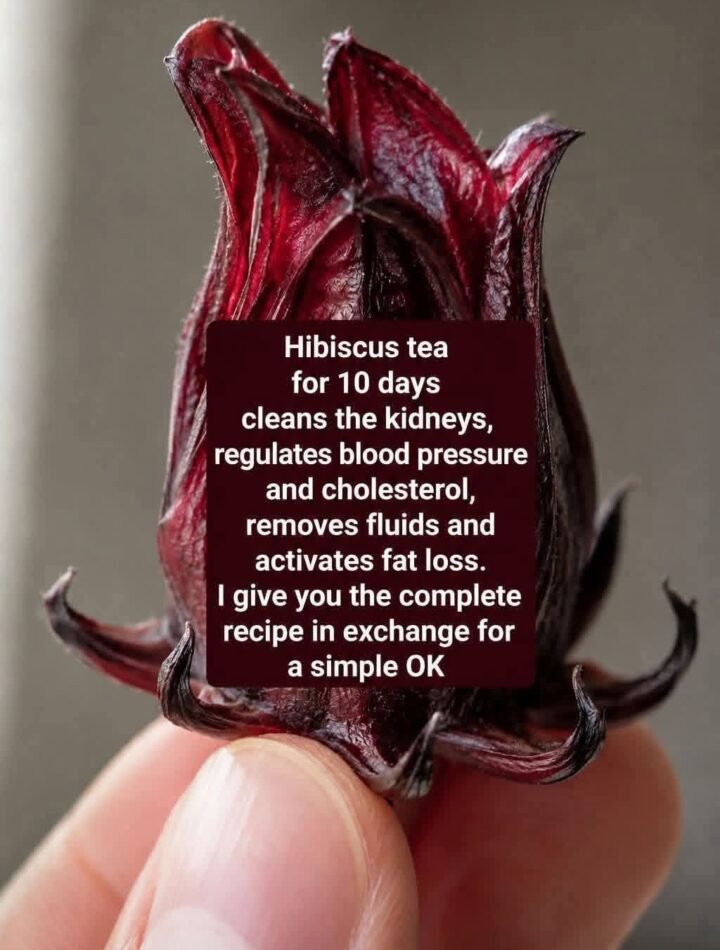
A warm cup of herbal tea after a demanding day has a certain allure. Sometimes all you need is some peaceful time, your favourite mug, and a delightfully scented drink that fills your kitchen. Hibiscus tea is one of those small joys that, in my opinion, may transform a mundane situation into something reassuring.
Dried hibiscus flowers are used to make the vivid crimson herbal beverage known as hibiscus tea, or karkade. It tastes great hot or cold and has a nice tart flavour that is similar to cranberries. You may simply enjoy it.
Hibiscus Tea Recipe: Anti-Inflammatory Herbal Drink for Wellness
Description
Hibiscus tea, also known as karkade, is a refreshing herbal infusion made from the dried calyces of the hibiscus plant (Hibiscus sabdariffa). It has a deep ruby-red color, a naturally tangy, cranberry-like flavor, and can be enjoyed hot or cold.
This caffeine-free herbal tea contains antioxidants, including anthocyanins and other polyphenols. It may support cardiovascular wellness and healthy blood pressure, while its antioxidant content makes it a popular choice for people interested in an anti-inflammatory diet.
Although hibiscus tea is often promoted as a natural detox drink for kidney cleansing, cholesterol reduction, fluid removal, and fat loss, these claims are not all supported by strong clinical evidence. Hibiscus tea does not replace kidney treatment, prescribed medication, or a balanced weight-management plan.
Recipe Details
- Preparation time: 5 minutes
- Steeping time: 5–10 minutes
- Total time: 10–15 minutes
- Servings: 2 cups
- Cuisine: Herbal beverage
- Category: Anti-inflammatory drink, caffeine-free tea
- Main ingredient: Dried hibiscus flowers
- Dietary suitability: Vegan, vegetarian, gluten-free, dairy-free, and naturally caffeine-free
Ingredients
- 2 tablespoons dried hibiscus calyces (food-grade)
- 2 cups (480 ml) filtered water
- 1 teaspoon honey or another sweetener (optional)
- 1–2 teaspoons fresh lemon juice (optional)
- 1 small cinnamon stick (optional)
- 2–3 thin slices of fresh ginger (optional)
- Fresh mint leaves for garnish (optional)
Instructions
Step 1: Prepare the Water
Bring 2 cups of filtered water to a boil in a small saucepan or kettle.
Step 2: Add the Hibiscus
Place the dried hibiscus calyces in a heatproof teapot or cup. Pour the hot water over the flowers.
Step 3: Steep the Tea
Cover and allow the tea to steep for 5–10 minutes. A longer steeping time creates a deeper red color and a stronger, more tart flavor.
Step 4: Strain
Strain the tea into cups to remove the dried hibiscus pieces.
Step 5: Add Flavor
Add lemon juice, honey, cinnamon, or ginger according to your preference. Stir well.
Step 6: Serve
Enjoy the tea warm, or let it cool and refrigerate it for a refreshing iced hibiscus drink.
Potential Health Benefits of Hibiscus Tea
1. Antioxidant Support
Hibiscus contains anthocyanins and other polyphenols that help protect cells from oxidative stress. These compounds are one reason hibiscus tea is often included in antioxidant-rich diets.
2. Cardiovascular Wellness
Research suggests hibiscus tea may modestly lower blood pressure in some adults. However, it is not a substitute for blood pressure medication or medical care.
3. Anti-Inflammatory Potential
Plant polyphenols found in hibiscus have shown antioxidant and inflammation-related effects in laboratory and preliminary studies. More human research is needed to establish how much hibiscus tea reduces inflammation in the body.
4. Cholesterol Management
Some studies suggest hibiscus preparations may influence blood lipid levels, but the results are mixed. Hibiscus tea should not replace cholesterol-lowering medication or a heart-healthy diet.
5. Weight Management
Unsweetened hibiscus tea is low in calories and can be a useful alternative to sugary drinks. However, there is insufficient evidence that hibiscus tea directly burns body fat or causes substantial weight loss.
6. Hydration
Hibiscus tea contributes to daily fluid intake. However, it should not be considered a treatment for fluid retention, swelling, or kidney disease.
7. Kidney Health
There is not enough reliable human evidence to claim that hibiscus tea cleanses the kidneys or removes toxins. People with kidney disease should ask their healthcare professional before using herbal products regularly.
Serving Suggestions
- Morning beverage: Enjoy a cup alongside breakfast.
- Afternoon refreshment: Serve chilled with lemon and mint.
- Healthy alternative: Replace sweetened soft drinks with unsweetened hibiscus tea.
- After meals: Enjoy a small cup as a tart, refreshing herbal beverage.
- Summer drink: Serve over ice with orange slices and fresh mint.
- Evening beverage: Enjoy it warm as a caffeine-free alternative to conventional tea.
Recipe Variations
1. Hibiscus Ginger Tea
Add 2–3 slices of fresh ginger while steeping the hibiscus. Ginger provides a warming flavor and contains bioactive compounds that have been studied for their potential effects on inflammation.
2. Hibiscus Lemon Tea
Add fresh lemon juice after steeping. This creates a bright, citrusy flavor without requiring added sugar.
3. Hibiscus Cinnamon Tea
Steep a small cinnamon stick with the hibiscus. This creates a gently spiced drink that pairs well with cool weather.
4. Iced Hibiscus Tea
Prepare the recipe as directed, allow it to cool, and refrigerate. Serve over ice with fresh mint and lemon slices.
5. Hibiscus Mint Tea
Add several fresh mint leaves after steeping. Allow the tea to cool slightly before serving for a refreshing herbal drink.
6. Unsweetened Hibiscus Detox-Style Tea
Prepare the tea with hibiscus and water only. Despite the popular term “detox tea,” this beverage does not cleanse the kidneys or replace the body’s natural waste-removal systems.
Nutrition Information
Approximate nutrition per serving, assuming the tea is strained and consumed without honey or other sweeteners:
- Calories: 0–5 kcal
- Carbohydrates: 0–1 g
- Protein: 0 g
- Fat: 0 g
- Sugar: 0 g when unsweetened
- Caffeine: 0 mg
Actual nutritional values depend on the hibiscus product, steeping method, and ingredients added. Honey or other sweeteners increase the calorie and carbohydrate content.
Important Safety Information
Hibiscus tea is generally well tolerated by many healthy adults when consumed in moderate amounts, but it is not suitable for everyone.
- Low blood pressure: Hibiscus may lower blood pressure, potentially causing dizziness in susceptible individuals.
- Blood pressure medication: Consult your healthcare professional before drinking it regularly if you take antihypertensive medication.
- Diabetes medication: Ask a healthcare professional about potential effects on blood glucose if you use diabetes medication.
- Pregnancy and breastfeeding: Safety information is limited, so avoid medicinal amounts unless your healthcare professional advises otherwise.
- Kidney or liver disease: Seek medical advice before regularly consuming concentrated herbal preparations.
- Medication interactions: Discuss regular use with a pharmacist or clinician if you take prescription medications.
Do not use hibiscus tea as a replacement for prescribed medication or as a treatment for high blood pressure, high cholesterol, kidney disease, or persistent swelling.
Frequently Asked Questions
1. Can I drink hibiscus tea every day?
Many healthy adults can enjoy moderate amounts, such as one or two cups daily. Individual tolerance, medications, and health conditions matter, and research has not established one ideal daily dose for everyone.
2. Does hibiscus tea reduce inflammation?
Hibiscus contains antioxidant compounds with potential inflammation-related effects. However, evidence that drinking the tea meaningfully reduces inflammation in humans remains limited.
3. Does hibiscus tea lower blood pressure?
Clinical studies suggest it may modestly lower blood pressure in some people. Anyone with hypertension should continue prescribed treatment and monitor blood pressure as advised.
4. Does hibiscus tea cleanse the kidneys?
No reliable evidence establishes that hibiscus tea cleanses or detoxifies the kidneys. Healthy kidneys naturally filter waste from the blood.
5. Can hibiscus tea help with weight loss?
Unsweetened hibiscus tea can support a lower-calorie eating pattern when it replaces sugary drinks. It is not a proven fat-burning treatment.
6. Does hibiscus tea lower cholesterol?
Some studies report possible improvements in cholesterol-related measurements, but findings are inconsistent. It should not replace medical treatment for high cholesterol.
7. What is the best time to drink hibiscus tea?
You can drink it in the morning or afternoon, or whenever you prefer. If you have low blood pressure or take medication that lowers blood pressure, seek personalized advice.
8. Can I drink hibiscus tea before bed?
It is naturally caffeine-free, so it does not provide caffeine-related stimulation. However, drinking large amounts immediately before bedtime may increase nighttime urination.
9. Can I drink hibiscus tea without sugar?
Yes. Unsweetened hibiscus tea is naturally tart and contains very few calories.
10. How long can I store hibiscus tea?
Store prepared tea in a clean, covered container in the refrigerator and consume it within 3–4 days. Discard it if its smell, appearance, or taste changes unexpectedly.
Final Thoughts
Hibiscus tea is an easy-to-prepare, flavorful herbal beverage that fits well into a balanced lifestyle. Its antioxidant content and potential blood-pressure benefits make it an interesting option for people exploring herbal wellness and anti-inflammatory nutrition.