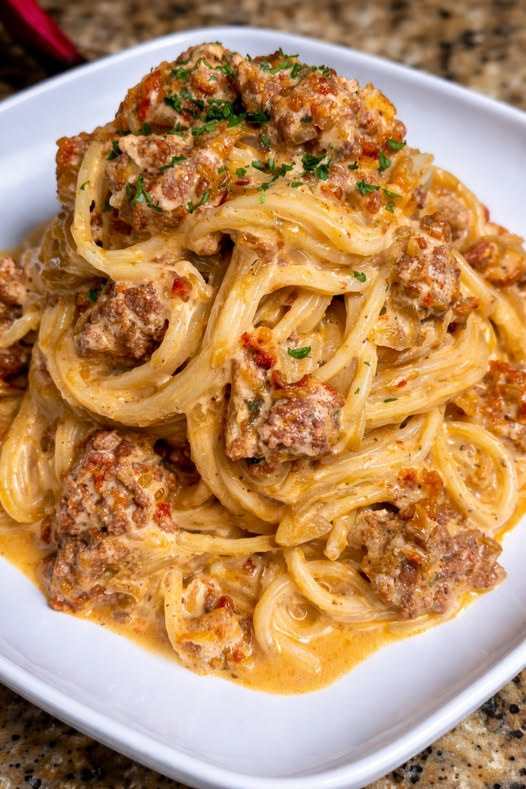
There’s just something about a big bowl of creamy pasta on the dinner table that makes everyone happy. Last weekend, I was craving something comforting and delicious, so I decided to make this Creamy Garlic Parmesan Sausage Pasta for my family. The smell of garlic, sizzling sausage, and Parmesan filling the kitchen was enough to get everyone asking when dinner would be ready!
I’ve always loved recipes that taste like something from a restaurant but are easy enough to make at home. This pasta is exactly that. It has tender noodles coated in a rich, creamy garlic Parmesan sauce, with juicy pieces of sausage in every bite. It’s hearty, flavorful, and the kind of meal that makes you want to go back for seconds.
What I love most is how simple it is to prepare. Whether I’m cooking for my family on a relaxing weekend, having friends over for dinner, or just needing a little comfort after a long day, this recipe never disappoints. Everyone enjoyed it, and honestly, seeing the empty plates at the end of dinner was all the proof I needed that it was a keeper!
Creamy Garlic Parmesan Sausage Pasta – A Comforting Anti-Inflammatory-Inspired Dinner
Recipe Description
Creamy Garlic Parmesan Sausage Pasta is a rich, savory, and satisfying dinner made with tender pasta, juicy sausage, freshly minced garlic, Parmesan cheese, and a silky cream sauce. Fresh parsley, black pepper, and Italian herbs bring extra flavor to every bite.
This recipe is inspired by the creamy sausage pasta shown in the original photo, with a few healthier ingredient swaps to make it more balanced and supportive of an anti-inflammatory eating pattern. By choosing leaner protein, extra-virgin olive oil, whole-grain pasta, fresh garlic, and antioxidant-rich herbs, you can enjoy a delicious comfort-food meal while incorporating more nutrient-dense ingredients into your diet.
This easy homemade pasta recipe is ideal for busy weeknights, family dinners, meal preparation, or anyone searching for healthy comfort food recipes that don’t compromise on flavor.
Recipe at a Glance
-
Prep time: 15 minutes
-
Cook time: 25 minutes
-
Total time: 40 minutes
-
Servings: 4
-
Cuisine: Italian-inspired
-
Course: Main course, lunch, or dinner
-
Difficulty: Easy
-
Dietary style: Adaptable to a Mediterranean-inspired, anti-inflammatory eating pattern
Ingredients
For the Pasta
-
12 ounces (340 g) whole-wheat fettuccine or linguine
-
12 ounces (340 g) lean chicken or turkey sausage, casings removed if necessary
-
1 tablespoon extra-virgin olive oil
-
5 cloves garlic, finely minced
-
1 small yellow onion, finely chopped
-
1 cup cherry tomatoes, halved, or 1 cup no-salt-added diced tomatoes
-
1 teaspoon Italian seasoning
-
1/2 teaspoon smoked paprika
-
1/4 teaspoon freshly ground black pepper
-
1/4 teaspoon red pepper flakes, optional
-
2 cups fresh spinach
-
1 tablespoon chopped fresh parsley
For the Creamy Parmesan Sauce
-
3/4 cup low-sodium chicken broth or vegetable broth
-
3/4 cup plain Greek yogurt, preferably unsweetened
-
1/2 cup freshly grated Parmesan cheese
-
1/4 cup milk, as needed to adjust consistency
-
1 teaspoon Dijon mustard, optional
-
1/4 teaspoon ground turmeric, optional
-
Salt to taste
Note: For a richer, restaurant-style sauce, replace the Greek yogurt and milk with 3/4 to 1 cup of light cream. Greek yogurt provides additional protein, while a small amount of cream creates a more traditional creamy texture.
Instructions
Step 1: Cook the Pasta
Bring a large pot of water to a boil. Add the whole-wheat pasta and cook according to the package instructions until al dente.
Before draining, reserve approximately 1 cup of pasta water. Drain the pasta and set it aside.
Whole-wheat pasta provides more fiber than conventional refined pasta, helping make this creamy pasta recipe more filling.
Step 2: Brown the Sausage
Heat the extra-virgin olive oil in a large skillet over medium heat.
Add the chicken or turkey sausage and break it into bite-sized pieces using a wooden spoon. Cook for approximately 6–8 minutes, or until browned and thoroughly cooked.
Transfer the cooked sausage to a plate if needed, leaving a small amount of oil in the skillet.
For food safety, cook ground poultry sausage to an internal temperature of 165°F (74°C).
Step 3: Sauté the Garlic and Onion
Add the chopped onion to the skillet and cook for 3–4 minutes until softened.
Stir in the minced garlic, Italian seasoning, smoked paprika, black pepper, and optional red pepper flakes. Cook for another 30–60 seconds, stirring frequently to prevent the garlic from burning.
Add the cherry tomatoes and cook for 3–4 minutes until they begin to soften and release their juices.
Garlic, tomatoes, herbs, and extra-virgin olive oil are flavorful ingredients commonly included in Mediterranean-style eating patterns.
Step 4: Prepare the Creamy Parmesan Sauce
Pour the chicken or vegetable broth into the skillet. Stir well, scraping up the flavorful browned bits from the bottom of the pan.
Reduce the heat to low.
In a separate bowl, whisk together the Greek yogurt, grated Parmesan cheese, optional Dijon mustard, and turmeric until smooth.
Allow the skillet to cool slightly before adding the yogurt mixture. Stir it into the sauce over low heat, adding a little milk or reserved pasta water until the sauce reaches your preferred consistency.
Avoid boiling the sauce after adding the yogurt, as high heat can cause it to separate.
Step 5: Add Spinach and Sausage
Return the cooked sausage to the skillet.
Add the fresh spinach and stir for 1–2 minutes until wilted. The spinach adds color, fiber, folate, and other beneficial nutrients.
Taste the sauce and adjust the seasoning. Add a small pinch of salt only if necessary, especially if your Parmesan and broth already contain sodium.
Step 6: Combine With the Pasta
Add the cooked pasta to the skillet and toss until every strand is coated in the creamy garlic Parmesan sauce.
If the sauce is too thick, add reserved pasta water one tablespoon at a time. If it is too thin, let it warm gently for another minute or two while stirring.
Finish with chopped fresh parsley and a light sprinkle of Parmesan cheese.
Serve immediately while warm and creamy.
Serving Suggestions
Make your creamy sausage pasta dinner more balanced with these easy serving ideas.
-
Roasted vegetables: Serve with broccoli, cauliflower, carrots, or Brussels sprouts tossed with olive oil and black pepper.
-
Fresh green salad: Combine leafy greens, cucumber, tomatoes, and a lemon-olive oil dressing.
-
Garlic-free herb bread: Serve with whole-grain bread seasoned with olive oil, oregano, and parsley.
-
Extra protein: Add grilled chicken breast or white beans if you want a more protein-rich meal.
-
Mediterranean-style side dish: Serve with roasted zucchini, bell peppers, and lemon juice.
-
Fresh garnish: Add chopped parsley, basil, cracked black pepper, and a little fresh lemon zest.
For a more anti-inflammatory-inspired meal, emphasize vegetables, whole grains, herbs, and unsaturated fats while keeping highly processed meats and excess sodium to a minimum.
Anti-Inflammatory Benefits and Healthy Ingredient Choices
No single recipe can treat or prevent inflammation. However, this dish can be adapted to include ingredients commonly associated with Mediterranean-style dietary patterns, which have been studied for their potential benefits for cardiometabolic health and inflammatory markers.
Extra-virgin olive oil: Provides monounsaturated fat and antioxidant compounds called polyphenols.
Garlic: Contains sulfur-containing compounds and contributes robust flavor without needing excessive salt.
Tomatoes: Supply vitamin C and lycopene, a naturally occurring antioxidant.
Spinach: Provides folate, vitamin K, carotenoids, and other micronutrients.
Turmeric: Contains curcumin, a compound studied for its biological effects. The small culinary quantity used here should not be considered a medical treatment.
Whole-wheat pasta: Provides more fiber than refined pasta, supporting digestive health and helping improve meal satiety.
Lean chicken or turkey sausage: Can reduce saturated fat compared with some traditional pork sausages, depending on the product selected.
Greek yogurt: Adds protein and calcium while creating a creamy texture with less saturated fat than a sauce made entirely from heavy cream.
The overall benefit depends on the ingredients, portion sizes, and your eating pattern over time. This recipe is best described as an anti-inflammatory-inspired meal rather than a proven anti-inflammatory treatment.
Recipe Variations
1. Healthy Creamy Garlic Parmesan Chicken Pasta
Replace the sausage with 12–16 ounces of diced, skinless chicken breast. Season with Italian herbs, garlic, and black pepper, then cook thoroughly before preparing the sauce.
This variation is ideal for anyone seeking a high-protein dinner with a milder flavor.
2. Spicy Sausage Pasta
Add 1/2 teaspoon of red pepper flakes and a pinch of cayenne pepper. Use unsweetened milk or broth to balance the heat.
3. Dairy-Free Creamy Pasta
Replace Greek yogurt and Parmesan with an unsweetened, unflavored dairy-free yogurt and a suitable dairy-free Parmesan alternative. Choose products without added sugar and check their sodium content.
The flavor and consistency may differ from the original recipe.
4. Gluten-Free Sausage Pasta
Use certified gluten-free pasta made from brown rice, quinoa, or legumes. Check that the sausage, broth, and seasonings are also gluten-free.
5. Low-Carbohydrate Creamy Sausage Skillet
Replace the pasta with spiralized zucchini or serve the creamy sausage sauce over roasted cauliflower.
For a lower-carbohydrate option, check the carbohydrate content of the sausage and dairy products as well.
6. Vegetarian Creamy Garlic Parmesan Pasta
Replace the sausage with cannellini beans, chickpeas, or sautéed mushrooms. Use vegetable broth and add extra spinach or roasted vegetables.
7. Extra-Vegetable Pasta
Add mushrooms, zucchini, broccoli florets, or chopped bell peppers. Sauté firmer vegetables before preparing the sauce.
This variation increases the vegetable content and creates a more colorful, fiber-rich meal.
8. Traditional Restaurant-Style Pasta
For a richer and more indulgent version, use pork or Italian sausage, heavy cream, freshly grated Parmesan, and regular fettuccine. Omit the Greek yogurt and turmeric.
This version closely matches the luxurious texture and appearance of the pictured dish, although it may contain more saturated fat and calories.
Storage and Meal Prep
Refrigeration: Store leftovers in an airtight container in the refrigerator for up to 3–4 days.
Freezing: Cream-based sauces can separate when frozen, especially those made with Greek yogurt. For the best texture, freeze the sausage sauce separately from the pasta when practical and add fresh dairy when reheating.
Reheating: Warm gently in a skillet over low heat, adding a splash of broth or milk to loosen the sauce. Stir frequently and heat until the leftovers reach 165°F (74°C).
Meal-prep tip: Cook the pasta slightly al dente and store the sauce separately. Combine them when reheating for a better texture.
Nutritional Information
Estimated nutrition per serving, assuming four servings and the ingredient quantities listed above.
|
Nutrient |
Approximate amount |
|---|---|
|
Calories |
520–620 kcal |
|
Protein |
30–38 g |
|
Carbohydrates |
55–70 g |
|
Dietary fiber |
7–10 g |
|
Total fat |
16–24 g |
|
Saturated fat |
4–8 g |
|
Sugar |
5–9 g |
|
Sodium |
500–850 mg |
|
Calcium |
180–280 mg |
These values are estimates, not laboratory measurements. Actual nutrition will vary with the pasta brand, sausage, Parmesan, yogurt, broth, and portion size. Using heavy cream, pork sausage, extra cheese, or additional oil can substantially increase the calories and saturated fat.
For more precise information, calculate the nutrition using the specific ingredient labels and the total number of portions prepared.
Frequently Asked Questions
1. Is Creamy Garlic Parmesan Sausage Pasta anti-inflammatory?
It can be adapted to fit an anti-inflammatory-inspired eating pattern by using olive oil, garlic, tomatoes, spinach, whole grains, and lean protein. Traditional versions containing large quantities of cream, cheese, and processed sausage may be higher in saturated fat and sodium. No individual meal can guarantee a reduction in inflammation.
2. What is the healthiest sausage for creamy pasta?
Lean chicken or turkey sausage can be a useful choice. Compare nutrition labels for saturated fat and sodium, and choose minimally processed options when available. Fresh, unprocessed chicken or turkey is another alternative.
3. Can I make this pasta without heavy cream?
Yes. Plain Greek yogurt, a small amount of milk, Parmesan, and broth can create a creamy sauce without relying entirely on heavy cream. Add the yogurt over low heat to reduce the chance of curdling.
4. How do I keep Parmesan sauce smooth?
Grate Parmesan finely, use low heat, and add the cheese gradually. Avoid boiling the sauce after adding dairy. A small amount of reserved pasta water can help the sauce coat the pasta evenly.
5. Can I make this recipe ahead of time?
Yes. Prepare the sausage sauce and pasta separately, refrigerate them promptly, and combine them when reheating. This helps prevent the pasta from absorbing too much sauce.
6. Is this recipe good for weight management?
It can fit into a weight-management plan when portions are appropriate for your energy needs. Choose lean sausage, measure the Parmesan and olive oil, include vegetables, and serve a balanced portion rather than relying on a large serving of pasta alone.
7. Can I use regular white pasta?
Absolutely. Regular fettuccine or linguine works well. Whole-wheat pasta simply offers more fiber in most cases. You can also use legume-based pasta for a different fiber and protein profile.
8. What can I use instead of Parmesan cheese?
Pecorino Romano provides a stronger, saltier flavor, while a suitable dairy-free Parmesan alternative can work for dairy-free diets. Nutritional yeast offers a savory flavor but will produce a different sauce texture.
9. How can I reduce sodium in this recipe?
Use low-sodium broth, choose lower-sodium sausage, limit added salt, and measure the Parmesan. Garlic, lemon zest, black pepper, and fresh herbs help maintain flavor without relying on extra salt.
10. Can I add turmeric to the sauce?
Yes. A small amount of ground turmeric can add color and earthy flavor. However, culinary turmeric is not a substitute for medical care, and evidence does not establish that this recipe or its turmeric content will treat an inflammatory condition.
Related Recipe Ideas
If you enjoy this creamy garlic Parmesan sausage pasta, you may also like:
-
Healthy Creamy Garlic Chicken Pasta
-
Mediterranean Chicken and Spinach Pasta
-
Lemon Garlic Shrimp With Whole-Wheat Linguine
-
One-Pot Tomato and Spinach Pasta
-
High-Protein Creamy Mushroom Pasta
-
Garlic Parmesan Chicken and Broccoli
-
Healthy Tuscan Chicken With Spinach
-
Vegetarian Chickpea and Tomato Pasta
-
Creamy Greek Yogurt Alfredo Sauce
-
Roasted Vegetable Mediterranean Pasta
These dishes offer different ways to incorporate vegetables, lean proteins, whole grains, and healthy fats into satisfying everyday meals.
Final Thoughts
Creamy Garlic Parmesan Sausage Pasta combines the comfort of a rich, cheesy sauce with the savory flavor of sausage, aromatic garlic, and fresh herbs. With a few practical ingredient swaps, it can become a more balanced weeknight dinner that still feels indulgent.