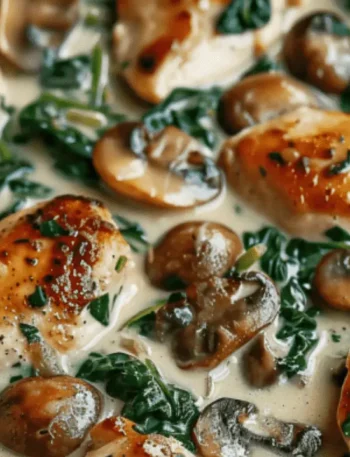

This Creamy Coconut Thai Red Curry Fish is undoubtedly one of those recipes that elevate a typical evening. It’s warm, creamy, flavourful, and surprisingly simple to make at home.
This type of Thai coconut curry was initially introduced to me by a friend who suggested that I try coconut milk with fresh ginger, lime, and red curry paste. I chose to give it a shot because I was interested in how all those flavours would work together. To be honest, it was even better than I had anticipated!
Creamy Coconut Thai Red Curry Fish with Rice – Healthy Anti-Inflammatory Dinner Recipe
Recipe Description
Enjoy a delicious, nourishing bowl of Creamy Coconut Thai Red Curry Fish with Steamed Rice. This comforting Thai-inspired seafood recipe combines tender, flaky white fish with a rich coconut milk curry sauce, aromatic red curry paste, fresh ginger, garlic, tomatoes, spinach, lime juice, and fresh herbs.
This healthy Thai coconut fish curry is packed with flavorful ingredients that fit beautifully into a balanced, anti-inflammatory-inspired diet. Ginger, garlic, leafy greens, and antioxidant-rich tomatoes add nutritional value, while coconut milk creates a naturally creamy texture without the need for heavy cream.
Served with fluffy jasmine rice, this easy Thai fish curry makes a satisfying weeknight dinner, healthy meal-prep option, or restaurant-style homemade meal.
If you’re looking for a healthy seafood recipe, gluten-free dinner idea, or easy coconut milk curry, this recipe is worth adding to your weekly menu.
Preparation Time and Cooking Details
- Prep Time: 15 minutes
- Cook Time: 25 minutes
- Total Time: 40 minutes
- Servings: 4
- Cuisine: Thai-inspired
- Course: Main Course, Dinner
- Cooking Method: Simmering
- Diet: Pescatarian, gluten-free (with suitable ingredients)
- Flavor: Creamy, savory, mildly spicy, citrusy
Ingredients
For the Fish Curry
- 600 g (about 1.3 lb) firm white fish fillets, such as cod, haddock, halibut, or sea bass
- 1 tablespoon olive oil or avocado oil
- 1 tablespoon Thai red curry paste
- 1 can (400 ml) full-fat coconut milk
- ½ cup vegetable or low-sodium fish broth
- 3 cloves garlic, minced
- 1 tablespoon freshly grated ginger
- ½ teaspoon ground turmeric (optional)
- 1 cup fresh spinach
- 1 cup cherry tomatoes, halved
- 1 tablespoon fresh lime juice
- 1 teaspoon lime zest
- 1 teaspoon fish sauce or gluten-free tamari
- ½ teaspoon black pepper
- Salt to taste
- Fresh cilantro or Thai basil for garnish
For Serving
- 2 cups uncooked jasmine rice
- 4 cups water, or as directed on the rice package
- Lime wedges
- Fresh cilantro
- Sliced red chili (optional)
Instructions
Step 1: Prepare the Rice
Rinse jasmine rice under cold water until the water becomes relatively clear.
Add rice and water to a saucepan. Bring to a boil, reduce the heat, cover, and simmer according to package instructions, usually around 12–15 minutes.
Turn off the heat and allow the rice to rest, covered, for 5 minutes. Fluff with a fork.
Step 2: Prepare the Aromatic Curry Base
Heat olive oil or avocado oil in a large skillet or saucepan over medium heat.
Add minced garlic and freshly grated ginger. Cook for approximately 30–60 seconds until fragrant.
Stir in the Thai red curry paste and optional turmeric. Cook for another minute to release the aromatic flavors.
Step 3: Make the Creamy Coconut Curry Sauce
Pour in the coconut milk and vegetable or fish broth.
Stir until the curry paste is completely incorporated into the coconut milk.
Add fish sauce or tamari, black pepper, and a little salt if needed.
Bring the sauce to a gentle simmer. Avoid boiling vigorously, as this can affect the creamy consistency.
Step 4: Add Tomatoes and Vegetables
Add the cherry tomatoes and simmer for approximately 3–4 minutes.
Stir in the fresh spinach and allow it to wilt into the creamy coconut sauce.
Add lime zest and half of the lime juice for a fresh, citrusy flavor.
Step 5: Cook the Fish
Pat the fish fillets dry and season lightly with black pepper and a little salt.
Gently place the fish into the simmering curry sauce.
Cover the pan and cook for approximately 6–10 minutes, depending on the thickness of the fillets.
The fish is ready when it becomes opaque and flakes easily with a fork. For food safety, cook fish to an internal temperature of 145°F (63°C).
Avoid stirring aggressively because the fish may break apart.
Step 6: Finish the Curry
Taste the sauce and adjust the seasoning.
Add the remaining lime juice for extra brightness.
Garnish with freshly chopped cilantro or Thai basil.
Step 7: Serve
Place a generous scoop of steamed jasmine rice into each serving bowl.
Carefully arrange a fish fillet beside or over the rice.
Pour the creamy coconut Thai red curry sauce around the fish, making sure to include plenty of tomatoes and spinach.
Finish with fresh herbs and lime wedges.
Serve immediately while warm.
Why This Recipe Is Anti-Inflammatory-Inspired
This creamy Thai coconut fish curry includes several ingredients commonly associated with healthy dietary patterns.
1. Fatty Fish and Lean Seafood
White fish provides high-quality protein and important nutrients, including vitamin B12 and selenium. Choosing oily fish such as salmon can also increase omega-3 fatty acid intake.
2. Fresh Ginger
Ginger contains naturally occurring compounds called gingerols, which have been studied for their antioxidant and anti-inflammatory properties.
3. Garlic
Garlic contains sulfur-containing compounds and antioxidants that contribute to its nutritional value.
4. Turmeric
Turmeric contains curcumin, a plant compound studied for its potential anti-inflammatory effects. Its absorption may improve when consumed with dietary fat, although adding turmeric does not make a meal a medical treatment.
5. Spinach
Spinach provides vitamin K, folate, vitamin C, and beneficial plant compounds.
6. Tomatoes
Tomatoes contain lycopene, an antioxidant associated with protecting cells against oxidative stress.
7. Lime Juice
Fresh lime provides vitamin C and adds refreshing citrus flavor without requiring extra salt.
8. Coconut Milk
Coconut milk creates a creamy consistency and provides dietary fat. However, it is relatively high in saturated fat, so moderate portions are a sensible choice.
A diet rich in vegetables, fruits, whole foods, and healthy fats is generally a better-supported approach to long-term health than relying on individual anti-inflammatory ingredients.
Serving Suggestions
Make your Thai coconut fish curry a complete and satisfying meal with these serving ideas:
- Steamed Jasmine Rice: A classic pairing that absorbs the delicious coconut curry sauce.
- Brown Rice: A higher-fiber alternative to white rice.
- Quinoa: Adds plant-based protein and fiber.
- Cauliflower Rice: A lower-carbohydrate option.
- Steamed Broccoli: Adds fiber and additional vegetables.
- Cucumber Salad: Provides a refreshing contrast to the rich curry.
- Fresh Lime Wedges: Enhance the flavor with a bright citrus finish.
- Thai Basil and Cilantro: Add fresh herbal aromas.
For a balanced meal, serve one portion of fish curry with a moderate serving of rice and an additional portion of vegetables.
Recipe Variations
1. Salmon Coconut Thai Red Curry
Replace white fish with salmon fillets. Salmon provides omega-3 fatty acids, making this variation particularly appealing for people looking to increase their omega-3 intake.
2. Low-Carb Thai Fish Curry
Replace jasmine rice with cauliflower rice. This creates a lower-carbohydrate dinner while keeping the creamy curry sauce.
3. Vegan Coconut Thai Red Curry
Replace fish with firm tofu, chickpeas, or a mixture of vegetables. Use vegetable broth and a vegan curry paste.
4. Extra Vegetable Coconut Curry
Add broccoli, zucchini, bell peppers, mushrooms, or carrots for extra fiber, vitamins, and minerals.
5. Spicy Thai Coconut Fish Curry
Add fresh red chilies, chili flakes, or additional red curry paste for a hotter curry.
6. Dairy-Free Coconut Fish Curry
The original recipe is naturally dairy-free when prepared with dairy-free curry paste and other suitable ingredients. No cream or butter is necessary.
7. Turmeric Ginger Fish Curry
Increase the fresh ginger slightly and add ½ teaspoon turmeric for a more pronounced aromatic flavor.
8. Light Coconut Fish Curry
Use light coconut milk instead of full-fat coconut milk. The sauce will be less rich but still delicious.
Storage and Meal Prep
Refrigeration: Store leftover fish curry in an airtight container in the refrigerator for up to 2 days.
Freezing: Freezing is possible, but coconut milk sauce may separate and cooked fish may change texture after thawing. Fresh preparation is recommended for the best quality.
Reheating: Reheat gently in a saucepan over low heat until thoroughly hot. Avoid repeatedly reheating the same portion.
Meal Prep Tip: Prepare the rice and chop the vegetables in advance. Cook the fish curry closer to serving time for the best texture.
Estimated Nutrition Information
The following nutrition values are approximate and based on four servings, including jasmine rice.
| Nutrient | Per Serving |
|---|---|
| Calories | 560 kcal |
| Protein | 39 g |
| Total Carbohydrates | 52 g |
| Dietary Fiber | 3 g |
| Total Fat | 21 g |
| Saturated Fat | 14 g |
| Sugar | 4 g |
| Sodium | 650 mg |
Nutrition values vary depending on the type of fish, coconut milk, curry paste, broth, fish sauce, and rice used.
For a lower-calorie version, reduce the amount of coconut milk, choose light coconut milk, and serve with cauliflower rice.
Frequently Asked Questions
1. Is Thai coconut fish curry healthy?
It can be part of a balanced diet. Fish provides protein, while spinach, tomatoes, ginger, garlic, and lime contribute valuable nutrients. Portion size and coconut milk’s saturated fat content should also be considered.
2. Is this an anti-inflammatory fish curry?
This recipe contains ingredients such as ginger, garlic, turmeric, spinach, and tomatoes that provide antioxidants and other beneficial compounds. However, no single recipe can prevent or treat inflammation.
3. What is the best fish for Thai red curry?
Cod, haddock, halibut, sea bass, and other firm white fish work well. Salmon is another excellent choice if you prefer a richer flavor and more omega-3 fatty acids.
4. Can I make Thai red curry fish without dairy?
Yes. Coconut milk provides the creamy texture, so traditional dairy ingredients are unnecessary. Check your curry paste label for any unexpected dairy ingredients.
5. Can I make this recipe gluten-free?
Yes. Choose certified gluten-free curry paste, gluten-free broth, and gluten-free fish sauce or tamari. Always check product labels.
6. Can I use frozen fish?
Yes. Thaw frozen fish safely in the refrigerator before cooking. Pat it dry to remove excess moisture.
7. Can I prepare this curry ahead of time?
You can prepare the curry sauce and vegetables ahead of time. For the best texture, add and cook the fish shortly before serving.
8. What can I use instead of jasmine rice?
Brown rice, quinoa, basmati rice, cauliflower rice, or steamed vegetables are excellent alternatives.
9. Is coconut milk good for an anti-inflammatory diet?
Coconut milk can be enjoyed in moderation, but it is high in saturated fat. Olive oil, nuts, seeds, and oily fish are other useful sources of dietary fats to include in an overall balanced eating pattern.
10. How can I make the curry less spicy?
Use a smaller quantity of Thai red curry paste and choose a mild variety. Increase the coconut milk slightly if you want a gentler flavor.
Related Recipes to Try
- Healthy Thai Coconut Chicken Curry
- Anti-Inflammatory Turmeric Ginger Salmon
- Garlic Butter Lemon Baked Cod
- Creamy Coconut Chickpea Curry
- Healthy Mediterranean Baked Fish
- Thai Coconut Shrimp Soup
- Ginger Garlic Vegetable Stir-Fry
- Easy Salmon Rice Bowls
- Healthy Turmeric Vegetable Soup
- Coconut Milk Chicken and Spinach Curry
Final Thoughts
Creamy Coconut Thai Red Curry Fish with Rice is a wonderful way to enjoy a comforting, restaurant-style Thai-inspired meal at home.