

What is the Mediterranean Diet? A Complete Beginner’s Guide

If you’re searching for a healthy, balanced, and sustainable way of eating, the Mediterranean Diet is often considered one of the best options in the world. Unlike strict diet plans that require counting calories, eliminating entire food groups, or following complicated rules, the Mediterranean Diet focuses on simple, natural foods and balanced eating habits.
More importantly, it’s not really a “diet” in the traditional sense. Instead, it’s a lifestyle inspired by the traditional eating habits of people living around the Mediterranean Sea, including countries like Greece, Italy, and Spain during the mid-20th century. People in these regions historically had lower rates of chronic diseases, especially heart disease, which led scientists and nutrition experts to study their eating patterns more closely.
Over time, research consistently showed that this way of eating supports heart health, brain health, healthy aging, and overall well-being. Because of these benefits, many doctors and nutritionists now recommend the Mediterranean Diet as one of the healthiest eating patterns available.
This guide will help you understand everything about the Mediterranean Diet — what it is, why it’s beneficial, what foods to eat, what foods to limit, and how you can start following it in your everyday life.
What Is the Mediterranean Diet?
The Mediterranean Diet focuses on whole, minimally processed foods, especially plant-based ingredients. Instead of focusing on strict rules or calorie limits, the diet encourages building meals around vegetables, fruits, whole grains, healthy fats, and lean proteins.
The emphasis is on quality and balance rather than restriction. People following this eating style enjoy a variety of foods, cook with fresh ingredients, and often share meals with family or friends.
Key principles of the Mediterranean Diet include:
Eating plenty of vegetables, fruits, beans, lentils, and nuts
Choosing whole grains like brown rice, barley, oats, and whole-grain bread
Using extra virgin olive oil as the main cooking fat
Eating fish regularly, especially those rich in omega-3 fatty acids
Consuming natural dairy products like yogurt and cheese in moderation
Choosing poultry or plant proteins more often than red meat
Limiting sweets, refined sugar, and processed foods
Enjoying wine moderately with meals (optional)
Instead of focusing on individual nutrients, the Mediterranean Diet looks at the entire eating pattern. This balanced approach allows the body to receive a wide range of nutrients naturally.

Why the Mediterranean Diet Is So Healthy
The Mediterranean Diet is widely praised because it supports many aspects of health at the same time. It works by reducing unhealthy foods while increasing nutrients that the body needs to function well.
1. Improves Heart Health
One of the biggest benefits is its ability to protect the heart. Studies show that people who follow this eating pattern have a lower risk of heart attacks, strokes, and other cardiovascular diseases.
This happens because the diet contains:
-
Healthy fats from olive oil
-
Omega-3 fatty acids from fish
-
Fiber from whole grains and vegetables
-
Antioxidants from fruits and herbs
Together, these nutrients help reduce inflammation and improve cholesterol levels.
2. Helps Maintain a Healthy Weight
Unlike many restrictive diets, the Mediterranean Diet encourages balanced eating rather than deprivation.
High-fiber foods such as vegetables, beans, and whole grains keep you full for longer. Healthy fats from olive oil and nuts also provide satisfaction, making it easier to avoid overeating.
3. Supports Healthy Blood Sugar
Because the diet emphasizes whole grains and fiber-rich foods, it helps stabilize blood sugar levels. This makes it especially beneficial for people with diabetes or insulin resistance.
4. Reduces Risk of Metabolic Syndrome
Metabolic syndrome is a group of conditions that increase the risk of heart disease and diabetes. The Mediterranean Diet helps prevent this by improving:
-
Blood pressure
-
Cholesterol levels
-
Blood sugar control
-
Body weight
5. Improves Gut Health
A healthy gut plays an important role in digestion, immunity, and overall health.
The Mediterranean Diet contains many fiber-rich plant foods, which feed beneficial bacteria in the digestive system. A balanced gut microbiome supports better digestion and stronger immunity.
6. Supports Brain Health
Research suggests that people who follow this eating pattern may have better memory and a lower risk of cognitive decline as they age.
Omega-3 fats, antioxidants, and anti-inflammatory foods all contribute to protecting the brain.
7. May Reduce Cancer Risk
Fruits, vegetables, olive oil, and herbs contain powerful antioxidants and phytochemicals that help protect cells from damage.
This may reduce the risk of certain cancers over time.
8. Encourages Longevity
One of the most fascinating findings from Mediterranean lifestyle studies is that people in these regions often live longer and healthier lives.
Their diet, combined with active lifestyles and strong social connections, creates an environment that supports healthy aging.
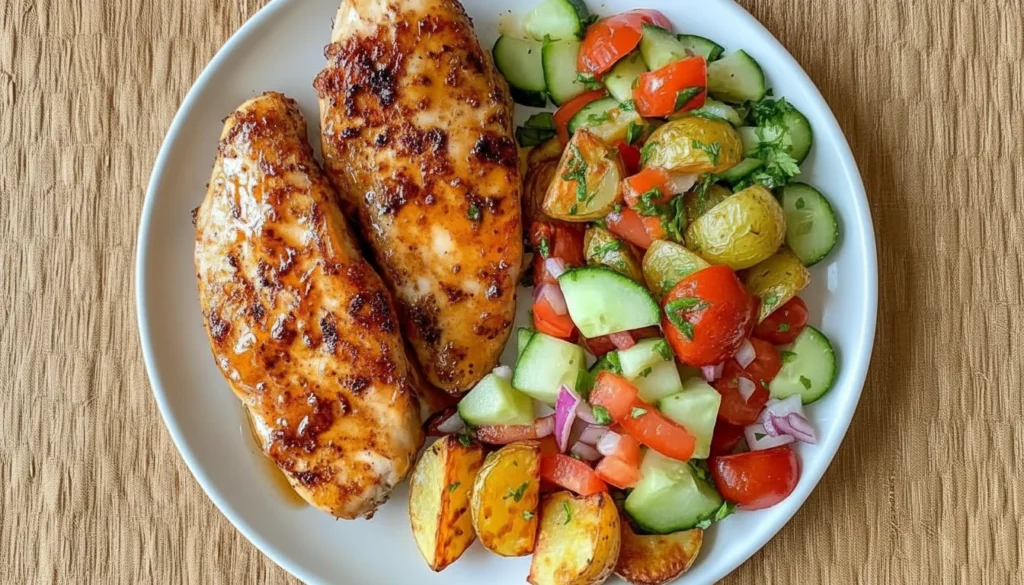
Mediterranean Diet Food List
The Mediterranean Diet focuses on natural foods that are rich in nutrients.
Vegetables
Vegetables should form the base of most meals.
Examples include:
Tomatoes
Spinach
Cucumbers
Carrots
Broccoli
Peppers
Zucchini
Artichokes
These foods provide vitamins, minerals, fiber, and antioxidants.
Fruits
Fresh fruits are often enjoyed as desserts or snacks.
Examples include:
Grapes
Oranges
Berries
Melons
Apples
Peaches
Pears
They provide natural sweetness along with important nutrients.
Whole Grains
Whole grains provide fiber and long-lasting energy.
Common Mediterranean grains include:
Whole-grain bread
Brown rice
Barley
Farro
Oats
Quinoa
Unlike refined grains, these foods contain the full grain kernel and more nutrients.
Legumes
Beans and lentils are a major protein source in the Mediterranean Diet.
Examples include:
🫘 Chickpeas
🫘 Lentils
🫘 Black beans
🫘 White beans
They are affordable, filling, and rich in fiber.
Healthy Fats
Healthy fats are essential in this eating pattern.
Primary sources include:
Extra virgin olive oil
Avocados
Nuts and seeds
These fats support heart health and reduce inflammation.
Fish and Seafood
Fish is eaten several times per week.
Best choices include:
Salmon
Sardines
Tuna
Mackerel
Trout
These fish are rich in omega-3 fatty acids.
Poultry and Eggs
Lean protein sources like chicken, turkey, and eggs are eaten in moderation.
Dairy
Natural dairy products are included in small portions.
Common choices include:
Cheese
Milk
Greek yogurt
Fermented dairy foods also support gut health.
Herbs and Spices
Herbs and spices are widely used instead of salt.
Examples include:
Basil
Oregano
Rosemary
Thyme
Cumin
They add flavor while providing antioxidants.
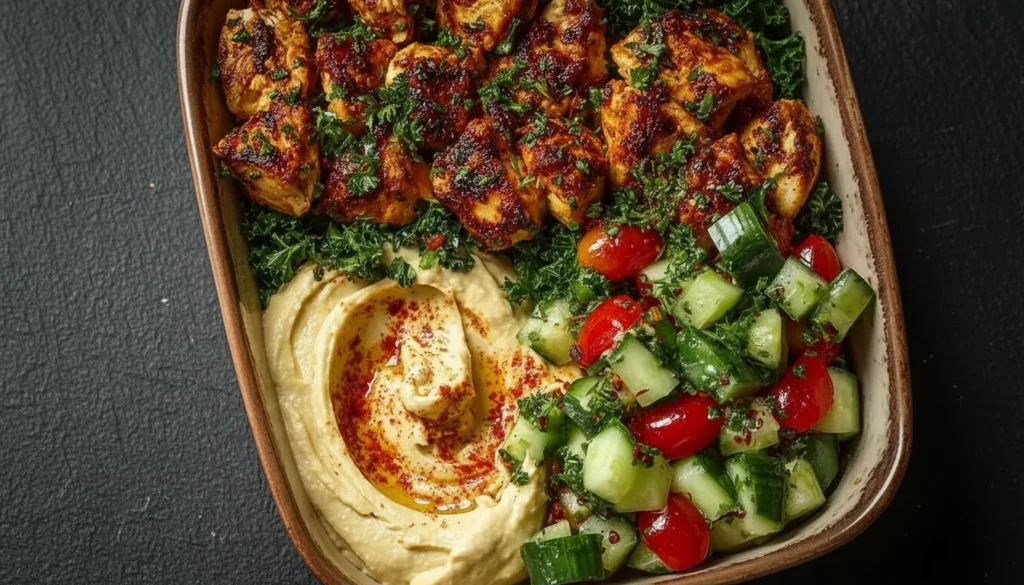
Mediterranean Diet Serving Guidelines
Here is a simplified guide for daily and weekly intake.
Fruits and Vegetables
Fruit: about 3 servings daily
Vegetables: 3 or more servings daily
Tip: Include vegetables in every meal.
Whole Grains
Aim for 3–6 servings per day.
Examples: whole-grain bread, oats, barley.
Olive Oil
Use 1–4 tablespoons daily.
Replace butter or margarine with olive oil whenever possible.
Legumes
Consume at least 3 servings per week.
They can be added to soups, salads, or stews.
Fish
Eat fish about three times per week.
Nuts
Enjoy three or more servings weekly.
Choose unsalted varieties.
Poultry and Dairy
Limit to one serving per day or less.
Eggs
About one egg per day is generally recommended.
Red Meat
Limit to once per week or less.
Choose lean cuts when consumed.
Wine (Optional)
If you already drink alcohol, moderate wine intake may be included with meals.
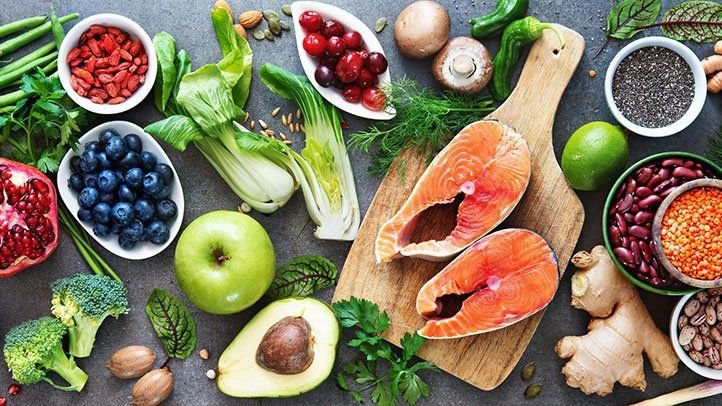
Easy Mediterranean Meal Ideas 🍴
Breakfast
Greek yogurt with berries and walnuts
Oatmeal topped with fruit and seeds
Vegetable omelet with whole-grain toast
Lunch
Quinoa salad with roasted vegetables
Whole-grain wrap with hummus and vegetables
Chickpea salad with olive oil and lemon
Dinner
Grilled salmon with tomato cucumber salad
Roasted vegetables with whole grains
Grilled chicken with sautéed greens and beans
Healthy Snacks
Fresh fruit
Nuts and seeds
Vegetables with hummus
Whole-grain crackers with yogurt dip
Foods to Limit
Although the Mediterranean Diet is flexible, some foods should be limited.
These include:
Sugary drinks
Processed meats
Fast food
Refined grains like white bread
Packaged sweets and desserts
Foods high in sodium or saturated fats
Reducing these foods helps maintain the health benefits of the diet.
The Mediterranean Diet Pyramid
The Mediterranean Diet is often illustrated using a pyramid.
Base of the Pyramid
Daily foods:
Vegetables, fruits, whole grains, legumes, nuts, olive oil.
Middle Level
Weekly foods:
Fish, poultry, dairy.
Top Level
Occasional foods:
Red meat and sweets.
Mediterranean Lifestyle Principles
The Mediterranean Diet is not only about food. It also encourages healthy lifestyle habits.
These include:
Regular physical activity
Eating meals with family and friends
Relaxing and enjoying food slowly
Choosing fresh seasonal ingredients
These habits contribute to better overall well-being.
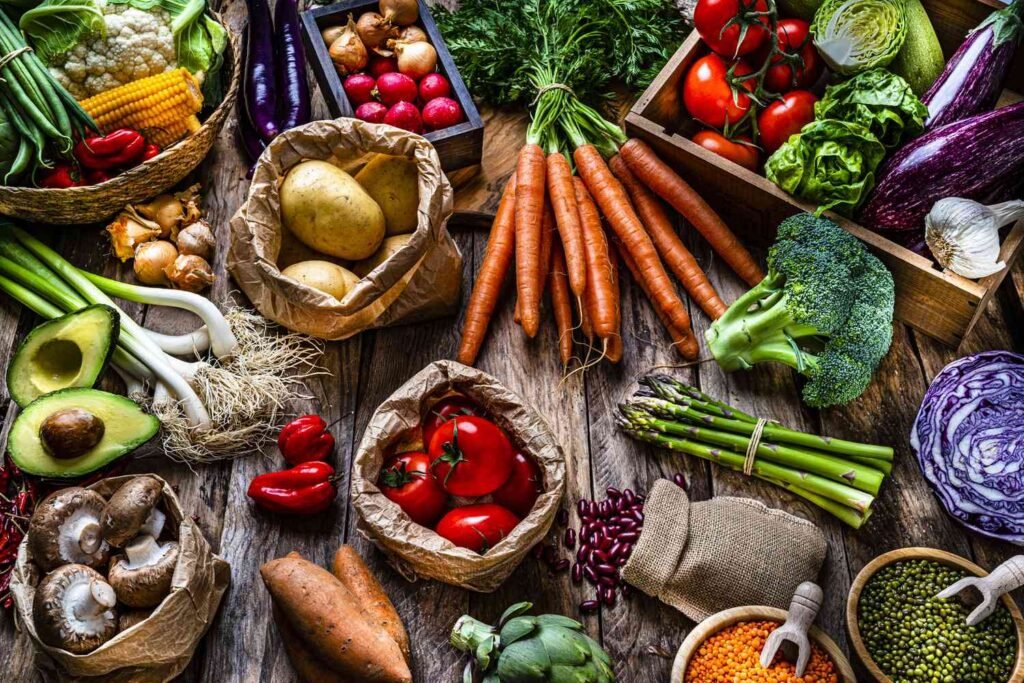
Final Thoughts
The Mediterranean Diet is much more than a nutrition plan. It’s a balanced lifestyle focused on enjoying wholesome foods, staying active, and sharing meals with others.
By emphasizing vegetables, fruits, whole grains, healthy fats, and lean proteins, this approach supports heart health, brain function, healthy weight, and long-term wellness.
The best part is that it’s flexible, enjoyable, and sustainable, making it easier to follow for life rather than just a short period.