
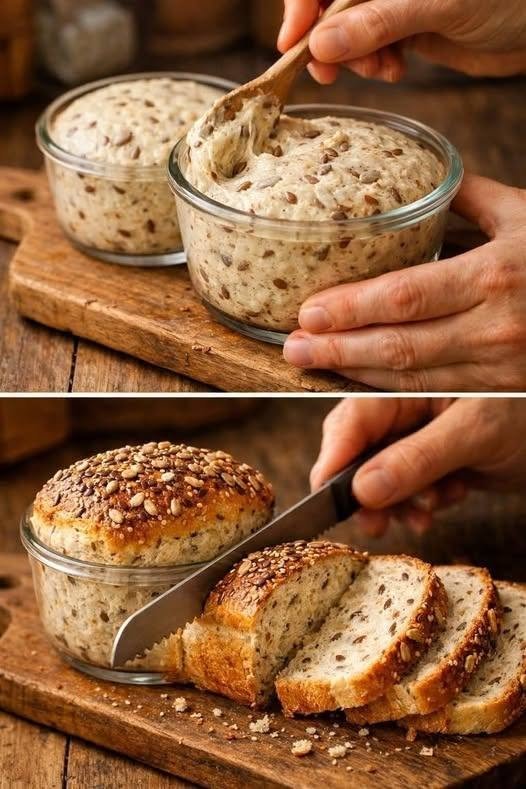
Certain recipes are more than just recipes. For me, one of those is this whole-grain bread with seeds.
A buddy suggested using a combination of whole grains and seeds to make bread, which is how I first discovered the concept of a homemade seeded loaf. At first, I was a little intimidated because I had always thought making bread from scratch would need too much patience and time. However, after giving it a try, I saw how reassuring the entire procedure can be.
Anti-Inflammatory Seeded Whole-Grain Bread
Seeded Whole-Grain Bread is a hearty, homemade loaf packed with whole wheat flour, oats, flaxseed, chia seeds, sunflower seeds, pumpkin seeds, and sesame seeds. It has a tender, slightly chewy crumb and a golden, crunchy seed topping.
This version is designed around an anti-inflammatory eating pattern, emphasizing whole grains, fiber-rich seeds, healthy fats, and minimal added sugar. Whole grains and seeds can contribute fiber, antioxidants, and beneficial plant compounds to an overall balanced diet, although no single bread can treat or eliminate inflammation.
🥖 Recipe at a Glance
Prep time: 25 minutes
Rise time: 1½–2 hours
Bake time: 35–45 minutes
Total time: About 2½–3 hours
Yield: 1 large loaf, about 10–12 slices
Ingredients
For the bread
-
2 cups whole-wheat flour
-
1 cup bread flour or all-purpose flour
-
½ cup rolled oats
-
2 tablespoons ground flaxseed
-
1 tablespoon chia seeds
-
2 tablespoons sunflower seeds
-
2 tablespoons pumpkin seeds, roughly chopped
-
1 tablespoon sesame seeds
-
1½ teaspoons instant yeast
-
1 teaspoon sea salt
-
1 tablespoon extra-virgin olive oil
-
1 tablespoon honey or pure maple syrup
-
1¼–1½ cups warm water, added gradually
For the topping
-
1 tablespoon sunflower seeds
-
1 tablespoon pumpkin seeds
-
1 tablespoon sesame seeds
-
1 teaspoon flaxseed
-
1 teaspoon chia seeds
-
Optional: 1 teaspoon rolled oats
Instructions
1. Prepare the seed mixture
Combine the oats, ground flaxseed, chia seeds, sunflower seeds, pumpkin seeds, and sesame seeds in a large mixing bowl.
For an especially tender loaf, mix the seeds with about ½ cup of the warm water and let them sit for 10 minutes. This helps hydrate the seeds and prevents them from drawing too much moisture from the dough.
2. Make the dough
Add whole-wheat flour, bread flour, yeast, and salt.
Stir in the olive oil and honey or maple syrup.
Gradually add the remaining warm water while mixing. You want a soft, slightly sticky dough, rather than a stiff dough.
If it feels extremely wet, add flour 1 tablespoon at a time.
3. Knead
Transfer the dough to a lightly floured surface.
Knead for approximately 8–10 minutes, until it becomes smoother and elastic.
Alternatively, use a stand mixer with a dough hook for about 6–8 minutes.
4. First rise
Place the dough into a lightly oiled bowl and cover.
Leave it somewhere warm for approximately 60–90 minutes, or until noticeably expanded.
For more developed flavor, you can refrigerate the dough overnight after kneading and allow it to come toward room temperature before shaping.
5. Shape the loaf
Gently deflate the dough and shape it into a round or oval loaf.
Place it into a parchment-lined loaf pan or on a baking sheet.
Brush the surface lightly with water.
Sprinkle generously with the pumpkin seeds, sunflower seeds, sesame seeds, flaxseed, chia seeds, and oats.
Press the seeds gently into the surface so they stick.
6. Second rise
Cover loosely and let the loaf rise for 30–45 minutes.
Meanwhile, preheat your oven to 400°F (200°C).
7. Bake
Bake for approximately 35–45 minutes, until deeply golden brown.
The loaf should sound hollow when tapped underneath.
For the best texture, allow it to cool for at least 45–60 minutes before slicing.
Why This Can Fit an Anti-Inflammatory Diet
The nutritional focus of this healthy whole-grain bread recipe comes from the combination of whole grains and seeds.
Whole wheat and oats
They provide dietary fiber and plant compounds that can support digestive and metabolic health.
Flaxseed
Ground flax provides fiber and plant-based alpha-linolenic acid (ALA), an omega-3 fatty acid.
Chia seeds
Chia contributes fiber, ALA omega-3 fats, and minerals.
Pumpkin and sunflower seeds
These provide healthy unsaturated fats, protein, fiber, magnesium, and other micronutrients.
Extra-virgin olive oil
Using olive oil instead of butter keeps the recipe aligned with a Mediterranean-style eating pattern.
The important point is that the overall diet matters more than any individual “anti-inflammatory food.” This bread works best alongside vegetables, fruit, legumes, nuts, fish, and other minimally processed foods.
Serving Suggestions
🥑 Anti-Inflammatory Breakfast Toast
Top a slice with:
-
Avocado
-
Extra-virgin olive oil
-
Tomato
-
Black pepper
-
Pumpkin seeds
🥚 High-Protein Breakfast
Serve toasted bread with:
-
Scrambled or boiled eggs
-
Avocado
-
Spinach
-
Tomatoes
🫐 Healthy Sweet Breakfast
Spread with natural almond or peanut butter and add:
-
Blueberries
-
Sliced banana
-
Chia seeds
-
Cinnamon
🥗 Healthy Lunch
Use two slices for a fiber-rich sandwich with:
-
Grilled chicken or salmon
-
Hummus
-
Spinach
-
Cucumber
-
Tomato
-
Avocado
🍲 With Soup
Serve toasted slices alongside lentil soup, vegetable soup, chicken soup, or bean soup.
🧄 Savory Toast
Toast and rub lightly with garlic, then drizzle with extra-virgin olive oil.
Variations
1. High-Fiber Seeded Bread
Increase ground flaxseed to 3 tablespoons and add 2 tablespoons oat bran.
Tip: Add extra water because additional fiber absorbs moisture.
2. Mediterranean Seeded Bread
Add:
-
1 teaspoon dried oregano
-
½ teaspoon rosemary
-
1 tablespoon chopped olives
This makes an excellent savory bread for sandwiches.
3. Walnut & Flax Bread
Replace some sunflower seeds with ¼ cup chopped walnuts.
4. Oat & Honey Bread
Increase rolled oats to ¾ cup and use honey instead of maple syrup.
5. Rye Seeded Bread
Replace ½ cup of the whole-wheat flour with rye flour for a darker, more rustic loaf.
6. Gluten-Free Version
Use a tested gluten-free whole-grain flour blend formulated for yeast bread and ensure that the oats and other ingredients are certified gluten-free if necessary.
Do not simply substitute gluten-free flour cup-for-cup and expect identical results; gluten-free dough generally needs a different hydration and binding system.
Storage
Room temperature: Store tightly wrapped for about 2–3 days.
Refrigerator: Keeps longer, but refrigeration can make bread stale faster.
Freezer: Slice the completely cooled loaf and freeze individual slices for up to about 2–3 months for best quality.
Toast directly from frozen for an easy healthy meal-prep breakfast.
Approximate Nutrition
Nutrition varies according to the exact flour, seeds, sweetener, and slice size.
For approximately 1 of 12 slices:
-
Calories: ~180–210
-
Protein: ~6–7 g
-
Carbohydrates: ~28–31 g
-
Dietary fiber: ~5–6 g
-
Fat: ~6–7 g
-
Saturated fat: ~0.7–1 g
-
Sugars: ~2–3 g
-
Sodium: ~180–250 mg
The seeds contribute substantial healthy fats, minerals, and fiber, while the whole-grain flour contributes complex carbohydrates and additional fiber.
Frequently Asked Questions
Is Seeded Whole-Grain Bread anti-inflammatory?
It can be a useful component of an anti-inflammatory diet because it contains whole grains, seeds, fiber, and unsaturated fats. However, calling any individual bread “anti-inflammatory” should not imply that it treats inflammation or a medical condition.
Is whole-grain bread healthier than white bread?
Generally, whole-grain bread provides more fiber and retains more of the grain’s naturally occurring nutrients than bread made primarily from refined flour.
Can I make this bread without honey?
Yes. Simply omit the honey or maple syrup. The bread will still work, although the flavor and browning may be slightly different.
Can I use instant yeast?
Yes. Instant yeast is ideal for this recipe and can usually be mixed directly with the dry ingredients.
Why is my whole-grain bread dense?
Whole-wheat flour absorbs more water and contains bran, which can interfere with gluten development. Avoid adding too much flour, knead sufficiently, and give the dough enough time to rise.
Can I add turmeric?
Yes. Try ½–1 teaspoon turmeric with a small pinch of black pepper for a savory variation. It will give the bread a beautiful golden color.
Can I make it sourdough?
Absolutely. Replace the commercial yeast with an active sourdough starter and adjust the flour and water according to your starter’s hydration. Expect a longer fermentation time.
Is this bread good for weight management?
It can fit into a weight-management meal plan because its combination of whole grains, seeds, and fiber can make it satisfying. Portion size and the foods served with it still matter.
Is this a good breakfast bread?
Yes. Pairing it with protein and healthy fats—such as eggs, Greek yogurt, avocado, nut butter, or salmon—creates a more balanced breakfast.
Best Toppings for Healthy Whole-Grain Bread
For a nutrient-dense breakfast or snack, try:
Avocado + egg + chili flakes
Almond butter + berries + chia
Hummus + cucumber + tomato
Smoked salmon + avocado + lemon
Greek yogurt + berries + walnuts
Mashed chickpeas + spinach + olive oil
These combinations turn a simple slice of bread into a more complete meal containing fiber, protein, healthy fats, and micronutrients.
Final Thoughts
This Seeded Whole-Grain Bread is a great homemade alternative to highly refined bread when you’re looking for a high-fiber breakfast, healthy meal-prep recipe, heart-conscious diet, clean-eating recipe, or Mediterranean-style meal plan.