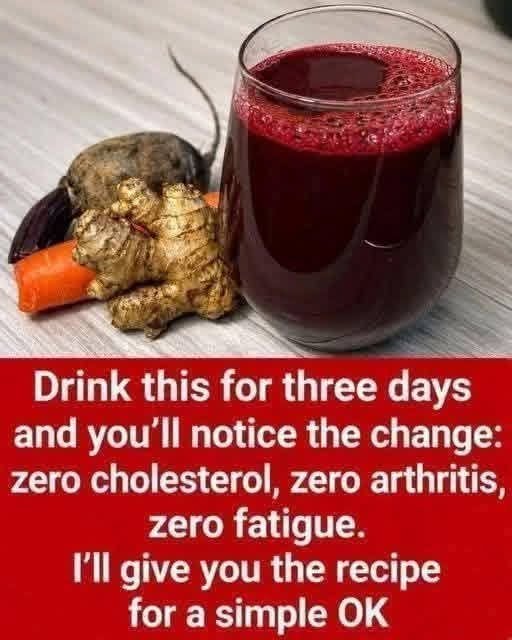
Making a fresh drink at home has a certain charm, especially if you use basic components that you already have in your kitchen. Sometimes all you need to make something vibrant, revitalising, and flavourful is a small piece of fresh ginger, a few carrots, and some beetroot.
One of those simple recipes that looks nice in a glass and adds a delightful freshness to your day is beetroot, carrot and ginger juice. The beetroot gives it a rich red hue, the carrots naturally sweeten it, and the ginger adds a subtle..
Beetroot, Carrot & Ginger Juice: Anti-Inflammatory Drink Recipe for Daily Wellness
Recipe Description
Beetroot, Carrot & Ginger Juice is a vibrant, nutrient-rich drink made with fresh beetroot, carrots, and ginger. This naturally colorful juice provides antioxidants, vitamins, minerals, and plant compounds that support overall health and a balanced diet.
Beetroot contains dietary nitrates and betalain pigments, carrots provide beta-carotene, and ginger contains bioactive compounds called gingerols. Together, these ingredients make a refreshing addition to a healthy lifestyle focused on nutrition, heart health, and general wellness.
This homemade juice may help support normal blood pressure, provide antioxidant protection, and contribute to a balanced anti-inflammatory diet. However, it does not eliminate arthritis, cure chronic inflammation, or lower cholesterol to zero in three days.
Recipe name: Beetroot, Carrot & Ginger Juice
Category: Anti-inflammatory drinks, healthy juice recipes, natural wellness drinks
Preparation time: 10 minutes
Cooking time: 0 minutes
Total time: 10 minutes
Servings: 2 small servings
Difficulty: Easy
Dietary preferences: Vegan, vegetarian, dairy-free, gluten-free
Best for: Breakfast, healthy snacks, and refreshing daytime drinks
Ingredients
- 1 medium fresh beetroot, washed, peeled, and chopped
- 2 medium carrots, washed, peeled if desired, and chopped
- 1-inch piece of fresh ginger, peeled
- 1/2 cup cold water, or as needed for blending
- 1/2 fresh lemon, juiced (optional)
- 2–3 fresh mint leaves (optional)
- A few ice cubes (optional)
Full Preparation Instructions
Step 1: Prepare the Ingredients
Wash the beetroot and carrots thoroughly under running water. Peel them if preferred, then cut them into small pieces suitable for your blender or juicer.
Peel the fresh ginger and slice it into thin pieces. If using lemon, squeeze out the juice and remove any seeds.
Step 2: Blend the Ingredients
Add the beetroot, carrots, ginger, and water to a high-speed blender.
Blend for approximately 45–90 seconds, or until the mixture becomes smooth. Add a little more water if the consistency is too thick.
If you are using a juicer, process the beetroot, carrots, and ginger according to the manufacturer’s instructions. You generally will not need to add water.
Step 3: Strain if Desired
For a smoother juice, pour the blended mixture through a fine-mesh strainer.
For more dietary fiber, leave the mixture unstrained. The unstrained version is technically closer to a smoothie than a traditional juice.
Step 4: Add Lemon
Stir in the fresh lemon juice if desired. It adds a bright, citrusy flavor that balances the earthy taste of beetroot and the warmth of ginger.
Step 5: Serve Fresh
Pour into two small glasses and serve immediately. Add ice or a mint leaf if desired.
For the best flavor and nutrient retention, prepare the drink shortly before serving.
Serving Suggestions
- Morning wellness drink: Enjoy a small glass with breakfast alongside eggs, oatmeal, whole-grain toast, or unsweetened yogurt.
- Healthy afternoon refreshment: Serve chilled as a refreshing alternative to sugary soft drinks.
- Post-exercise option: Pair with water and a balanced meal containing protein and carbohydrates.
- Anti-inflammatory meal plan: Enjoy alongside meals rich in leafy greens, beans, lentils, whole grains, nuts, olive oil, and oily fish if you eat fish.
- Low-added-sugar beverage: Avoid adding sugar, honey, or sweetened syrups to keep the recipe naturally low in added sugar.
You can drink this juice whenever it fits your routine. There is no proven requirement to drink it on an empty stomach or for exactly three consecutive days.
Recipe Variations
1. Beetroot, Carrot, Ginger & Lemon Juice
Add the juice of half a lemon for a refreshing citrus flavor. This variation is ideal for people who prefer a less earthy-tasting drink.
2. Beetroot, Carrot, Ginger & Apple Juice
Add one small apple for natural sweetness. Apples provide additional plant compounds, but they also increase the total carbohydrate and sugar content.
3. Beetroot, Carrot, Ginger & Turmeric Juice
Add 1/4 teaspoon of ground turmeric or a small piece of fresh turmeric. Turmeric contains curcumin, which has been studied for its potential effects on inflammation. However, the amount in a homemade drink is not a proven treatment for arthritis or other inflammatory diseases.
4. Beetroot, Carrot & Cucumber Juice
Replace some of the water with cucumber. This produces a lighter, refreshing drink with a milder flavor.
5. Beetroot, Carrot, Ginger & Orange Juice
Add half an orange for a sweeter, citrus-forward flavor. This variation can provide vitamin C but contains more natural sugar.
6. High-Fiber Beetroot and Carrot Smoothie
Blend the ingredients with water and do not strain. Keeping the pulp retains more fiber, which supports digestive health and can help you feel fuller.
Potential Health Benefits
1. Antioxidant Support
Beetroot contains betalains, while carrots provide beta-carotene. These plant compounds contribute to the antioxidant content of the drink and help support normal cellular functions.
2. Support for a Heart-Healthy Diet
Beetroot contains dietary nitrates, which the body can convert into nitric oxide. Nitric oxide helps blood vessels relax. Research suggests beetroot products may modestly support healthy blood pressure in some people, although results vary and juice is not a substitute for prescribed treatment.
3. Anti-Inflammatory Nutrition
Ginger contains gingerols and related compounds that have been investigated for their potential anti-inflammatory effects. Including ginger in a varied, balanced diet may be beneficial, but this juice should not be considered a cure for chronic inflammation.
4. Support for Eye Health
Carrots provide beta-carotene, which the body can convert into vitamin A. Vitamin A is important for normal vision and immune function.
5. Hydration
The water content of this drink contributes to daily fluid intake. It can be part of a healthy hydration routine.
6. General Nutritional Support
Beetroot and carrots provide several micronutrients and plant compounds. However, juicing removes much of the fiber, especially when the mixture is strained, so whole vegetables should remain a regular part of your diet.
Important Health Disclaimer
Claims that this drink can reduce cholesterol to zero, eliminate arthritis, or completely remove fatigue within three days are not supported by reliable clinical evidence. It may complement a healthy diet, but it cannot replace cholesterol-lowering medication, arthritis treatment, or medical assessment for persistent fatigue.
Nutrition Information
Estimated nutrition per serving, assuming the recipe makes two servings and includes beetroot, two carrots, ginger, and water without added sugar:
- Calories: 50–75 kcal
- Total carbohydrates: 11–17 g
- Natural sugars: 6–10 g
- Dietary fiber: approximately 2–4 g if blended and unstrained; substantially less if strained
- Protein: 1–2 g
- Total fat: less than 1 g
- Potassium: approximately 250–450 mg
- Vitamin A: varies with carrot size and preparation; carrots are a significant source of beta-carotene
- Vitamin C: varies according to ingredient size and whether lemon is added
These values are estimates, not laboratory measurements. Actual nutrition depends on ingredient size, juice extraction, straining, and serving volume. The juice is not a significant source of protein and should not replace a complete meal.
Precautions and Who Should Be Careful
- Kidney stones: Beetroot contains oxalates. People prone to calcium oxalate kidney stones should ask their healthcare professional whether frequent beetroot juice is appropriate.
- Low blood pressure: Beetroot juice may modestly lower blood pressure in some individuals. Consult your healthcare professional if you already have low blood pressure or take blood-pressure medication.
- Blood sugar management: The juice contains natural sugars and may have less fiber than whole vegetables. People with diabetes should consider portion size and monitor their individual response.
- Kidney disease: People following a potassium-restricted diet should check whether the ingredients fit their prescribed dietary plan.
- Medication considerations: Concentrated ginger supplements may interact with certain medicines, including blood-thinning medication. Ordinary culinary amounts are different from concentrated supplements, but ask your healthcare professional if you have concerns.
- Red or pink urine and stools: Beetroot can temporarily change urine or stool color. If discoloration persists or appears to be blood, seek medical advice.
Seek professional medical advice for persistent joint pain, swelling, unusual fatigue, or concerns about cholesterol. Do not stop prescribed medication because of a homemade juice recipe.
Storage Instructions
Fresh juice is best consumed immediately.
If necessary, store leftovers in a clean, airtight container in the refrigerator and consume within 24 hours. Refrigeration may slow quality deterioration, but it does not eliminate the risk of contamination. Discard juice that has been left at room temperature for an extended period or shows signs of spoilage.
For meal preparation, wash and chop the vegetables in advance and refrigerate them in a covered container until you are ready to blend.
Frequently Asked Questions
1. Is beetroot, carrot, and ginger juice anti-inflammatory?
It contains plant compounds with antioxidant and potentially anti-inflammatory properties. However, evidence for the combined drink as a treatment for inflammation is limited. It is best used as part of a balanced dietary pattern rather than as a medicine.
2. Can this juice cure arthritis?
No. There is no reliable evidence that this recipe cures osteoarthritis, rheumatoid arthritis, or other joint diseases. A nutritious diet may support overall health, but arthritis management depends on the specific condition and may require medical treatment.
3. Does it lower cholesterol in three days?
There is no good evidence that drinking this juice for three days produces a meaningful or predictable reduction in cholesterol. For cholesterol management, emphasize soluble fiber, healthy unsaturated fats, physical activity, and any treatment recommended by your clinician.
4. What is the best time to drink this juice?
You can enjoy it in the morning, with breakfast, or as an afternoon drink. There is no established best time, and drinking it on an empty stomach is not necessary.
5. Can I drink it every day?
Many healthy adults can include a small serving in their diet, provided it suits their health needs. Variety matters, and eating whole vegetables is important for fiber intake. If you have kidney disease, a history of kidney stones, low blood pressure, or a relevant medical condition, seek personalized advice.
6. Can I drink it at night?
Yes, if you tolerate it well. There is no established advantage to drinking it at night. If it causes digestive discomfort or increases nighttime bathroom visits, have it earlier in the day.
7. Is this juice good for weight loss?
It may fit into a weight-management plan as a modest serving, especially when it replaces a sugary beverage. However, it does not burn body fat directly. Whole vegetables generally provide more fiber and may be more filling.
8. Can I make it without a juicer?
Yes. Use a blender and add water until the ingredients blend smoothly. Strain if you prefer a thinner texture, or keep the pulp for more fiber.
9. Can I add turmeric or black pepper?
You can add a small amount of turmeric for flavor. Black pepper is optional, but adding it does not transform the drink into a proven anti-inflammatory treatment.
10. How long does it take to notice health benefits?
There is no guaranteed timeline. Taste and hydration benefits may be immediate, while changes in health indicators depend on your overall diet, medical conditions, and other lifestyle factors. Blood pressure and cholesterol should be measured rather than judged by how you feel after drinking the juice.
Related Recipe Ideas
- Anti-inflammatory ginger and turmeric tea
- Fresh beetroot and lemon juice
- Carrot, apple, and ginger smoothie
- Green spinach and cucumber smoothie
- Homemade turmeric and ginger wellness drink
- Heart-healthy breakfast smoothie
- High-fiber vegetable smoothie
- Healthy drinks with no added sugar
Final Thoughts
Beetroot, Carrot & Ginger Juice is a simple, colorful, and refreshing way to add more vegetables and plant compounds to your daily routine. Its ingredients provide useful nutrients, and beetroot may offer modest blood-pressure benefits for some people.