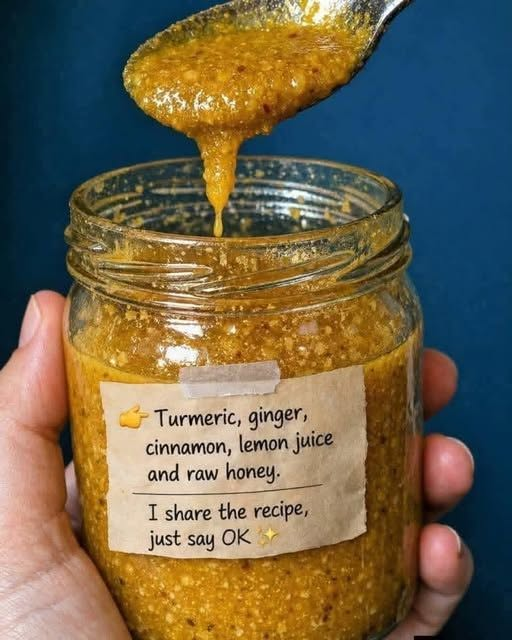
Simple handmade meals have a reassuring quality. Sometimes all we need is a few well-known ingredients, a little cooking time, and a warm, comforting meal to savour after a demanding day. This Turmeric, Ginger, Honey & Lemon Immunity Paste is unique precisely because of that.
A buddy suggested combining turmeric, fresh ginger, lemon juice, cinnamon, and raw honey into a thick, golden paste, which sparked my initial interest in this combination. Every time she desired a soothing beverage, she would add a tablespoon to warm water from a little jar she kept in the refrigerator..
Turmeric, Ginger, Honey & Lemon Immunity Paste – Natural Anti-Inflammatory Recipe
Recipe Description
Turmeric, Ginger, Honey & Lemon Immunity Paste is a homemade blend of warming spices, fresh ginger, lemon juice, and raw honey. This golden paste has a sweet, tangy flavor with earthy notes from turmeric and a gentle spicy kick from ginger and cinnamon.
Turmeric contains curcumin, a compound studied for its anti-inflammatory properties. Ginger contains gingerols and other bioactive compounds, while lemon provides vitamin C. Honey adds natural sweetness and a smooth texture.
This easy homemade recipe can be enjoyed in warm water, herbal tea, smoothies, or as a flavorful addition to breakfast. Although its ingredients may support a healthy diet, this paste is not a proven treatment for inflammation, infections, or other medical conditions.
Recipe at a glance
- Preparation time: 10 minutes
- Cooking time: None
- Total time: 10 minutes
- Yield: Approximately 1 cup
- Serving size: 1 teaspoon
- Difficulty: Easy
- Diet: Vegetarian and gluten-free
- Best for: A flavorful wellness routine, herbal tea, and everyday cooking
Ingredients
- 1/2 cup raw honey (approximately 170 g)
- 2 tablespoons freshly grated ginger
- 2 tablespoons fresh lemon juice
- 1 tablespoon ground turmeric
- 1 teaspoon ground cinnamon
- 1–2 tablespoons water, if needed for consistency
- A small pinch of freshly ground black pepper (optional)
Ingredient notes
- Turmeric: Provides the characteristic golden color and curcumin.
- Fresh ginger: Adds a bright, spicy flavor and naturally occurring gingerols.
- Raw honey: Helps bind the ingredients and balances their sharp flavors.
- Lemon juice: Adds acidity and a refreshing citrus taste.
- Cinnamon: Adds warmth and sweetness.
- Black pepper: Contains piperine, which can increase curcumin absorption but may also interact with certain medications.
Instructions: How to Make Turmeric, Ginger, Honey & Lemon Immunity Paste
Step 1: Prepare the ginger
Wash and peel the fresh ginger, then grate it finely. For a smoother paste, blend the ginger with the lemon juice.
Step 2: Combine the dry ingredients
Place the ground turmeric and cinnamon in a clean mixing bowl. Add a small pinch of black pepper if desired.
Step 3: Add the fresh ingredients
Stir in the grated ginger and fresh lemon juice until the mixture forms a thick, aromatic paste.
Step 4: Add the honey
Gradually mix in the raw honey until all the ingredients are evenly combined. Add a little water if necessary, but avoid making the paste too thin.
Step 5: Transfer to a jar
Spoon the mixture into a clean, dry, airtight glass jar. Label it with the preparation date.
Step 6: Refrigerate
Refrigerate promptly because the recipe contains fresh ginger and lemon juice. For a homemade mixture without a validated preservation method, use a conservative storage period of about 5–7 days and discard it sooner if its smell, appearance, or texture changes. Do not rely on honey alone to preserve the added fresh ingredients.
Serving Suggestions
1. Golden Ginger Tea
Stir 1 teaspoon of paste into a cup of warm water. The water should be warm rather than boiling to preserve the honey’s flavor.
2. Anti-Inflammatory Breakfast
Add a small amount to oatmeal, plain yogurt, or a smoothie bowl for a spicy, citrusy flavor.
3. Lemon and Honey Wellness Drink
Mix 1 teaspoon into warm water with additional lemon juice if desired. Enjoy it as a comforting drink, especially during cold weather.
4. Smoothies
Blend 1/2–1 teaspoon into a banana, mango, or pineapple smoothie.
5. Salad Dressing
Whisk 1/2 teaspoon with olive oil, lemon juice, and a little water for a sweet-and-spicy dressing.
6. Cooking Marinade
Mix a small amount with olive oil, garlic, and your preferred herbs to season roasted vegetables or tofu.
Suggested Serving Size
For general food use, begin with 1/2–1 teaspoon per serving and adjust according to taste and tolerance. There is no established therapeutic dose for this homemade mixture.
Because honey contains sugar, use smaller portions if you are monitoring your blood glucose or added-sugar intake. Honey should never be given to children younger than 12 months.
Potential Benefits of Turmeric, Ginger, Honey & Lemon
Turmeric and Curcumin
Turmeric contains curcumin, which has been investigated for its effects on inflammation and oxidative stress. Some clinical studies of specific curcumin preparations have reported benefits for certain symptoms, such as osteoarthritis-related discomfort. However, those results cannot automatically be applied to a homemade turmeric paste.
Ginger and Digestive Comfort
Ginger has been studied for nausea and other digestive symptoms. Some people find ginger-containing foods soothing, although individual responses vary.
Honey for Throat Comfort
Honey can help soothe a cough or irritated throat in some circumstances. It is a source of sugar, however, and does not cure the infection causing a cough.
Lemon and Vitamin C
Lemon juice contributes vitamin C, which supports normal immune function. The amount in an individual serving of this paste is relatively modest and depends on the quantity of lemon used.
Cinnamon and Flavor
Cinnamon provides aromatic plant compounds and makes the paste taste warmer and sweeter. Evidence does not establish that the small amount in this recipe treats chronic inflammation.
Important: No single food or homemade mixture can guarantee stronger immunity or eliminate inflammation. A balanced diet, adequate sleep, physical activity, and appropriate medical care remain important.
Recipe Variations
1. Spicy Anti-Inflammatory Paste
Add a tiny pinch of cayenne pepper for extra heat. Start with a very small amount if you have a sensitive stomach.
2. Fresh Turmeric and Ginger Paste
Replace the ground turmeric with 1–2 tablespoons of finely grated fresh turmeric. Wear gloves to reduce staining, and refrigerate the mixture promptly.
3. Vegan Turmeric Paste
Replace honey with a suitable plant-based syrup, such as maple syrup. The flavor and consistency will change, and the same refrigerated storage precautions still apply.
4. Orange, Ginger, and Honey Paste
Replace some of the lemon juice with fresh orange juice for a sweeter citrus flavor. Because this adds more fresh juice, keep the mixture refrigerated.
5. Mild Golden Paste
Reduce the ginger and cinnamon slightly for a gentler flavor. This is a good option for people who dislike strong spices.
6. Black Pepper Turmeric Paste
Add a small pinch of black pepper to the standard recipe. Piperine may increase curcumin absorption, but it can also affect the way certain medicines are processed. Skip it if you take medications that may interact unless your healthcare professional says it is appropriate.
Storage Tips
- Store the paste in a clean, airtight glass container in the refrigerator.
- Use a clean, dry spoon every time.
- Do not leave the jar sitting at room temperature for extended periods.
- Prepare small batches rather than making a large quantity.
- Discard the mixture if you notice mold, unusual odors, bubbling, or unexpected changes in appearance.
- Do not assume that a mixture is safe merely because it still smells normal.
Fresh lemon juice and ginger introduce moisture and microorganisms, so this recipe should not be treated as a shelf-stable honey product.
Nutrition Information
The following is an approximate estimate for the entire batch made with 1/2 cup honey, 2 tablespoons lemon juice, 2 tablespoons ginger, 1 tablespoon turmeric, and 1 teaspoon cinnamon. Actual values depend on ingredient measurements and the honey used.
Estimated nutrition per 1-teaspoon serving:
- Calories: 20–25 kcal
- Carbohydrates: 5–6 g
- Total sugars: Approximately 5 g
- Protein: Less than 0.2 g
- Fat: Less than 0.2 g
- Fiber: Approximately 0.1 g
- Sodium: Approximately 0–2 mg
- Vitamin C: A small amount
- Curcumin: Variable; not standardized
These figures are estimates, not laboratory-tested nutrition values. The paste is primarily a honey-based condiment, so it should not be considered a significant source of protein, fiber, or vitamin C.
Safety Precautions
Although these ingredients are commonly used in food, concentrated or frequent consumption may not be suitable for everyone.
- Blood-thinning medications: Turmeric and ginger supplements may affect bleeding risk. Ask your healthcare professional before using this paste regularly in medicinal quantities if you take anticoagulants or antiplatelet medicines.
- Gallbladder problems: Turmeric may not be suitable for some people with gallstones or bile duct obstruction.
- Acid reflux or sensitive stomach: Ginger, lemon, and cinnamon may aggravate symptoms in some people.
- Diabetes: Honey can raise blood glucose, even though it is natural.
- Pregnancy and breastfeeding: Normal culinary quantities differ from concentrated medicinal use. Seek professional advice before using large amounts for therapeutic purposes.
- Medication interactions: Piperine in black pepper and concentrated turmeric products can affect some medicines.
- Allergies: Avoid any ingredient that has caused an allergic reaction.
Stop using the paste if it causes a reaction or persistent digestive discomfort. Seek medical advice for ongoing joint pain, swelling, fever, or other persistent symptoms rather than relying on a homemade remedy.
Frequently Asked Questions
1. Is turmeric, ginger, honey, and lemon paste anti-inflammatory?
Turmeric and ginger contain compounds studied for their anti-inflammatory effects. However, the effectiveness of this specific homemade recipe has not been established in clinical trials. It can be part of a balanced diet, but it is not a substitute for medical treatment.
2. Can I take this paste every day?
Small culinary portions may be suitable for many adults, but daily use is not necessary for good health. Consider your sugar intake, digestive tolerance, medical conditions, and medications before using it regularly.
3. What is the best time to take this mixture?
There is no scientifically established best time. You can add it to breakfast, enjoy it in warm water, or use it with food. Taking it with a meal may be more comfortable if spices irritate your stomach.
4. Does this paste boost immunity?
Its ingredients supply various plant compounds and small amounts of nutrients, but there is no strong evidence that this particular mixture prevents infections or meaningfully boosts immunity beyond the benefits of a balanced diet.
5. Can this recipe reduce joint pain?
Some research has examined particular turmeric or curcumin preparations for osteoarthritis symptoms. The results are not proof that this honey-based recipe will reduce joint pain. Persistent pain should be assessed by a healthcare professional.
6. Can I use powdered ginger instead of fresh ginger?
Yes. Use approximately 1/2–1 teaspoon of ground ginger in place of the 2 tablespoons of fresh grated ginger, adjusting to taste. The resulting texture and flavor will be different.
7. How long does homemade immunity paste last?
Because this version contains fresh ginger and lemon juice, refrigerate it and aim to use it within 5–7 days. This is a conservative home-use recommendation, not a scientifically validated shelf life. Freeze small portions if you need longer storage.
8. Can I add this paste to hot tea?
Yes. Allow the tea to cool slightly before stirring in the paste. Very hot water is not required, and adding honey to warm rather than boiling liquid helps retain its flavor.
9. Is this recipe suitable for weight loss?
The paste itself does not burn fat or cause weight loss. Honey contributes calories and sugar, so portion size matters. Sustainable weight management depends on overall eating patterns, activity, sleep, and other individual factors.
10. Can children consume this recipe?
Do not give honey to children younger than 12 months because of the risk of infant botulism. For older children, use food-sized portions only when appropriate and consider allergies, spice tolerance, and individual dietary needs.
Related Recipes to Try
- Golden milk with turmeric, ginger, and cinnamon
- Fresh ginger and lemon herbal tea
- Turmeric and black pepper seasoning paste
- Honey and ginger throat-soothing drink
- Lemon, ginger, and mint infused water
- Turmeric-spiced vegetable soup
- Fresh ginger and turmeric salad dressing
These recipes offer different ways to incorporate aromatic spices into everyday meals without relying on a single remedy.
Final Thoughts
Turmeric, Ginger, Honey & Lemon Immunity Paste is a simple, flavorful recipe that combines earthy turmeric, spicy ginger, warming cinnamon, bright lemon, and sweet honey. It can be a convenient addition to tea, breakfast, smoothies, and homemade dressings.