
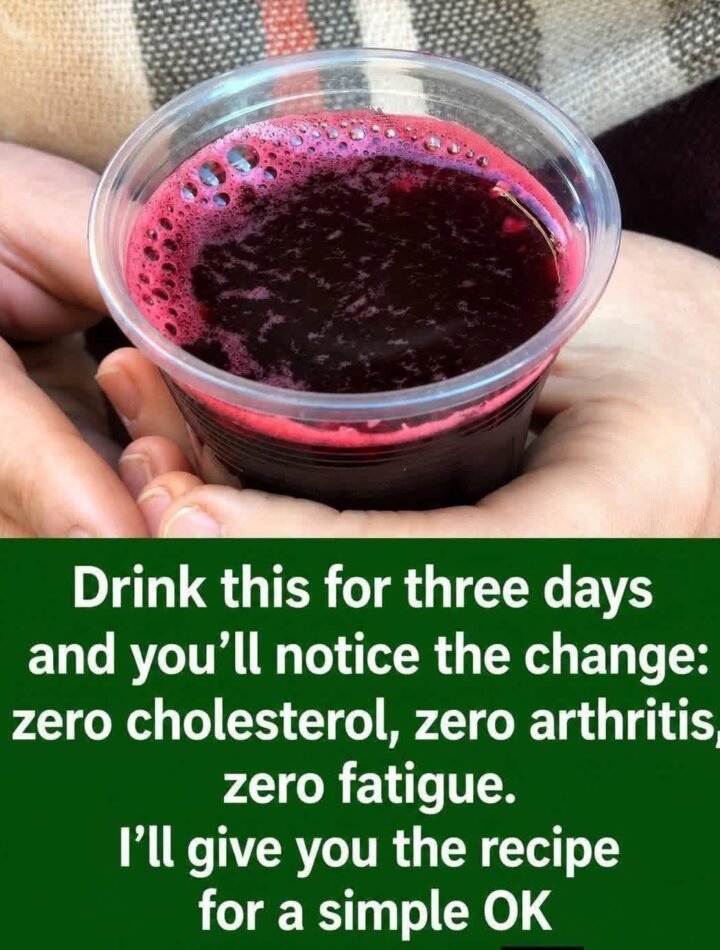
Some dishes end up in our kitchens because someone suggests them, while others become a regular part of our routine just because we like the way they make us feel. One of those easy homemade beverages that may add some colour and freshness to a typical day is beetroot juice.
Making a fresh glass of beetroot juice on a peaceful weekend morning is something I adore. This drink feels special without much work thanks to its lovely deep-red colour, earthy sweetness from the beetroot, freshness from the lemon and mild warming from the ginger.
Anti-Inflammatory Beetroot Juice Recipe: A Healthy Homemade Drink
Recipe Description
Beetroot juice is a vibrant, naturally sweet drink made with fresh beetroot, lemon, ginger, and water. This refreshing beverage is easy to prepare at home and can be a nutritious addition to a balanced diet.
Beetroot contains dietary nitrates, folate, and antioxidants called betalains. Ginger and lemon add flavor and beneficial plant compounds, making this a delicious option for people looking to enjoy more nutrient-rich foods as part of an anti-inflammatory diet.
Important: No juice can eliminate cholesterol, cure arthritis, or guarantee relief from fatigue in three days. Beetroot juice may support general health, but it should complement—not replace—medical treatment and a balanced diet.
Recipe Information
- Preparation time: 10 minutes
- Cooking time: 0 minutes
- Total time: 10 minutes
- Servings: 2
- Course: Beverage
- Cuisine: Healthy homemade drink
- Diet: Vegetarian, vegan, dairy-free
- Main ingredient: Fresh beetroot
Ingredients
- 2 medium fresh beetroots, washed, peeled, and chopped
- 1 small piece of fresh ginger (approximately 1 inch), peeled
- Juice of 1/2 lemon
- 1 cup cold drinking water (adjust as needed)
- 1 small apple, optional, for natural sweetness
- 4–5 fresh mint leaves, optional
- Ice cubes, optional
Instructions
Step 1: Prepare the Ingredients
Wash the beetroot thoroughly under running water. Peel it if desired, then cut it into small pieces. Peel the ginger and chop it into smaller pieces.
Step 2: Blend the Ingredients
Add the chopped beetroot, ginger, lemon juice, and water to a blender. If you prefer a sweeter flavor, add the apple.
Blend for approximately 1–2 minutes until smooth.
Step 3: Adjust the Consistency
Add a little more water if the juice is too thick. For a smoother drink, strain it through a fine-mesh strainer. Keeping the pulp provides more fiber.
Step 4: Serve Fresh
Pour the juice into glasses. Add fresh mint leaves or a few ice cubes if desired.
Enjoy immediately for the freshest flavor.
Potential Health Benefits of Beetroot Juice
1. Antioxidant Support
Beetroot contains betalains and other plant compounds that help protect cells from oxidative stress. Including a variety of colorful fruits and vegetables in your diet supports overall health.
2. Cardiovascular Health
Beetroot is rich in dietary nitrates, which the body can convert into nitric oxide. Nitric oxide helps relax blood vessels and may support healthy blood pressure in some people.
Beetroot juice is not a replacement for prescribed blood pressure or cholesterol medication.
3. Anti-Inflammatory Nutrition
Beetroot, ginger, and lemon provide plant compounds that can contribute to a nutrient-rich diet. However, evidence that this particular juice meaningfully reduces chronic inflammation or arthritis symptoms is limited.
4. Exercise and Energy Support
Dietary nitrates from beetroot juice may modestly improve exercise efficiency for some people. However, the juice is not a guaranteed treatment for persistent fatigue or low energy.
5. Digestive Health
Blending the ingredients and retaining the pulp preserves more fiber than straining the juice. Dietary fiber supports regular bowel movements and a healthy digestive system.
Serving Suggestions
- Morning drink: Enjoy a small glass with breakfast.
- Pre-workout beverage: Try a serving approximately 2–3 hours before exercise if it suits your digestion.
- Healthy snack: Pair it with unsalted nuts or a piece of fruit.
- Refreshing summer drink: Serve chilled with mint and lemon.
- Balanced breakfast: Enjoy alongside oatmeal, whole-grain toast, or eggs.
You do not need to drink beetroot juice on an empty stomach. Choose a serving size that agrees with you.
Recipe Variations
1. Beetroot, Carrot, and Ginger Juice
Ingredients:
- 1 medium beetroot
- 2 carrots
- 1 small piece of ginger
- 1 cup water
Blend until smooth. This version provides additional beta-carotene from carrots.
2. Beetroot and Apple Juice
Ingredients:
- 1 medium beetroot
- 1 apple
- Juice of 1/2 lemon
- 1/2–1 cup water
This variation is naturally sweeter. Keep in mind that adding fruit increases the drink’s carbohydrate and sugar content.
3. Beetroot, Cucumber, and Mint Juice
Ingredients:
- 1 medium beetroot
- 1/2 cucumber
- 5 mint leaves
- Juice of 1/2 lemon
- 1 cup water
This is a light, refreshing option for warm weather.
4. Beetroot and Orange Juice
Ingredients:
- 1 small beetroot
- 1 orange, peeled
- 1/2 cup water
- A small piece of ginger, optional
Blend until smooth. Orange adds vitamin C and a citrus flavor.
5. Beetroot and Turmeric Juice
Ingredients:
- 1 small beetroot
- 1/2 inch fresh ginger
- 1/2 inch fresh turmeric, or a small pinch of ground turmeric
- Juice of 1/2 lemon
- 1 cup water
This variation contains additional plant compounds, but it should not be considered a proven treatment for arthritis or other inflammatory conditions.
Nutrition Information
Approximate nutrition per serving, assuming two servings made with beetroot, ginger, lemon juice, and water, without optional apple:
- Calories: 45–65 kcal
- Carbohydrates: 10–14 g
- Total sugars: 6–9 g
- Dietary fiber: 1–3 g, depending on straining
- Protein: 1–2 g
- Fat: Less than 1 g
- Sodium: Approximately 50–100 mg
- Potassium: Approximately 300–450 mg
- Folate: A useful contribution toward daily needs
- Antioxidants: Betalains and other plant compounds
These figures are estimates. Actual nutrition varies with beetroot size, ingredient quantities, and whether the pulp is retained. Potassium and other nutrient levels may also vary.
Storage Instructions
Fresh beetroot juice is best consumed immediately after preparation.
If necessary, refrigerate it in a clean, airtight container and consume within 24 hours. Shake well before drinking. Discard it if its smell, appearance, or texture becomes unusual.
Precautions and Possible Side Effects
- Kidney stones: Beetroot contains oxalates. People prone to calcium oxalate kidney stones may need to limit their intake according to medical advice.
- Low blood pressure: Beetroot juice may lower blood pressure slightly. Ask your healthcare professional if you take blood pressure medication or experience dizziness.
- Kidney disease: If you have chronic kidney disease or have been advised to restrict potassium, check with your healthcare professional before drinking it regularly.
- Beeturia: Beetroot may turn urine or stools pink or reddish. This can be harmless, but do not automatically attribute unexplained bleeding to beetroot.
- Blood sugar management: Beetroot and fruit contain carbohydrates. Account for these when managing diabetes.
- Medication and treatment: Do not stop prescribed medication for cholesterol, arthritis, blood pressure, or other conditions in favor of a juice remedy.
Frequently Asked Questions
Can beetroot juice reduce inflammation?
Beetroot contains antioxidant compounds that may contribute to a healthy dietary pattern. However, strong clinical evidence that beetroot juice alone treats chronic inflammation is lacking.
Can I drink beetroot juice every day?
Many healthy adults can include a modest serving in their diet. A starting serving of approximately 100–150 ml may be reasonable, but individual needs vary. You do not need to drink it daily to maintain a healthy diet.
Does beetroot juice lower cholesterol?
Beetroot juice is not a proven standalone treatment for high cholesterol. Soluble fiber from foods such as oats, beans, and lentils, along with other dietary and lifestyle changes, can help manage cholesterol. Some people also require medication.
Is beetroot juice good for arthritis?
It can provide nutrients and antioxidants, but there is insufficient evidence that beetroot juice relieves arthritis or reverses joint damage. Follow your clinician’s recommended arthritis treatment plan.
What is the best time to drink beetroot juice?
There is no universally best time. You can enjoy it with breakfast, lunch, or as part of a snack. For exercise performance, some people consume it a few hours before activity.
Can I drink beetroot juice on an empty stomach?
Generally, yes, if it does not cause nausea or digestive discomfort. Drinking it with food is also fine.
How long does beetroot juice take to work?
There is no guaranteed timeline for health benefits. Some effects related to dietary nitrates and blood pressure may occur within hours, but responses vary. Cholesterol management, arthritis treatment, and persistent fatigue require appropriate assessment and cannot be resolved reliably in three days.
Is beetroot juice better than eating whole beetroot?
Juice can be convenient, but whole beetroot provides more intact fiber and may be more filling. Blending the beetroot without straining helps retain more fiber.
Final Thoughts
This homemade anti-inflammatory beetroot juice recipe is a simple way to enjoy beetroot, ginger, and lemon in one refreshing drink. It provides antioxidants and dietary nitrates and can fit into a heart-conscious, plant-rich eating pattern.


