
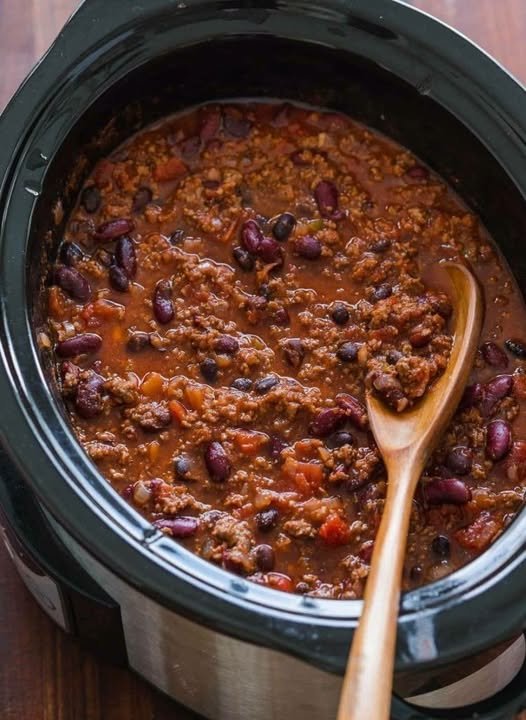
Coming home to a warm, delectable meal that has been cooking quietly all day is a unique experience. Even a typical day feels a little cosier when the kitchen is filled with the rich perfume of tomatoes, garlic, meat, and spices. That, in my opinion, is precisely what makes Slow Cooker Beef and Bean Chilli such a fantastic recipe.
I enjoy preparing this type of dish on chilly evenings, laid-back weekends, or hectic days when I want dinner to be self-sufficient. I originally developed an interest in slow cooker chilli after listening to a friend describe how..
Slow Cooker Beef and Bean Chili: Anti-Inflammatory Comfort Food Recipe
Recipe Description
Slow Cooker Beef and Bean Chili is a hearty, flavorful, protein-rich meal made with lean ground beef, kidney beans, tomatoes, onions, garlic, and warming spices. This easy crockpot chili recipe is perfect for busy weeknights, family dinners, meal prep, and healthy comfort food.
The recipe features ingredients commonly included in an anti-inflammatory eating pattern, including tomatoes, garlic, onions, beans, and spices such as cumin and chili powder. Beans provide fiber, while tomatoes contain lycopene, an antioxidant. Choosing lean beef and controlling sodium can help make this a balanced meal.
Although no single recipe can treat inflammation, this nourishing beef and bean chili can fit into a varied, balanced diet that emphasizes vegetables, legumes, whole foods, and healthy fats.
Preparation Time: 20 minutes
Cooking Time: 6–8 hours on LOW or 3–4 hours on HIGH
Total Time: Approximately 6 hours 20 minutes to 8 hours 20 minutes
Servings: 6
Course: Main Course
Cuisine: American
Cooking Method: Slow Cooker or Crockpot
Dietary Features: High-protein, fiber-rich, meal-prep friendly, gluten-free when using verified gluten-free ingredients
Ingredients
Main Ingredients
- 1½ pounds lean ground beef, preferably 90–93% lean
- 2 cans (15 ounces each) kidney beans, drained and rinsed
- 1 can (15 ounces) black beans, drained and rinsed
- 1 can (28 ounces) crushed tomatoes
- 1 can (14.5 ounces) diced tomatoes, preferably no-salt-added
- 1 medium yellow onion, finely chopped
- 1 medium red bell pepper, diced
- 3 cloves garlic, minced
- 1 cup low-sodium beef broth
- 2 tablespoons tomato paste
- 1 tablespoon extra-virgin olive oil, if needed for browning
Anti-Inflammatory-Inspired Seasonings
- 2 tablespoons chili powder
- 2 teaspoons ground cumin
- 1 teaspoon smoked paprika
- 1 teaspoon dried oregano
- ½ teaspoon ground turmeric, optional
- ¼ teaspoon ground black pepper
- ¼–½ teaspoon cayenne pepper, optional
- ½ teaspoon salt, or to taste
Optional Garnishes
- Chopped fresh cilantro
- Sliced green onions
- Diced avocado
- Plain Greek yogurt
- Fresh lime wedges
- A small amount of shredded cheese
- Freshly chopped jalapeño
Instructions
Step 1: Prepare the Ingredients
Chop the onion and bell pepper, mince the garlic, and rinse and drain the canned beans. Measure the seasonings so everything is ready before cooking.
Step 2: Brown the Ground Beef
Heat a large skillet over medium heat. Add the ground beef and cook for approximately 6–8 minutes, breaking it into small pieces until browned and cooked through.
Drain excess fat if necessary. Browning the beef before slow cooking adds flavor and improves the chili’s texture.
Step 3: Sauté the Aromatics
If needed, add a small amount of olive oil to the skillet. Add the chopped onion and bell pepper and cook for 3–4 minutes until slightly softened.
Stir in the garlic, cumin, smoked paprika, oregano, chili powder, and optional turmeric. Cook for approximately 30 seconds, stirring frequently to release the spices’ aroma.
Step 4: Add Ingredients to the Slow Cooker
Transfer the cooked beef and vegetables to a slow cooker.
Add the kidney beans, black beans, crushed tomatoes, diced tomatoes, tomato paste, and low-sodium beef broth. Stir thoroughly to combine.
Add the black pepper, cayenne pepper, and salt. Mix again so the seasonings are evenly distributed.
Step 5: Slow Cook the Chili
Cover the slow cooker and cook using one of these settings:
- LOW: 6–8 hours
- HIGH: 3–4 hours
Cooking times vary by slow cooker. The chili should be hot throughout, the vegetables tender, and the flavors well combined.
Step 6: Adjust the Consistency
Remove the lid and stir the chili. If it is too thick, add a little extra broth or water. If it is too thin, cook uncovered briefly if your slow cooker permits this, or mash a few beans into the mixture to thicken it naturally.
Taste and adjust the salt, pepper, chili powder, or lime juice as desired.
Step 7: Serve and Enjoy
Ladle the hot beef and bean chili into bowls. Add fresh cilantro, avocado, green onions, or a spoonful of plain Greek yogurt.
Serve immediately while warm.
Tips for the Best Slow Cooker Beef and Bean Chili
- Choose lean ground beef: This provides protein while helping limit saturated fat.
- Use low-sodium ingredients: No-salt-added tomatoes, rinsed canned beans, and low-sodium broth help control sodium intake.
- Include colorful vegetables: Bell peppers, tomatoes, onions, and optional carrots increase the variety of nutrients in the meal.
- Avoid overloading the slow cooker: Follow the manufacturer’s fill guidelines, and keep the lid closed during cooking.
- Make it ahead: Chili often tastes even better the next day because the flavors have additional time to blend.
- Check food safety: Cook ground beef to an internal temperature of 160°F (71°C). Refrigerate leftovers within two hours.
Serving Suggestions
1. Serve with Whole Grains
Pair your chili with brown rice, quinoa, or a small portion of whole-grain bread for a satisfying meal with additional fiber.
2. Add a Fresh Salad
Serve alongside a green salad with leafy greens, cucumber, tomatoes, and an olive oil and lemon dressing.
3. Make a Healthy Chili Bowl
Layer chili over brown rice or quinoa and top with diced avocado, cilantro, and fresh lime juice.
4. Serve with Roasted Vegetables
Roasted broccoli, cauliflower, carrots, or Brussels sprouts make excellent side dishes and add more vegetables to your plate.
5. Prepare a Low-Carbohydrate Meal
Serve the chili on its own or over cauliflower rice. Choose toppings such as avocado, cilantro, and plain Greek yogurt.
6. Create a Family-Friendly Chili Bar
Place toppings in separate bowls so everyone can customize their serving. Offer chopped onions, cheese, avocado, Greek yogurt, jalapeños, and lime wedges.
Recipe Variations
1. Extra-Vegetable Beef Chili
Add 1 cup chopped carrots, zucchini, mushrooms, or celery. These vegetables contribute additional fiber and micronutrients while making the chili more filling.
2. Spicy Beef and Bean Chili
Increase the cayenne pepper or add a chopped jalapeño. Start with a small amount and adjust the heat to your preference.
3. Mediterranean-Inspired Chili
Use extra-virgin olive oil, additional vegetables, oregano, and black pepper. Serve with a fresh cucumber and tomato salad for a Mediterranean-inspired meal.
4. Three-Bean Chili
Replace one of the bean varieties with pinto or cannellini beans. This creates a variety of textures and increases the diversity of legumes in the recipe.
5. Lean Turkey Chili
Replace the ground beef with lean ground turkey. This creates a lighter variation while maintaining a substantial amount of protein.
6. Vegetarian Bean Chili
Omit the beef and use additional beans, mushrooms, diced zucchini, and vegetable broth. Increase the spices to maintain a rich flavor.
7. Extra-Heart-Healthy Chili
Use lean beef, no-salt-added tomatoes, rinsed beans, and low-sodium broth. Add extra vegetables and serve with a leafy green salad.
8. Turmeric and Ginger Variation
Add ½ teaspoon ground turmeric and 1 teaspoon finely grated fresh ginger. These ingredients provide additional flavor and compounds studied for their potential effects on inflammation, although the amounts used in a serving of chili are not a medical treatment.
Anti-Inflammatory Nutrition Benefits
An anti-inflammatory eating pattern generally emphasizes vegetables, fruits, legumes, whole grains, nuts, seeds, and unsaturated fats while limiting highly processed foods and excessive saturated fat.
This chili includes several ingredients that can contribute to that pattern.
Tomatoes: Tomatoes contain lycopene, a carotenoid with antioxidant properties.
Beans: Kidney beans and black beans provide dietary fiber, plant-based protein, folate, potassium, and other nutrients. Fiber supports digestive health and helps nourish beneficial gut bacteria.
Garlic and onions: These vegetables contain sulfur-containing compounds and other plant chemicals that contribute to their nutritional value.
Olive oil: Extra-virgin olive oil supplies monounsaturated fats and polyphenols.
Cumin, oregano, paprika, and turmeric: These spices contain plant compounds that have been investigated for antioxidant and other biological effects. Their presence in a recipe does not guarantee a measurable reduction in inflammation.
Lean beef: Beef provides complete protein, vitamin B12, zinc, and iron. Lean cuts can help balance protein intake while reducing the amount of saturated fat compared with fattier beef.
For an overall balanced meal, combine a moderate portion of chili with vegetables or a whole grain and choose toppings that suit your nutritional needs.
Storage and Meal Prep
Refrigeration: Store leftover chili in shallow, airtight containers and refrigerate within two hours. Use within 3–4 days.
Freezing: Freeze in individual portions in freezer-safe containers for approximately 2–3 months for best quality.
Reheating: Reheat on the stovetop or in the microwave until the center reaches 165°F (74°C), stirring as needed.
Meal prep: Divide the chili into individual portions after cooling and refrigerate or freeze promptly. This makes it convenient for weekday lunches and quick dinners.
Slow cooker safety: Do not use the slow cooker to reheat refrigerated leftovers. Reheat them thoroughly using a stovetop or microwave first.
Frequently Asked Questions
1. Is Slow Cooker Beef and Bean Chili anti-inflammatory?
It can fit into an anti-inflammatory eating pattern because it contains beans, tomatoes, garlic, onions, and spices. Using lean beef, plenty of vegetables, and low-sodium ingredients can further improve its nutritional profile. However, no single food or recipe can prevent or cure inflammation.
2. Is beef chili healthy?
Beef chili can be a nutritious meal because it provides protein, iron, vitamin B12, fiber from beans, and nutrients from tomatoes and vegetables. Its overall nutritional quality depends on the beef’s fat content, portion size, sodium level, and toppings.
3. Can I make this chili without browning the beef?
Browning first improves flavor and allows you to drain excess fat. For the best texture and flavor, brown the beef before adding it to the slow cooker. If using a different method, ensure the ground beef reaches 160°F (71°C) and follow your appliance’s safety instructions.
4. Can I use dried beans instead of canned beans?
Yes, but dried kidney beans require special preparation. Never place raw or inadequately cooked dried kidney beans directly into a slow cooker. They contain phytohaemagglutinin, a naturally occurring toxin that must be destroyed by proper boiling. Soak and boil them according to established food-safety guidance before adding them to the recipe. Canned beans are a convenient alternative.
5. Can I make this recipe ahead of time?
Yes. Prepare the chili a day ahead, refrigerate it promptly, and reheat it thoroughly before serving. You can also freeze individual portions for future meals.
6. How can I make the chili less spicy?
Reduce or omit the cayenne pepper, use mild chili powder, and avoid fresh hot peppers. Add a little extra tomato or broth if needed.
7. What can I use instead of ground beef?
Lean ground turkey, ground chicken, or a combination of beans and mushrooms can work well. Cooking times and the final texture may vary.
8. Is this recipe gluten-free?
The basic ingredients are naturally gluten-free, but check labels on broth, spice blends, canned products, and toppings to confirm they are certified or verified gluten-free if necessary.
9. Is beef and bean chili good for meal prep?
Yes. It stores well, freezes conveniently, and can be portioned for lunches or dinners. Its combination of protein and fiber can help make meals satisfying.
10. How can I reduce the sodium in chili?
Choose no-salt-added canned tomatoes, rinse canned beans thoroughly, use low-sodium broth, and add salt gradually. Fresh herbs, garlic, cumin, paprika, and lime juice can enhance flavor without relying heavily on salt.
Nutrition Information
The following is an approximate estimate per serving, assuming the recipe makes six servings and uses lean ground beef, three cans of beans, tomatoes, and low-sodium broth. Actual values depend on ingredient brands, fat content, and serving size.
- Calories: 400–480 kcal
- Protein: 30–36 g
- Carbohydrates: 35–45 g
- Dietary fiber: 10–14 g
- Total fat: 12–18 g
- Saturated fat: 4–7 g
- Sugar: 7–11 g
- Sodium: 450–750 mg
These values are estimates, not laboratory-tested nutrition facts. Garnishes, extra salt, and serving accompaniments will change the totals.
For more precise results, calculate the nutrition information using the exact brands, ingredient weights, and number of portions you use.
Final Thoughts
Slow Cooker Beef and Bean Chili is an easy, comforting, protein-rich recipe that combines lean beef, beans, tomatoes, and flavorful spices in one convenient meal. It is suitable for family dinners, healthy meal prep, freezer meals, and busy weeknights when you want a satisfying homemade dish.