Desserts made with chocolate have a unique quality. Whether you’re celebrating something amazing, enjoying a peaceful evening at home, or just desiring something sweet after dinner, they have a way of making an average day feel a bit brighter. One of those treats that seems elegant enough for a special event but is surprisingly easy to prepare at home is chocolate mousse, in my opinion.
Serving chocolate mousse in tiny glass glasses with beautiful chocolate shavings on top is something I adore. Without needing hours of preparation, it looks stunning, and that first mouthful of soft,
Anti-Inflammatory Chocolate Mousse Recipe: A Rich, Healthy Chocolate Dessert
Recipe Description
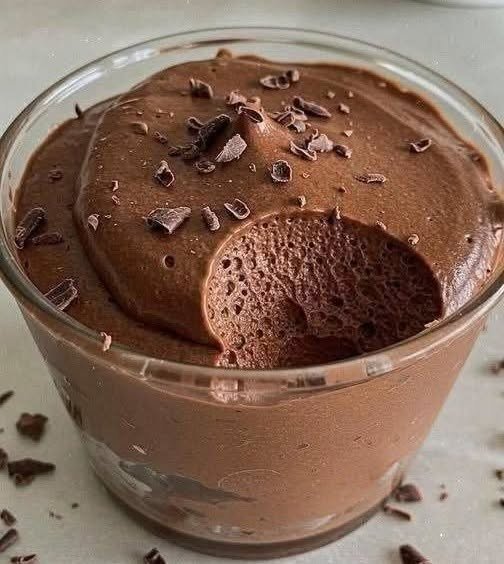
This creamy chocolate mousse is a delicious, velvety dessert inspired by the rich chocolate mousse shown in the original photo. With its smooth texture, deep cocoa flavor, and delicate chocolate shavings, it makes an elegant treat for chocolate lovers.
For a more health-conscious version, this recipe uses dark chocolate, unsweetened cocoa powder, and naturally sweet ingredients. Dark chocolate and cocoa contain flavanols, plant compounds with antioxidant properties that may support cardiovascular health. The recipe can also be adapted to use avocado or Greek yogurt for a creamy texture and a different nutritional profile.
Although no single dessert can eliminate inflammation, choosing minimally processed ingredients and enjoying chocolate in moderation can fit into an overall anti-inflammatory eating pattern.
Recipe at a Glance
- Preparation Time: 15 minutes
- Chilling Time: 1–2 hours
- Total Time: Approximately 1 hour 15 minutes to 2 hours 15 minutes
- Servings: 4
- Course: Dessert
- Cuisine: French-inspired
- Difficulty: Easy
- Flavor: Rich, chocolatey, smooth, and lightly sweet
- Dietary Options: Vegetarian and gluten-free, depending on ingredient labels
- Best For: Dinner parties, healthy dessert menus, special occasions, and make-ahead treats
Ingredients
For the Chocolate Mousse
- 100 g dark chocolate, ideally 70–85% cocoa
- 1 tablespoon unsweetened cocoa powder
- 1 cup (240 ml) heavy whipping cream, cold
- 2–3 tablespoons pure maple syrup or honey, adjusted to taste
- 1 teaspoon pure vanilla extract
- A small pinch of sea salt
Optional Chocolate Toppings
- 1–2 teaspoons dark chocolate shavings
- 1 teaspoon unsweetened cocoa powder for dusting
- A few fresh raspberries or strawberries
- A small pinch of cinnamon
- Chopped walnuts or almonds, if desired
Instructions: How to Make Chocolate Mousse
Step 1: Melt the Dark Chocolate
Chop the dark chocolate into small pieces and place it in a heatproof bowl. Melt gently over a saucepan of simmering water, making sure the bowl does not touch the water. Stir until smooth.
Alternatively, microwave the chocolate in 15–20-second intervals, stirring between each interval.
Allow the melted chocolate to cool until lukewarm but still fluid. Hot chocolate can deflate the cream or create an uneven texture.
Step 2: Prepare the Cocoa Mixture
In a small bowl, combine the unsweetened cocoa powder, vanilla extract, maple syrup or honey, and sea salt. Stir until smooth.
Add the cooled melted chocolate and mix thoroughly. If the mixture becomes too thick, stir in one tablespoon of cream to loosen it.
Step 3: Whip the Cream
Pour the cold heavy cream into a clean mixing bowl. Using a hand mixer or whisk, beat until soft to medium peaks form.
The cream should hold its shape while remaining smooth and airy. Avoid overwhipping, as this can make the mousse grainy.
Step 4: Fold Everything Together
Add approximately one-third of the whipped cream to the chocolate mixture and stir gently to lighten it.
Add the remaining whipped cream in two portions. Fold with a spatula using slow, sweeping movements until the mixture is evenly combined.
Avoid vigorous stirring because preserving the air in the whipped cream creates the mousse’s light, fluffy texture.
Step 5: Portion the Mousse
Spoon the chocolate mousse into four small dessert glasses, ramekins, or serving bowls.
Smooth the tops with the back of a spoon for a polished presentation.
Step 6: Chill Until Set
Cover and refrigerate for at least 1–2 hours, or until the mousse is chilled and holds its shape.
Step 7: Garnish and Serve
Finish with dark chocolate shavings, a light dusting of cocoa powder, or fresh berries.
Serve chilled for the best creamy texture and rich chocolate flavor.
Tips for a Perfect Chocolate Mousse
- Choose quality dark chocolate: Chocolate with 70–85% cocoa provides an intense flavor and generally contains less sugar than milk chocolate.
- Use room-temperature melted chocolate: Chocolate that is too hot can melt the whipped cream, while chocolate that is too cool may harden into small pieces.
- Fold gently: Gentle folding helps maintain the airy consistency of traditional chocolate mousse.
- Adjust sweetness gradually: Dark chocolate varies in bitterness, so start with two tablespoons of sweetener and taste before adding more.
- Use unsweetened cocoa: This lets you control the amount of added sugar.
- Chill before serving: Refrigeration helps the mousse develop its flavor and texture.
Why Choose Dark Chocolate for an Anti-Inflammatory Eating Pattern?
Dark chocolate and unsweetened cocoa contain flavanols and other polyphenols that have antioxidant activity. Research suggests that cocoa flavanols may support blood vessel function, although the effects depend on the product, its flavanol content, and the amount consumed.
For a more balanced dessert:
- Choose dark chocolate with a high cocoa percentage.
- Keep added sugar moderate.
- Use small portions and enjoy the dessert mindfully.
- Pair the mousse with antioxidant-rich berries.
- Consider an avocado-based variation if you want to include more unsaturated fats and fiber.
Important: This dessert is not a treatment for chronic inflammation or an anti-inflammatory medication substitute. Its healthfulness depends on the ingredients, serving size, and your overall dietary pattern.
Serving Suggestions
1. Serve in Elegant Dessert Glasses
Use small glass cups to highlight the mousse’s rich chocolate color and smooth texture. Add chocolate curls just before serving for a restaurant-style finish.
2. Pair with Fresh Berries
Raspberries, blueberries, and strawberries add freshness, natural sweetness, and additional plant compounds that complement dark chocolate.
3. Serve After Dinner
Offer a small portion after a meal featuring vegetables, whole grains, legumes, fish, or other lean proteins for a balanced menu.
4. Create a Chocolate Dessert Platter
Serve the mousse alongside sliced strawberries, orange segments, toasted nuts, and a few squares of dark chocolate.
5. Make It a Special Occasion Dessert
Layer the mousse with fresh berries in individual glasses for dinner parties, birthdays, Valentine’s Day, or holiday meals.
Recipe Variations
1. Healthy Avocado Chocolate Mousse
For a dairy-free version with fiber and unsaturated fats, replace the whipped cream and melted chocolate with:
- 2 ripe avocados
- 3 tablespoons unsweetened cocoa powder
- 3–4 tablespoons maple syrup
- 1 teaspoon vanilla extract
- 3–5 tablespoons unsweetened almond milk, as needed
- A pinch of sea salt
Blend all ingredients until completely smooth. Adjust the almond milk gradually until the mixture reaches your preferred consistency. Refrigerate for 1–2 hours before serving.
This version is naturally dairy-free when suitable ingredients are used. Its texture is denser than traditional mousse, and the avocado flavor may be slightly noticeable.
2. Greek Yogurt Chocolate Mousse
For a higher-protein alternative, combine:
- 1 cup plain Greek yogurt
- 2 tablespoons unsweetened cocoa powder
- 1–2 tablespoons maple syrup
- 30–40 g melted, cooled dark chocolate
- 1 teaspoon vanilla extract
Whisk until smooth and refrigerate for at least 30 minutes.
This variation is tangy, creamy, and generally higher in protein than the traditional recipe, although exact nutrition depends on the yogurt and chocolate used.
3. Vegan Chocolate Mousse
Replace the dairy cream with chilled coconut cream and use dairy-free dark chocolate.
Whip the thick coconut cream until fluffy, then fold it into the cooled chocolate mixture. Refrigerate until set.
Check the chocolate label to ensure it contains no milk ingredients.
4. Sugar-Free or Lower-Sugar Chocolate Mousse
Use unsweetened cocoa and a suitable non-sugar sweetener, such as stevia or monk fruit, according to the product’s conversion instructions.
Choose unsweetened or appropriately labeled reduced-sugar chocolate. Remember that dark chocolate naturally contains some sugar unless specifically formulated otherwise.
5. Chocolate Cinnamon Mousse
Add ¼ teaspoon ground cinnamon to the cocoa mixture. Cinnamon contributes a warm flavor that complements dark chocolate without requiring additional sugar.
6. Chocolate Peanut Butter Mousse
Fold 1 tablespoon natural peanut butter into the cooled chocolate mixture before adding the whipped cream.
This creates a richer flavor and adds some protein and unsaturated fat, but it also increases the calorie content.
7. Chocolate Chia Mousse
Blend 2 tablespoons chia seeds with ½ cup milk of choice, 2 tablespoons cocoa powder, and a small amount of sweetener. Refrigerate for several hours until thick, then blend for a smoother texture if desired.
This variation adds fiber and has a pudding-like consistency rather than the airy texture of classic mousse.
Storage and Food Safety
- Store the traditional mousse in covered containers in the refrigerator at 4°C (40°F) or below.
- For best quality, consume within 2–3 days.
- Avoid leaving dairy-based mousse at room temperature for more than two hours, or one hour in temperatures above 32°C (90°F).
- Keep toppings separate until serving if you want them to remain crisp.
- Freezing may change the texture after thawing, so refrigeration is preferable for the traditional version.
- If using homemade mousse containing raw eggs in another variation, use pasteurized eggs and follow appropriate food-safety guidance. This recipe does not require raw eggs.
Estimated Nutrition Information
The following estimates are for one serving of the traditional recipe made with 100 g dark chocolate, 240 ml heavy whipping cream, and 2 tablespoons maple syrup, divided into four portions.
- Calories: Approximately 400–450 kcal
- Protein: Approximately 4–6 g
- Total Fat: Approximately 35–39 g
- Saturated Fat: Approximately 20–24 g
- Total Carbohydrates: Approximately 20–25 g
- Total Sugars: Approximately 14–19 g
- Dietary Fiber: Approximately 3–5 g
- Sodium: Approximately 30–70 mg
These are estimates, not laboratory-tested values. Actual nutrition depends on the chocolate brand, cocoa percentage, cream composition, and sweetener used. Optional toppings are not included.
For a lighter dessert: Reduce the serving size or try the Greek yogurt variation. Replacing heavy cream with yogurt can lower the saturated fat content, depending on the products selected.
Frequently Asked Questions
Is chocolate mousse anti-inflammatory?
Dark chocolate and cocoa contain polyphenols, including flavanols, that have antioxidant properties. However, traditional chocolate mousse also contains substantial saturated fat and calories. It is best considered an occasional dessert that can fit into a balanced dietary pattern rather than a proven anti-inflammatory treatment.
What is the best chocolate for a healthier mousse?
Dark chocolate containing approximately 70–85% cocoa is a useful choice because it often contains less sugar than milk chocolate. Higher cocoa percentage does not automatically guarantee a high flavanol content, since processing methods affect flavanol levels.
Can I make chocolate mousse without heavy cream?
Yes. Try Greek yogurt for a tangier, protein-rich version, or ripe avocado for a dairy-free version with fiber and unsaturated fats. The final texture will differ from classic mousse.
Is dark chocolate good for inflammation?
Cocoa flavanols have been studied for their antioxidant and cardiovascular effects. Evidence does not establish that eating dark chocolate treats inflammatory diseases, and benefits depend on the amount, product composition, and broader diet.
Can I make this recipe without refined sugar?
Yes. Use a small amount of maple syrup or honey, or choose a suitable non-sugar sweetener. Maple syrup and honey are still added sugars and should be used in moderation.
Is chocolate mousse gluten-free?
The basic recipe is naturally gluten-free when all ingredients are free from gluten-containing additives and cross-contact. Always check labels if you have celiac disease or a serious gluten sensitivity.
Can I make chocolate mousse ahead of time?
Yes. Prepare it the day before serving and keep it refrigerated in covered individual glasses. Add berries, nuts, and chocolate shavings shortly before serving.
Can I eat chocolate mousse on a weight-loss diet?
Yes, if it fits your overall energy needs. Traditional mousse is calorie-dense, so smaller servings or yogurt-based alternatives may be more suitable if you’re managing calorie intake.
What can I serve with chocolate mousse?
Fresh berries, sliced oranges, toasted almonds, pistachios, or a small cup of unsweetened coffee pair well with its rich chocolate flavor.
How can I make chocolate mousse more nutritious?
Use high-cocoa dark chocolate, limit added sweetener, serve a smaller portion, and add berries or nuts. For more protein, consider the Greek yogurt version.
Final Thoughts
This anti-inflammatory-inspired chocolate mousse offers a rich, creamy way to enjoy dark chocolate while making thoughtful ingredient choices. Its deep cocoa flavor, airy texture, and elegant presentation make it suitable for everyday treats and special occasions alike.