
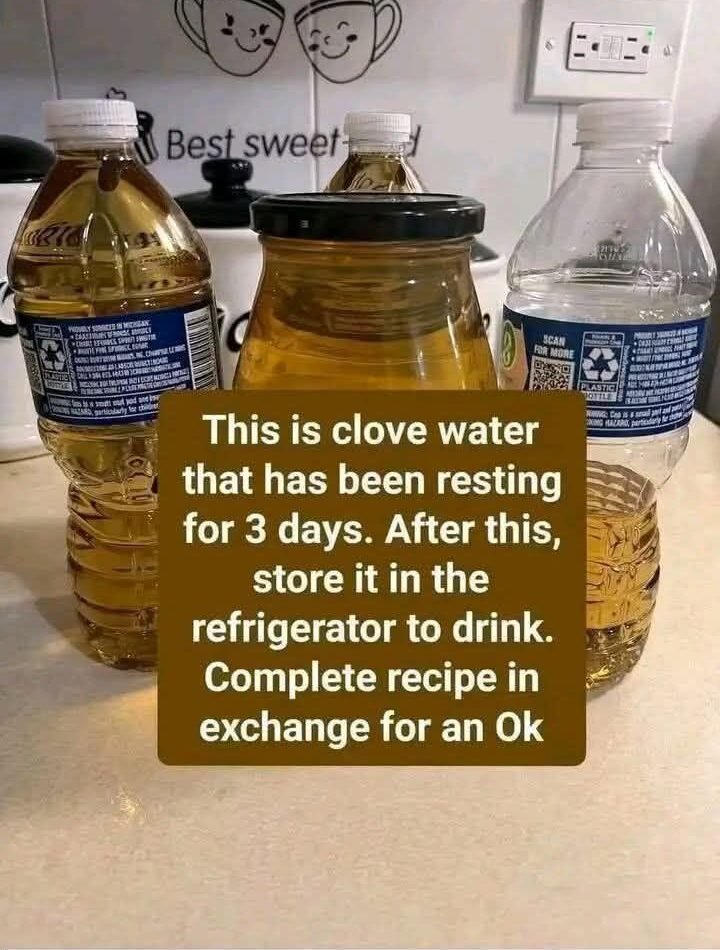
Simple handmade drinks have a unique quality. Sometimes all it takes to create the best dishes in our kitchen is a few simple ingredients and a little perseverance. Clove Water, sometimes referred to as Laung Water, is one such preparation.
After hearing a friend discuss the traditional advantages of soaking cloves in water, I became intrigued in this recipe. I liked how easy it sounded. No pricey goods, no complex components, and no specialised tools. Just pure drinking water and whole cloves!
Clove Water Recipe for Anti-Inflammatory Benefits – Easy Homemade Clove Water
Description
Clove Water is a simple, natural herbal drink made by soaking or simmering whole cloves in water. Known for its warm aroma and distinctive flavor, clove water is traditionally used as a home remedy to support digestion, oral health, and general wellness.
Cloves contain eugenol, a naturally occurring plant compound with antioxidant and anti-inflammatory properties demonstrated in laboratory studies. This makes clove water an interesting addition to a balanced wellness routine.
If you’re looking for an easy homemade herbal drink, this Clove Water Recipe requires just two ingredients and a few minutes of preparation.
Recipe Name: Clove Water (Laung Water)
Preparation Time: 5 minutes
Steeping Time: 30 minutes
Cooking Time: 5–10 minutes
Total Time: 40–45 minutes
Servings: 4 cups
Course: Herbal Drink
Cuisine: Natural Wellness
Diet: Vegan, Gluten-Free, Dairy-Free
Main Ingredient: Whole Cloves
Ingredients
- 1 teaspoon whole cloves (approximately 10–15 cloves)
- 4 cups drinking water
- 1 teaspoon honey (optional)
- 1 teaspoon fresh lemon juice (optional)
Instructions – How to Make Clove Water
Step 1: Prepare the Cloves
Take approximately 10–15 whole cloves. Rinse them briefly with clean water to remove any dust or impurities.
Step 2: Boil the Water
Pour 4 cups of drinking water into a saucepan and bring it to a gentle boil.
Step 3: Add the Cloves
Add the whole cloves to the boiling water. Reduce the heat and simmer for approximately 5–10 minutes.
Step 4: Allow It to Steep
Turn off the heat, cover the saucepan, and allow the cloves to steep for another 20–30 minutes. The water will develop a light golden-brown color.
Step 5: Strain the Water
Strain the mixture to remove the cloves. Allow the drink to cool.
Step 6: Store Properly
Transfer the cooled clove water into a clean, covered glass container and refrigerate promptly.
Important food safety note: Do not leave homemade clove water at room temperature for three days, as suggested in some social media recipes. Refrigerate it promptly and preferably prepare fresh batches daily.
Step 7: Serve and Enjoy
Enjoy a small cup of clove water at room temperature or slightly warm. Add honey or lemon if desired.
Potential Health Benefits of Clove Water
Cloves have traditionally been used in herbal wellness practices. They contain eugenol and other antioxidant compounds.
Some potential benefits include:
- Antioxidant Support: Cloves contain compounds that help protect cells against oxidative stress.
- Anti-Inflammatory Properties: Eugenol has demonstrated anti-inflammatory activity in laboratory research. However, drinking clove water has not been proven to treat chronic inflammation in humans.
- Digestive Wellness: Cloves have traditionally been used to support digestion and relieve occasional digestive discomfort, although clinical evidence for clove water is limited.
- Oral Health: Clove preparations have a long history of traditional dental use. Clove water should not replace brushing, flossing, or professional dental care.
- General Wellness: Unsweetened clove water can be a flavorful, caffeine-free alternative to sugary beverages.
Serving Suggestions
Here are some simple ways to enjoy homemade clove water:
- Drink one small cup warm in the morning.
- Enjoy it after meals as a caffeine-free herbal beverage.
- Serve chilled with lemon slices during warm weather.
- Add a little honey for natural sweetness.
- Pair it with a healthy breakfast or light afternoon snack.
Variations of Clove Water
1. Clove and Ginger Water
Add 2–3 slices of fresh ginger while simmering the cloves. This creates a warming herbal drink.
2. Clove and Cinnamon Water
Add a small cinnamon stick for a naturally sweet and aromatic flavor.
3. Clove and Lemon Water
Add fresh lemon juice after the drink has cooled for a refreshing citrus flavor.
4. Clove and Honey Water
Mix in a teaspoon of honey once the drink is comfortably warm.
5. Cold Clove Infused Water
Prepare the recipe, cool it, and refrigerate it promptly. Serve over ice with lemon slices.
Nutrition Information
Approximate nutritional values per serving (1 cup), without honey or other additions:
- Calories: 2–5 kcal
- Carbohydrates: Less than 1 g
- Protein: 0 g
- Fat: 0 g
- Sugar: 0 g
- Fiber: Negligible
- Sodium: Negligible
Values vary depending on the number of cloves used and how long they are steeped.
Important Precautions
Although cloves are commonly used as a culinary spice, concentrated clove products are not suitable for everyone.
- Avoid consuming large quantities of clove preparations.
- Clove water is not a proven treatment for arthritis, chronic inflammation, diabetes, or other medical conditions.
- Eugenol may affect blood clotting. Consult your healthcare professional if you take blood-thinning medication or have a bleeding disorder.
- If you have liver disease, are pregnant or breastfeeding, or take regular medication, consult a healthcare professional before using concentrated clove preparations regularly.
- Stop drinking it if you experience an allergic reaction or stomach discomfort.
- Avoid swallowing clove essential oil, which is much more concentrated than clove-infused water.
Frequently Asked Questions (FAQs)
1. What is Clove Water good for?
Clove water is a traditional herbal beverage containing antioxidant compounds. It may be enjoyed as part of a balanced diet, but its specific health benefits in humans have not been established.
2. Does Clove Water reduce inflammation?
Cloves contain eugenol, which has demonstrated anti-inflammatory effects in laboratory studies. However, there is insufficient clinical evidence that drinking clove water reduces inflammation in the human body.
3. Can I drink Clove Water every day?
Small culinary-strength servings may be tolerated by many healthy adults. However, there is no established safe or effective daily medicinal dose. Avoid excessive consumption.
4. Can I drink Clove Water on an empty stomach?
You can try a small serving if you tolerate it well. However, there is no scientific evidence that drinking it on an empty stomach provides additional health benefits.
5. How long should cloves soak in water?
For this recipe, simmer the cloves for 5–10 minutes and allow them to steep for another 20–30 minutes.
6. Can I store Clove Water for three days?
Do not leave it at room temperature for three days. Refrigerate it promptly in a clean, covered container. For the best quality, prepare fresh clove water daily.
7. Can Clove Water help with weight loss?
Clove water is very low in calories when consumed without sweeteners. However, there is no reliable clinical evidence that it directly burns fat or causes weight loss.
8. Can I add ginger and cinnamon to Clove Water?
Yes! Ginger and cinnamon complement the flavor of cloves and create a delicious warming herbal beverage.
Final Thoughts
Clove Water is an easy, affordable, and flavorful homemade herbal drink that requires only two basic ingredients. Its natural plant compounds, including eugenol, make cloves an interesting ingredient to include in a balanced diet.