Some recipes are special for reasons that go beyond their ingredients. They bring back memories of family gatherings, the comforting aroma of spices filling the kitchen, and those quiet moments when we finally slow down and do something kind for ourselves.
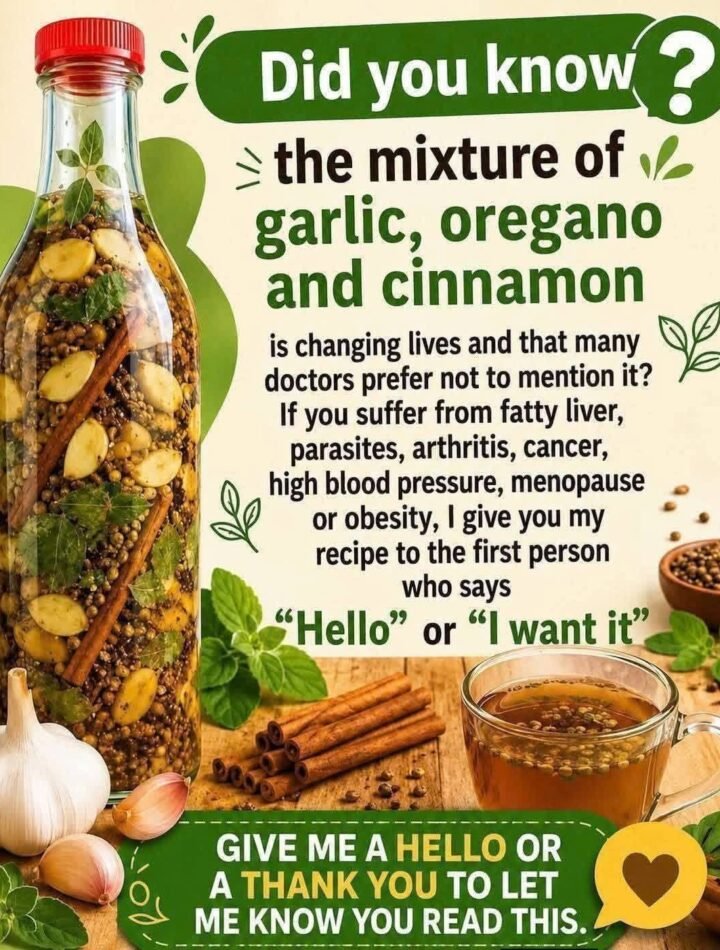
Garlic, oregano, and cinnamon are three familiar ingredients that many of us already have in our kitchens. Each has its own unique aroma and flavor. Garlic adds a bold, earthy note, oregano brings a fresh herbal fragrance, and cinnamon offers a gentle warmth with a hint of sweetness.
Garlic, Oregano, and Cinnamon Herbal Mixture: Recipe, Benefits, Nutrition, and Preparation Guide
Introduction
Garlic, oregano, and cinnamon are popular culinary ingredients known for their distinctive flavors and naturally occurring plant compounds. When combined in a warm herbal infusion, they create a flavorful drink that can be enjoyed as part of a balanced diet.
This garlic, oregano, and cinnamon herbal mixture is easy to prepare at home using common kitchen ingredients. It may complement a healthy lifestyle, but it is important to understand that there is no reliable scientific evidence that this specific mixture treats fatty liver disease, parasites, arthritis, cancer, high blood pressure, menopause symptoms, or obesity.
Recipe Overview
- Preparation time: 5 minutes
- Cooking time: 10–15 minutes
- Total time: Approximately 20 minutes
- Servings: 2 cups
- Recipe type: Herbal infusion
- Dietary suitability: Naturally vegan, dairy-free, and gluten-free when prepared with suitable ingredients
- Best enjoyed: Warm, as part of a balanced diet
Ingredients
- 2 cups (480 ml) water
- 1–2 garlic cloves, peeled and lightly crushed
- 1 teaspoon dried oregano or 1 tablespoon fresh oregano leaves
- 1 small cinnamon stick, approximately 2–3 inches long
- 1 teaspoon fresh lemon juice, optional
- 1 teaspoon honey, optional
Optional ingredient: A few thin slices of fresh ginger can be added for extra flavor.
Instructions: How to Make Garlic, Oregano, and Cinnamon Tea
- Prepare the ingredients. Peel and lightly crush the garlic cloves to release their aroma. Measure the oregano and prepare the cinnamon stick.
- Heat the water. Pour 2 cups of water into a small saucepan and bring it to a gentle boil.
- Add the ingredients. Add the crushed garlic and cinnamon stick to the water. Reduce the heat and simmer gently for 5–8 minutes.
- Add the oregano. Stir in the oregano, cover the saucepan, and let the mixture steep for another 3–5 minutes.
- Strain the infusion. Remove the saucepan from the heat and strain the liquid into two cups.
- Adjust the flavor. Add lemon juice or a small amount of honey if desired. Allow the drink to cool to a comfortable temperature before serving.
- Serve fresh. Enjoy the infusion warm. Start with a small serving if you are unfamiliar with its strong flavor.
Description and Flavor Profile
This homemade herbal infusion combines the pungent taste of garlic, the earthy aroma of oregano, and the warm sweetness of cinnamon.
Garlic gives the drink a savory character, oregano contributes an aromatic herbal flavor, and cinnamon adds warmth. Lemon juice can brighten the flavor, while honey can soften its sharpness.
The result is a warming, spice-infused beverage that can be enjoyed as an occasional alternative to sweetened drinks.
Potential Health Benefits of Garlic, Oregano, and Cinnamon
1. Garlic and Cardiovascular Health
Garlic contains sulfur-containing compounds, including allicin-related compounds, that have been studied for their potential effects on cardiovascular health.
Some research suggests that certain garlic preparations may modestly affect blood pressure or cholesterol levels. However, results vary by preparation and individual, and drinking garlic tea is not equivalent to taking a studied garlic supplement.
Important: Garlic tea should not replace prescribed blood pressure or cholesterol medication.
2. Oregano and Antioxidant Compounds
Oregano contains naturally occurring plant compounds, including carvacrol, thymol, and various polyphenols.
These compounds have demonstrated antioxidant or antimicrobial activity in laboratory studies. However, laboratory findings do not establish that drinking oregano tea prevents or treats infections in humans.
3. Cinnamon and Blood Sugar Research
Cinnamon contains aromatic compounds and polyphenols that have been investigated for their possible effects on blood glucose regulation.
Research on cinnamon supplements and blood sugar has produced mixed results. The benefits of a homemade cinnamon infusion are uncertain, and it should not be used as a substitute for diabetes treatment.
4. Anti-Inflammatory Potential
Garlic, oregano, and cinnamon contain compounds that have been studied for possible anti-inflammatory activity.
However, much of this evidence comes from laboratory or animal studies, or from research using concentrated extracts. There is insufficient evidence to conclude that this particular herbal drink meaningfully reduces inflammation or treats inflammatory diseases.
5. Digestive Comfort
A warm herbal drink may feel soothing and help increase fluid intake. Some people enjoy the aromatic ingredients after a meal.
However, garlic can cause gas, bloating, heartburn, or stomach discomfort, particularly in sensitive individuals. This mixture is not a proven treatment for digestive disorders or intestinal parasites.
6. Weight Management
This infusion is low in calories when prepared without honey or other sweeteners. Replacing a sugary beverage with an unsweetened herbal drink may help reduce overall calorie intake.
Nevertheless, the drink does not have established fat-burning or weight-loss properties. Sustainable weight management depends on overall eating habits, physical activity, sleep, and other health factors.
7. Liver Health
Garlic and cinnamon have been investigated for several metabolic effects, but this does not demonstrate that their combination treats fatty liver disease.
For metabolic dysfunction-associated steatotic liver disease (MASLD), formerly commonly called nonalcoholic fatty liver disease, evidence-based care may include dietary changes, physical activity, weight management when appropriate, and treatment of related metabolic conditions.
Do not rely on this infusion to detoxify the liver or reverse liver disease.
Serving Suggestions
- Morning beverage: Enjoy a small cup with breakfast if it agrees with your stomach.
- After a meal: Serve it warm as an unsweetened alternative to sugary beverages.
- With a light snack: Pair it with whole-grain toast, fresh fruit, or a handful of unsalted nuts.
- During cold weather: Add a slice of lemon and a small amount of honey for a warming drink.
- As part of a balanced routine: Combine it with a varied diet rich in vegetables, fruits, legumes, whole grains, and healthy fats.
There is no established best time to drink this infusion, and drinking it on an empty stomach does not provide a proven additional health benefit.
Recipe Variations
1. Garlic, Oregano, and Cinnamon with Ginger
Add 2–3 thin slices of fresh ginger while simmering the garlic and cinnamon. This variation has a stronger, warming flavor.
2. Lemon Herbal Infusion
Add 1–2 teaspoons of fresh lemon juice after straining. Lemon provides a refreshing citrus flavor without adding significant calories.
3. Mild Cinnamon and Oregano Tea
Use one small cinnamon stick, a modest amount of oregano, and only half a garlic clove. This produces a milder drink for those who find the original recipe too strong.
4. Caffeine-Free Evening Drink
Prepare the infusion without caffeine-containing ingredients and omit the honey if you prefer to limit added sugars. Be aware that garlic and spices may aggravate reflux in some people, so this may not be suitable immediately before bed.
5. Culinary Garlic and Oregano Broth
Use the same ingredients as a starting point for a savory broth. Add vegetable stock, chopped vegetables, and black pepper, then simmer until the vegetables are tender. This makes the ingredients part of a more substantial meal rather than a concentrated herbal remedy.
Nutrition Information
The following is an approximate estimate for one cup, assuming the recipe makes two servings and the strained liquid is consumed without honey or lemon. Actual values vary with ingredient size, steeping time, and how much of the ingredients enters the liquid.
- Calories: Approximately 2–8 kcal
- Carbohydrates: Approximately 0.3–1.5 g
- Protein: Approximately 0.1–0.3 g
- Fat: Approximately 0–0.1 g
- Fiber: Usually negligible in the strained drink
- Added sugar: 0 g
- Sodium: Naturally very low unless salt is added
These figures are estimates rather than laboratory-tested nutrition values. They describe the strained infusion, not the full nutritional content of eating the garlic, oregano, and cinnamon.
Adding one teaspoon of honey to the entire recipe adds approximately 21 calories and 5–6 grams of carbohydrates to the batch.
Safety Precautions and Possible Side Effects
Although these ingredients are commonly used in food, medicinal use and concentrated preparations require additional caution.
- Blood-thinning medication: Garlic supplements can increase bleeding risk, particularly when combined with anticoagulants or antiplatelet medications. Ask your healthcare professional about regular use if you take these medicines.
- Blood pressure or diabetes medication: Concentrated garlic or cinnamon preparations may affect blood pressure or blood glucose. Monitor appropriately and consult your healthcare professional before using them medicinally.
- Liver concerns: Cassia cinnamon contains coumarin, which can be harmful to the liver in sufficiently high or prolonged doses. If you have liver disease, avoid using large amounts of cinnamon as a remedy and discuss regular use with your clinician. Ceylon cinnamon generally contains much less coumarin.
- Digestive sensitivity: Garlic and spices can cause heartburn, nausea, abdominal discomfort, or bloating.
- Pregnancy and breastfeeding: Culinary quantities are generally different from medicinal doses. Seek professional advice before regularly consuming concentrated herbal preparations.
- Allergies: Avoid any ingredient that has previously caused an allergic reaction.
- Surgery: Tell your healthcare team about garlic supplements or concentrated herbal products before a planned procedure.
Do not use this drink to treat cancer, parasites, arthritis, fatty liver disease, obesity, or high blood pressure in place of established medical care. Seek appropriate medical evaluation for persistent symptoms or diagnosed conditions.
Frequently Asked Questions
1. Can garlic, oregano, and cinnamon reduce inflammation?
These ingredients contain compounds studied for possible anti-inflammatory effects, but evidence is insufficient to establish that this homemade infusion treats inflammation or inflammatory diseases.
2. Can this mixture cure fatty liver disease?
No. There is no reliable clinical evidence that this recipe cures or reverses fatty liver disease. Discuss diagnosis, monitoring, and treatment with a qualified healthcare professional.
3. Does this drink eliminate intestinal parasites?
There is no good clinical evidence that drinking this mixture eliminates intestinal parasites. Suspected parasitic infections require appropriate testing and, when indicated, proven antiparasitic medication.
4. Can it lower high blood pressure?
Some garlic preparations have been associated with modest blood pressure reductions in research, but this particular drink has not been established as an effective treatment. Continue prescribed medication unless your clinician advises otherwise.
5. Is this recipe good for weight loss?
It can fit into a weight-management plan as a low-calorie beverage, especially when consumed without sweeteners. It does not independently cause significant or reliable weight loss.
6. How often can I drink it?
There is no scientifically established therapeutic dose or optimal drinking schedule for this combination. If you are a healthy adult who tolerates the ingredients, an occasional small cup prepared with culinary quantities may be reasonable. Seek medical advice before regular medicinal use, especially if you have a chronic condition or take medication.
7. Can I drink it every morning on an empty stomach?
There is no evidence that taking this drink on an empty stomach improves its health effects. It may cause stomach irritation or reflux, so drinking it with food or avoiding it may be preferable if you are sensitive.
8. Can I prepare a large batch and store it?
For best quality, prepare it fresh when practical. If you make extra, refrigerate it promptly in a clean, covered container and use it within 3–4 days. Reheat only the portion you need, and discard it if it develops an unusual smell, appearance, or signs of spoilage.
9. Is fresh oregano better than dried oregano?
Both can be used. Dried oregano has a more concentrated flavor by volume, so a smaller quantity is generally needed. Neither form has been shown to make this particular mixture a proven medical treatment.
10. Which cinnamon is preferable?
Ceylon cinnamon is generally lower in coumarin than Cassia cinnamon, making it a reasonable choice for people concerned about repeated cinnamon exposure. People with liver disease should consult their healthcare professional before using cinnamon regularly in medicinal amounts.
Final Thoughts
Garlic, oregano, and cinnamon herbal infusion is a simple, aromatic recipe that can add variety to a healthy daily routine. Its ingredients provide flavor and naturally occurring plant compounds, and the unsweetened drink is generally low in calories.