
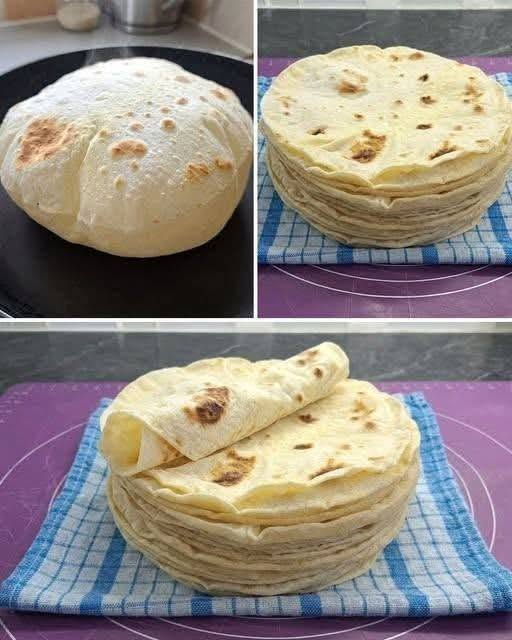
There is nothing quite like the smell of freshly baked bread filling the kitchen. I love how a simple homemade recipe can turn an ordinary meal into something special. Soft, warm, and slightly golden, Homemade Pita Bread is one of those recipes that always brings comfort to the table.
I first thought about making pita bread at home after a friend suggested giving it a try instead of buying ready-made flatbread. Honestly, I wasn’t sure I could get those lovely air-filled pockets and soft, fluffy layers that make pita bread so delicious. But once I tried it, I realized that making it from scratch was much easier than I had imagined..
Homemade Pita Bread – Soft, Fluffy, Healthy & Anti-Inflammatory Flatbread
Description
Homemade Pita Bread is a delicious, soft, fluffy, and versatile flatbread that you can easily prepare in your own kitchen using simple pantry ingredients. These homemade flatbreads puff up beautifully while cooking, creating a light texture that makes them perfect for sandwiches, wraps, dipping, and serving alongside your favorite meals.
This easy Homemade Pita Bread recipe is made with wholesome flour, extra virgin olive oil, yeast, and a few basic ingredients. For a more nutritious option, you can use whole wheat flour, which provides additional dietary fiber and nutrients.
If you’re following an anti-inflammatory eating pattern, choosing whole grains, using olive oil, and limiting highly processed ingredients can help make this bread a more wholesome addition to a balanced diet.
Whether you’re preparing a healthy family dinner, Mediterranean-inspired meal, or homemade sandwich, this easy pita bread recipe is a wonderful alternative to many store-bought breads.
Preparation Time and Serving
- Preparation Time: 20 minutes
- Rising Time: 60–90 minutes
- Cooking Time: 20 minutes
- Total Time: Approximately 2 hours
- Servings: 8 pita breads
- Cuisine: Mediterranean / Middle Eastern
- Course: Breakfast, Lunch, Dinner, Side Dish
- Difficulty: Easy
Ingredients for Homemade Pita Bread
- 2 cups whole wheat flour (or all-purpose flour)
- 1 cup all-purpose flour
- 1 teaspoon instant yeast
- 1 teaspoon honey (optional)
- 1 teaspoon salt
- 1 tablespoon extra virgin olive oil
- 1 cup warm water (approximately, adjust as needed)
Optional ingredients:
- 1 tablespoon ground flaxseed
- 1 tablespoon sesame seeds
- ½ teaspoon dried oregano
- ¼ teaspoon ground turmeric
Instructions: How to Make Homemade Pita Bread
Step 1: Prepare the Yeast
In a mixing bowl, combine warm water, yeast, and honey. Stir gently and let the mixture sit for approximately 5–10 minutes if using active dry yeast, until foamy.
If using instant yeast, you can mix it directly with the flour.
Step 2: Mix the Dry Ingredients
In a large bowl, combine whole wheat flour, all-purpose flour, and salt.
Add optional ground flaxseed or dried herbs if desired.
Mix everything thoroughly.
Step 3: Prepare the Dough
Add the yeast mixture and extra virgin olive oil to the dry ingredients.
Mix until a soft dough forms.
If the dough feels too dry, add a little warm water. If it feels excessively sticky, sprinkle in a little additional flour.
Step 4: Knead the Dough
Transfer the dough to a lightly floured surface.
Knead for approximately 8–10 minutes until it becomes smooth, elastic, and soft.
Proper kneading helps develop gluten, which allows the pita bread to puff during cooking.
Step 5: Let the Dough Rise
Place the dough in a lightly oiled bowl.
Cover with a clean kitchen towel or plastic wrap.
Allow it to rise in a warm place for 60–90 minutes, or until approximately doubled in size.
Step 6: Divide the Dough
Gently press down the risen dough to remove excess air.
Divide it into 8 equal portions.
Shape each portion into a smooth ball and let the dough balls rest for 10 minutes.
Step 7: Roll Out the Pita Bread
Using a rolling pin, roll each dough ball into a round flatbread approximately 6–7 inches in diameter.
Keep the thickness even throughout the bread.
Avoid rolling the dough too thin, as this can prevent it from puffing properly.
Step 8: Cook the Pita Bread
Heat a heavy-bottomed skillet or cast-iron pan over medium-high heat.
Place one rolled pita onto the hot, dry pan.
Cook for approximately 30–60 seconds until bubbles begin forming.
Flip and cook the other side for another 30–60 seconds.
Flip again if necessary. The pita should puff up beautifully.
Step 9: Keep the Bread Soft
Remove the cooked pita bread and place it inside a clean kitchen towel.
Cover immediately to retain moisture and softness.
Repeat with the remaining dough portions.
Step 10: Serve and Enjoy
Stack the warm Homemade Pita Bread on a serving plate.
Serve with hummus, fresh vegetables, grilled chicken, Mediterranean salads, or your favorite healthy dips.
Enjoy your freshly prepared, soft, fluffy homemade flatbread!
Anti-Inflammatory Benefits and Healthy Ingredients
This Homemade Pita Bread recipe can be adapted to fit an anti-inflammatory eating pattern.
Here are some nutritious ingredients to consider:
1. Whole Wheat Flour
Whole wheat flour contains dietary fiber, vitamins, minerals, and plant compounds. Choosing whole grains instead of refined grains can support digestive health and overall metabolic health.
2. Extra Virgin Olive Oil
Olive oil contains monounsaturated fats and beneficial plant compounds called polyphenols. It is a popular ingredient in Mediterranean-style eating patterns.
3. Ground Flaxseed
Flaxseed provides plant-based omega-3 fatty acids, fiber, and lignans. Adding a small amount can increase the nutritional value of your homemade bread.
4. Turmeric
Turmeric contains curcumin, a naturally occurring plant compound that has been studied for its potential anti-inflammatory properties.
5. Sesame Seeds
Sesame seeds provide healthy fats, minerals, fiber, and antioxidant compounds.
Remember that no single bread can prevent or treat inflammation. The overall quality of your daily diet and lifestyle matters most.
Serving Suggestions
Homemade Pita Bread is incredibly versatile. Here are some delicious ways to enjoy it:
- With Hummus: Serve warm pita bread with homemade hummus for a nutritious snack.
- Healthy Chicken Wraps: Fill with grilled chicken, lettuce, cucumber, tomatoes, and Greek yogurt sauce.
- Mediterranean Breakfast: Enjoy with scrambled eggs, avocado, and fresh vegetables.
- With Lentil Soup: Serve alongside homemade lentil soup for a satisfying meal.
- Falafel Sandwiches: Stuff pita pockets with falafel, fresh salad, and tahini dressing.
- Healthy Vegetable Wraps: Add roasted vegetables, leafy greens, and olive oil dressing.
- With Tzatziki: Pair with a refreshing Greek yogurt and cucumber dip.
- With Grilled Fish: Serve alongside grilled salmon or other fish and a fresh salad.
Recipe Variations
1. Whole Wheat Pita Bread
Replace the all-purpose flour with whole wheat flour. You may need slightly more water because whole wheat flour absorbs more moisture.
This variation provides more dietary fiber.
2. Gluten-Free Pita Bread
Use a suitable gluten-free bread flour blend designed for yeast baking. Follow the manufacturer’s hydration recommendations because gluten-free dough behaves differently.
3. Garlic Herb Pita Bread
Add minced garlic, dried oregano, thyme, or rosemary to the dough for extra flavor.
4. Turmeric Pita Bread
Add ½ teaspoon of ground turmeric and a pinch of black pepper to the dry ingredients.
5. Flaxseed Pita Bread
Mix one tablespoon of ground flaxseed into the flour for additional fiber and plant-based omega-3 fats.
6. Soft Mediterranean Pita
Use extra virgin olive oil and a combination of whole wheat and all-purpose flour to create a soft, flavorful flatbread.
7. Seeded Pita Bread
Sprinkle sesame seeds, pumpkin seeds, or sunflower seeds over the rolled dough before cooking.
Storage Instructions
At Room Temperature:
Allow the pita bread to cool completely. Store in an airtight container or reusable food bag for up to 2 days.
In the Refrigerator:
Store in an airtight container for approximately 4–5 days. Refrigeration may make the bread slightly firmer.
In the Freezer:
Place parchment paper between individual pita breads and store them in a freezer-safe bag for up to 2–3 months.
Reheating Instructions:
Warm pita bread in a dry skillet for approximately 20–30 seconds on each side.
You can also wrap it in a slightly damp paper towel and microwave for 10–15 seconds.
Nutritional Information
The following values are approximate and based on one pita bread when the recipe makes 8 servings using a combination of whole wheat and all-purpose flour.
- Calories: 175 kcal
- Carbohydrates: 33 g
- Protein: 6 g
- Total Fat: 3 g
- Saturated Fat: 0.5 g
- Dietary Fiber: 3 g
- Sugar: 1 g
- Sodium: 290 mg
Actual nutritional values will vary depending on the flour brand, ingredient quantities, and portion size.
Frequently Asked Questions
1. Is Homemade Pita Bread Healthy?
Homemade pita bread can be a nutritious choice, especially when prepared with whole wheat flour, olive oil, and simple ingredients. Whole grain versions generally provide more fiber than traditional refined-flour versions.
2. Is Pita Bread Good for an Anti-Inflammatory Diet?
Whole wheat pita bread made with olive oil can fit into an anti-inflammatory eating pattern. However, its benefits depend on your overall dietary habits rather than one individual food.
3. Why Didn’t My Pita Bread Puff Up?
Common reasons include uneven rolling, insufficient dough hydration, inadequate resting time, or a pan that is not hot enough.
Make sure the dough is soft, roll it evenly, and cook it on a properly preheated skillet.
4. Can I Make Pita Bread Without Yeast?
Yes. You can make a quick flatbread using flour, yogurt, salt, and baking powder. However, the texture and puffing will differ from traditional yeast-based pita bread.
5. Can I Use Only Whole Wheat Flour?
Yes. You can prepare pita bread using 100% whole wheat flour. Add water gradually because whole wheat flour absorbs more moisture. The resulting bread may be slightly denser.
6. Can I Prepare Pita Dough Ahead of Time?
Yes. You can refrigerate the covered dough overnight. Allow it to come closer to room temperature before dividing and rolling.
7. How Do I Keep Homemade Pita Bread Soft?
Stack freshly cooked pita breads and cover them with a clean kitchen towel. This traps moisture and helps maintain their softness.
8. Is Homemade Pita Bread Better Than Store-Bought Bread?
Homemade pita gives you control over the ingredients, salt, flour type, and added fats. This makes it easier to prepare a version that suits your nutritional preferences.
9. Can I Use Olive Oil Instead of Butter?
Absolutely. Extra virgin olive oil works wonderfully in pita dough and provides monounsaturated fats.
10. What Is the Best Flour for Homemade Pita Bread?
All-purpose flour produces soft, fluffy pita bread, while whole wheat flour provides more fiber. Combining both gives you a good balance of texture and nutrition.
Related Recipe Ideas
If you enjoy making Homemade Pita Bread, you may also enjoy these healthy recipes:
- Homemade Whole Wheat Tortillas
- Mediterranean Chickpea Salad
- Healthy Homemade Hummus
- Easy Garlic Flatbread
- Anti-Inflammatory Vegetable Soup
- Mediterranean Grilled Chicken Wraps
- Healthy Avocado Toast
- Homemade Falafel
- Greek Yogurt Cucumber Dip
- Whole Wheat Breakfast Wraps
Final Thoughts
Homemade Pita Bread is a simple, delicious, and budget-friendly recipe that brings fresh homemade flavor to your everyday meals. With its soft texture, beautiful golden spots, and naturally fluffy interior, it is a wonderful addition to breakfast, lunch, or dinner.