There’s nothing quite like the smell of freshly baked bread wafting through the kitchen. It always makes me think of cozy family meals, happy conversations, and everyone coming together to enjoy something warm and homemade.
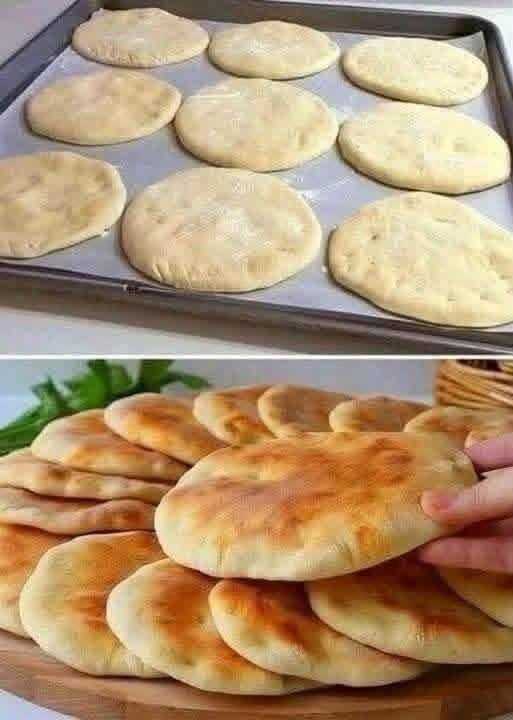
Homemade Soft Pita Bread is one of those simple recipes that can make any meal feel a little more special. It turns out soft, fluffy, and lightly golden on the outside, with a lovely tender texture inside. I love serving it warm with creamy hummus, stuffing it with grilled chicken and fresh vegetables, or simply enjoying a piece straight from the oven. Honestly, once you try making pita bread at home, it’s hard not to fall in love with it!
Homemade Soft Pita Bread – Easy, Fluffy, Healthy Mediterranean Flatbread Recipe
Recipe Description
Homemade Soft Pita Bread is a delicious, fluffy, golden-brown Mediterranean flatbread with a soft, tender texture and a lightly crisp exterior. Made with simple pantry ingredients, this easy homemade pita bread recipe is perfect for sandwiches, wraps, dipping, and serving alongside your favorite healthy meals.
Unlike many store-bought flatbreads, homemade pita allows you to control the ingredients, reduce unnecessary additives, and choose healthier options such as whole wheat flour and extra virgin olive oil.
This recipe is also easy to adapt for an anti-inflammatory eating pattern. Using whole grains, olive oil, and minimal added sugar makes it a wholesome option to enjoy as part of a balanced Mediterranean-style diet.
Whether you’re preparing a healthy family dinner, meal prepping for the week, or looking for an easy homemade bread recipe, these soft pita breads are a wonderful choice.
Preparation Time
- Preparation Time: 20 minutes
- Resting and Rising Time: 1 hour
- Cooking Time: 15–20 minutes
- Total Time: Approximately 1 hour 40 minutes
- Servings: 8–10 pita breads
- Cuisine: Mediterranean / Middle Eastern
- Course: Bread, Side Dish, Breakfast
- Difficulty: Easy
Ingredients
- 3 cups all-purpose flour (or use whole wheat flour for a higher-fiber option)
- 1 cup warm water
- 2 teaspoons instant yeast
- 1 tablespoon extra virgin olive oil
- 1 teaspoon salt
- 1 teaspoon honey (optional)
- 2–3 tablespoons additional flour for kneading and rolling
Instructions
Step 1: Activate the Yeast
In a large mixing bowl, combine warm water, instant yeast, and honey.
Stir gently and allow the mixture to rest for approximately 5 minutes if using active dry yeast. Instant yeast can also be mixed directly with the flour.
Step 2: Prepare the Dough
Add flour, salt, and olive oil to the yeast mixture.
Mix everything until a soft dough forms. Knead for approximately 8–10 minutes until the dough becomes smooth, elastic, and slightly tacky.
Avoid adding too much extra flour because this can make the pita bread dry and hard.
Step 3: Let the Dough Rise
Lightly grease a bowl with olive oil.
Place the dough inside and cover it with a clean kitchen towel or plastic wrap.
Allow it to rise in a warm place for approximately 45–60 minutes, or until doubled in size.
Step 4: Divide the Dough
Transfer the risen dough to a lightly floured surface.
Divide it into 8–10 equal portions and shape each portion into a smooth ball.
Cover the dough balls and let them rest for another 10 minutes.
Step 5: Roll the Pita Bread
Using a rolling pin, roll each dough ball into a round, approximately 5–6 inches in diameter and ¼ inch thick.
Try to keep the thickness even throughout so the pita breads cook properly.
Place the rolled dough rounds on a parchment-lined baking tray.
Step 6: Bake the Pita Bread
Preheat your oven to 475°F (245°C).
Place the baking tray in the preheated oven and bake for approximately 3–5 minutes, depending on your oven and the thickness of the dough.
The pita breads should puff up and develop a lightly golden appearance.
For a softer, more evenly browned finish, avoid overbaking.
Step 7: Keep the Bread Soft
Remove the pita breads from the oven and immediately cover them with a clean kitchen towel.
This helps retain moisture and keeps the bread soft, fluffy, and flexible.
Your homemade soft pita bread is ready to serve!
Tips for Perfect Homemade Soft Pita Bread
- Use warm, not hot, water to help activate the yeast.
- Knead the dough until smooth and elastic.
- Allow enough time for the dough to rise.
- Roll the dough evenly to encourage proper puffing.
- Preheat the oven thoroughly before baking.
- Avoid overbaking, as this can make pita bread dry.
- Cover freshly baked pita breads with a kitchen towel to preserve their softness.
Anti-Inflammatory Benefits and Healthy Ingredient Swaps
This recipe can be adapted to fit an anti-inflammatory Mediterranean-style eating pattern.
Consider these ingredient choices:
- Whole wheat flour: Provides dietary fiber and more naturally occurring nutrients than refined white flour.
- Extra virgin olive oil: Contains monounsaturated fats and antioxidant compounds called polyphenols.
- Minimal added sugar: The honey is optional and can be omitted.
- Herbs and spices: Add oregano, turmeric, rosemary, or cumin for additional flavor and plant compounds.
Important: Pita bread itself is not a treatment for inflammation. Its overall nutritional value depends on the ingredients, portion size, and foods served alongside it.
Serving Suggestions
Homemade soft pita bread is incredibly versatile. Here are some delicious ways to enjoy it:
- Healthy Mediterranean Wraps: Fill with grilled chicken, cucumber, tomatoes, lettuce, and homemade yogurt sauce.
- Hummus and Pita: Serve warm pita with creamy homemade hummus.
- Falafel Sandwich: Stuff with baked falafel, fresh vegetables, and tahini dressing.
- Breakfast Pita: Fill with scrambled eggs, spinach, avocado, and black pepper.
- Grilled Chicken Pita: Add grilled chicken, fresh salad, and garlic yogurt sauce.
- Healthy Snack: Cut into wedges and serve with hummus or baba ganoush.
- Soup Companion: Enjoy alongside lentil soup, vegetable soup, or Mediterranean chickpea soup.
Recipe Variations
1. Whole Wheat Pita Bread
Replace some or all of the all-purpose flour with whole wheat flour. You may need slightly more water because whole wheat flour absorbs more liquid.
This variation provides additional dietary fiber.
2. Garlic Herb Pita Bread
Add ½ teaspoon garlic powder, dried oregano, and dried rosemary to the flour mixture for a delicious savory flavor.
3. Olive Oil Pita Bread
Use extra virgin olive oil in the dough and lightly brush the baked pita breads with olive oil for a Mediterranean-inspired finish.
4. Gluten-Free Pita Bread
Use a suitable gluten-free bread flour blend with a recipe specifically formulated for gluten-free dough. The texture and preparation will differ from traditional pita bread.
5. High-Fiber Pita Bread
Use whole wheat flour and serve with fiber-rich fillings such as chickpeas, lentils, leafy greens, and vegetables.
6. Skillet Pita Bread
Heat a heavy skillet over medium-high heat. Cook each rolled dough round for approximately 1–2 minutes per side, adjusting the heat as needed, until puffed and lightly browned.
Storage Instructions
Room Temperature: Store cooled pita breads in an airtight bag or container for up to 2 days.
Refrigerator: Keep in an airtight container for approximately 4–5 days.
Freezer: Freeze individually separated pita breads in a freezer-safe bag for up to 2–3 months for best quality.
Reheating: Warm in a skillet for a few seconds on each side or heat briefly in the oven. A light sprinkle of water can help restore softness.
Estimated Nutrition Facts
Approximate nutrition per pita bread, assuming 10 servings and using all-purpose flour:
- Calories: 175 kcal
- Carbohydrates: 34 g
- Protein: 5 g
- Total Fat: 2 g
- Saturated Fat: 0.3 g
- Dietary Fiber: 1.2 g
- Sugar: 1 g
- Sodium: 235 mg
Nutrition values are estimates and vary depending on flour type, bread size, and ingredient brands. Whole wheat flour will generally provide more fiber.
Frequently Asked Questions (FAQs)
1. Why is my homemade pita bread not puffing up?
Pita bread may not puff if the oven is not hot enough, the dough is rolled unevenly, or the dough has not rested and risen sufficiently. Make sure your oven is thoroughly preheated.
2. How do I make pita bread extra soft?
Use a slightly moist dough, avoid adding too much flour during kneading, and cover the freshly baked bread with a clean kitchen towel.
3. Can I make pita bread without yeast?
Yes. You can make a yeast-free flatbread using baking powder, but it will have a different texture and will not puff in quite the same way as traditional yeast pita.
4. Is whole wheat pita bread healthier than white pita bread?
Whole wheat pita generally contains more dietary fiber and retains more of the grain’s naturally occurring nutrients. It can be a good option for a balanced diet.
5. Is pita bread suitable for a Mediterranean diet?
Yes. Whole grain pita made with olive oil can fit into a Mediterranean-style eating pattern, especially when paired with vegetables, legumes, nuts, and healthy protein sources.
6. Can I prepare pita dough ahead of time?
Yes. Prepare the dough, place it in a covered container, and refrigerate it overnight. Allow it to come closer to room temperature before dividing and rolling.
7. Can I freeze homemade pita bread?
Absolutely! Allow the pita breads to cool completely, separate them with parchment paper if desired, and store them in a freezer-safe bag.
8. What makes pita bread different from naan?
Pita is generally thinner and designed to form a pocket when baked. Naan is usually softer, thicker, and traditionally prepared with yogurt or other enriching ingredients.
Final Thoughts
Homemade Soft Pita Bread is an easy, delicious, and versatile bread recipe that brings the flavors of Mediterranean cooking into your kitchen.