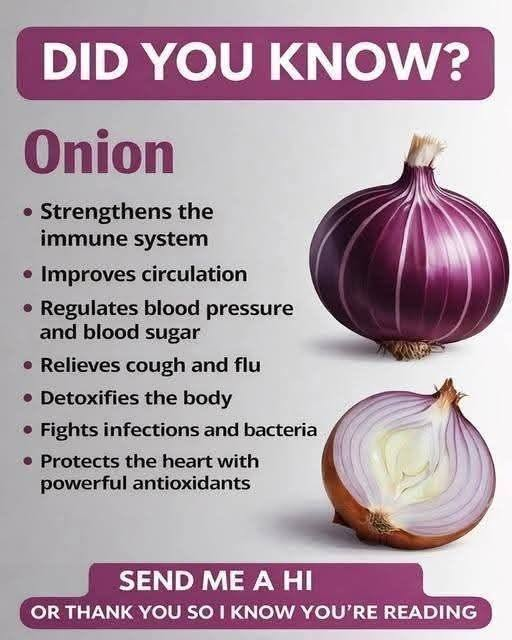
Some recipes hold a special place in our hearts, not because they are fancy or expensive, but because they bring warmth, comfort, and happiness to our homes. For me, onions are one of those simple ingredients that can turn an everyday meal into something truly delicious.
There is something wonderful about transforming ordinary onions into a flavorful dish that everyone at the table wants to try. Whether you’re cooking for your family, preparing a relaxed weekend meal, or craving something savory after a long day, this Onion Special Recipe is a lovely choice.
Onion Special Recipe: Anti-Inflammatory Onion Soup for Healthy Living
Recipe Description
Onion Special Recipe is a simple, flavorful, and budget-friendly dish made with fresh onions, garlic, olive oil, and antioxidant-rich herbs. This comforting onion soup is inspired by the potential anti-inflammatory benefits of onions and other nutritious ingredients.
Onions contain quercetin, a natural plant compound with antioxidant properties. Combined with garlic, turmeric, and black pepper, this recipe makes a delicious addition to a balanced diet focused on heart health, immune support, and overall wellness.
Whether you’re looking for a healthy homemade soup, a comforting dinner, or an easy vegetable recipe, this anti-inflammatory onion soup is a great option for everyday meals.
Recipe Type: Healthy Soup / Anti-Inflammatory Recipe
Cuisine: International
Preparation Time: 10 minutes
Cooking Time: 25–30 minutes
Total Time: 35–40 minutes
Servings: 4
Difficulty: Easy
Ingredients
- 4 medium yellow or red onions, thinly sliced
- 4 cloves garlic, minced
- 2 tablespoons extra-virgin olive oil
- 1 teaspoon freshly grated ginger
- 1/2 teaspoon ground turmeric
- 1/4 teaspoon freshly ground black pepper
- 4 cups low-sodium vegetable broth or chicken broth
- 1 teaspoon dried thyme
- 1 bay leaf
- 1 tablespoon fresh lemon juice
- 1/4 teaspoon salt, or to taste
- 2 tablespoons chopped fresh parsley
- 1 teaspoon apple cider vinegar (optional)
Step-by-Step Cooking Instructions
Step 1: Prepare the Onions
Peel the onions and slice them thinly. Mince the garlic and grate the ginger. Preparing all the ingredients before cooking makes the process easier.
Step 2: Sauté the Onions
Heat the olive oil in a large pot over medium-low heat. Add the sliced onions and cook for 12–15 minutes, stirring regularly, until soft and golden.
Avoid burning the onions, as this can make the soup bitter. Slow cooking helps develop their natural sweetness.
Step 3: Add Garlic, Ginger, and Turmeric
Add the minced garlic, grated ginger, turmeric, black pepper, and dried thyme. Cook for another 1–2 minutes, stirring gently until fragrant.
These ingredients contribute flavor and provide a variety of plant compounds associated with antioxidant activity.
Step 4: Add the Broth
Pour in the vegetable or chicken broth. Add the bay leaf and stir well.
Bring the soup to a gentle boil, then reduce the heat and simmer for 15–20 minutes to allow the flavors to combine.
Step 5: Add the Finishing Ingredients
Remove the bay leaf. Stir in the lemon juice and optional apple cider vinegar. Taste and adjust the salt as needed.
For a smoother consistency, blend part or all of the soup with an immersion blender. Leave it chunky if you prefer a traditional homemade onion soup.
Step 6: Garnish and Serve
Ladle the hot soup into bowls and garnish with fresh parsley and a little freshly ground black pepper.
Serve immediately for a comforting, flavorful, and nutritious meal.
Serving Suggestions
Enjoy this anti-inflammatory onion soup in several ways:
- Healthy lunch: Serve with whole-grain bread or whole-wheat toast.
- Light dinner: Pair with a fresh green salad and roasted vegetables.
- High-protein meal: Add cooked lentils, white beans, shredded chicken, or tofu.
- Weight-conscious meal: Enjoy a bowl alongside a protein-rich side dish for a more satisfying meal.
- Mediterranean-style meal: Serve with olive oil-drizzled whole-grain bread and a cucumber-tomato salad.
- Comfort food option: Top with a small amount of grated cheese and toasted bread.
Recipe Variations
1. Creamy Onion Soup
Stir in 1/4 cup of unsweetened milk or an unsweetened plant-based alternative. Blend until smooth for a creamy texture without relying on heavy cream.
2. Vegan Anti-Inflammatory Soup
Use vegetable broth and avoid dairy-based toppings. Add white beans or chickpeas for extra plant-based protein.
3. Garlic and Onion Immunity-Inspired Soup
Increase the garlic to six cloves and add extra ginger for a stronger flavor. This is a nutritious meal, but it should not be considered a treatment for infections or a guaranteed immunity booster.
4. Turmeric Onion Soup
Increase the turmeric to 3/4 teaspoon if you enjoy its earthy flavor. Keep the black pepper modest and season to taste.
5. Low-Sodium Onion Soup
Use no-added-salt broth, limit extra salt, and enhance the flavor with lemon juice, garlic, thyme, and parsley.
6. High-Protein Onion Soup
Add 1 cup of cooked lentils, white beans, or shredded chicken. This variation provides a more filling meal and increases protein content.
7. Traditional French-Inspired Onion Soup
Use slowly caramelized onions and beef or vegetable broth. Top with toasted whole-grain bread and a modest amount of Gruyère or another melting cheese.
Potential Health Benefits of Onions
Onions provide nutrients and plant compounds that can contribute to a healthy eating pattern.
- Antioxidant support: Onions contain quercetin and other antioxidant compounds that help protect cells from oxidative stress.
- Anti-inflammatory potential: Research on onion compounds suggests possible effects on inflammatory pathways, although the benefits of eating onions alone in humans are not fully established.
- Heart-healthy eating: Onions can fit into a dietary pattern that supports cardiovascular health, especially when prepared with unsaturated fats and limited sodium.
- Digestive health: Onions contain prebiotic carbohydrates that can support beneficial gut bacteria, although they may cause bloating in some people.
- Nutrient intake: Onions contribute vitamin C, vitamin B6, folate, and small amounts of minerals.
- Flavor without excess salt: Their natural sweetness and savory flavor can make healthy meals enjoyable with less added sodium.
Important: This soup is a nutritious food, not a medical treatment. It cannot be guaranteed to reduce inflammation, lower blood pressure, regulate blood sugar, detoxify the body, or cure coughs, colds, or infections. People with ongoing symptoms or medical conditions should seek appropriate medical advice.
Nutrition Information
Estimated nutrition per serving, assuming four servings and using low-sodium vegetable broth. Actual values vary with ingredient sizes, broth brand, and optional additions.
- Calories: 120–150 kcal
- Carbohydrates: 18–22 g
- Protein: 3–5 g
- Total fat: 5–7 g
- Saturated fat: approximately 1 g
- Dietary fiber: 3–4 g
- Total sugars: 7–10 g
- Sodium: approximately 250–450 mg
- Vitamin C: a modest amount
- Potassium: a modest amount
Adding beans, chicken, cheese, or bread will change the nutritional values. For people monitoring sodium, carbohydrate intake, or other dietary requirements, calculate nutrition using the specific ingredients and quantities used.
Storage and Food Safety
- Refrigeration: Store leftover soup in an airtight container and refrigerate within two hours of cooking.
- Storage duration: Use refrigerated leftovers within 3–4 days.
- Freezing: Freeze in individual portions for up to 2–3 months for best quality.
- Reheating: Reheat thoroughly until steaming hot, stirring occasionally.
- Meal preparation: Prepare a batch ahead of time for convenient lunches or dinners throughout the week.
Frequently Asked Questions
1. Is onion soup anti-inflammatory?
Onions contain quercetin and other plant compounds with antioxidant and potential anti-inflammatory properties. However, the extent to which this particular soup reduces inflammation in humans is uncertain.
2. Can I eat onion soup every day?
Most people can include onion soup regularly as part of a balanced diet. Variety is important, and people with digestive sensitivities may need to limit onions.
3. Are red onions healthier than white onions?
Both provide useful nutrients and plant compounds. Red onions often contain more anthocyanins, which are pigments with antioxidant properties, while the exact composition varies by variety.
4. Does cooking onions destroy their nutrients?
Cooking changes the levels of certain nutrients and plant compounds, but cooked onions still provide beneficial nutrients. Gentle cooking is a good way to develop flavor while retaining the onions in the meal.
5. Can onion soup help with weight management?
A broth-based onion soup can be a relatively low-calorie meal. For better fullness and balanced nutrition, pair it with protein and fiber-rich foods.
6. Is onion soup good for people with diabetes?
It may fit into a balanced meal plan, but portion sizes and added ingredients matter. Onions contain carbohydrates, and this recipe is not a substitute for prescribed diabetes treatment or individualized dietary advice.
7. Can onion soup lower blood pressure?
This recipe can be part of a heart-conscious eating pattern, especially when prepared with low-sodium broth. It should not be relied on to lower blood pressure or replace prescribed medication.
8. Can I make onion soup without oil?
Yes. Sauté the onions with a small amount of water or broth in a nonstick pot. The flavor and texture will differ slightly, but the recipe will still work.
9. Is this recipe suitable for vegans?
Yes, when prepared with vegetable broth and without dairy toppings. Add beans or lentils to make it more filling.
10. Who should be careful when eating onions?
People with irritable bowel syndrome, reflux, or sensitivity to fermentable carbohydrates may experience bloating, gas, or discomfort. Adjust the portion according to personal tolerance.
Related Recipe Ideas
If you enjoy this onion special recipe, try these related healthy cooking ideas:
- Garlic and ginger vegetable soup
- Turmeric and black pepper lentil soup
- Mediterranean roasted onion and vegetable salad
- Homemade low-sodium vegetable broth
- Healthy caramelized onion and mushroom soup
- Garlic-infused olive oil vegetable dishes
- High-protein lentil and onion stew
- Easy anti-inflammatory Mediterranean meal plan
These recipes offer different ways to include vegetables, legumes, herbs, and unsaturated fats in a balanced diet.
Final Thoughts
This Onion Special Recipe is a simple, affordable, and comforting way to enjoy onions alongside garlic, ginger, turmeric, olive oil, and fresh herbs. Its savory flavor makes it suitable for lunch, dinner, meal preparation, and a variety of healthy eating plans.