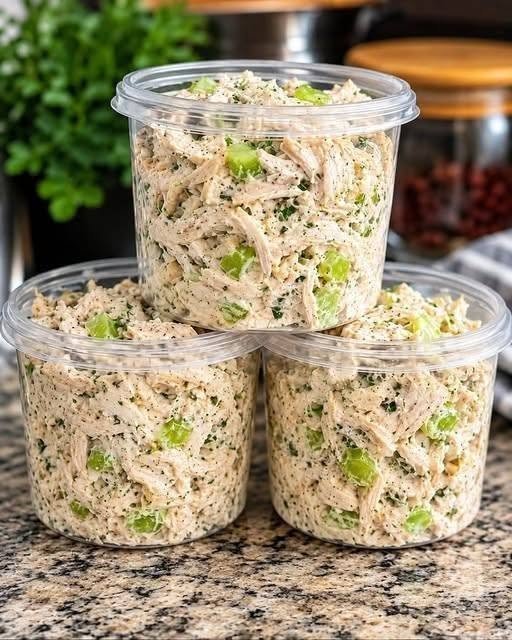
A recipe that seems a little fancy yet requires relatively little work to prepare has a unique quality. Creamy chicken salad with grapes and herbs is precisely that kind of food, in my opinion. It has a savoury flavour and is creamy, refreshing, and slightly sweet. Juicy grapes, crunchy celery, and fresh herbs come together in a smooth, tangy vinaigrette that perfectly complements the soft shredded chicken.
This type of meal is suitable for both casual weekend get-togethers and hectic weekday lunches. Tuck it into lettuce or serve it on toast.
Creamy Chicken Salad with Grapes and Herbs: An Anti-Inflammatory Inspired Recipe
Recipe Description
Creamy Chicken Salad with Grapes and Herbs is a delicious, protein-rich meal made with tender shredded chicken, juicy green grapes, fresh herbs, and a creamy dressing. This easy chicken salad recipe combines savory flavors with natural sweetness and refreshing crunch, making it perfect for healthy lunches, meal prep, sandwiches, wraps, and light dinners.
For a more anti-inflammatory eating pattern, this recipe emphasizes lean protein, fresh herbs, grapes, extra-virgin olive oil, and other nutrient-rich ingredients. Grapes contain polyphenols and other antioxidants, while herbs contribute flavor and beneficial plant compounds. Choosing unsweetened Greek yogurt and olive oil can help create a lighter alternative to traditional mayonnaise-heavy chicken salad.
Although no single food can eliminate inflammation, this wholesome recipe can fit into a balanced, Mediterranean-inspired diet that supports overall health.
Preparation Time: 15 minutes
Cooking Time: 15–20 minutes if cooking chicken from scratch
Total Time: 30–35 minutes
Servings: 4
Course: Lunch, Dinner, Meal Prep
Cuisine: American-inspired
Dietary Style: High-protein, gluten-free when served with suitable accompaniments, anti-inflammatory eating pattern
Difficulty: Easy
Ingredients
For the Chicken Salad
- 3 cups cooked, shredded chicken breast (approximately 450 g)
- 1 cup green grapes, halved
- 1/2 cup finely diced celery
- 2 tablespoons finely chopped fresh parsley
- 1 tablespoon chopped fresh dill
- 2 tablespoons finely chopped green onions
- 2 tablespoons chopped walnuts, optional
- 1/4 teaspoon freshly ground black pepper
- 1/4 teaspoon sea salt, or to taste
For the Creamy Herb Dressing
- 1/2 cup plain, unsweetened Greek yogurt
- 2 tablespoons extra-virgin olive oil
- 1 tablespoon fresh lemon juice
- 1 teaspoon Dijon mustard
- 1 small garlic clove, finely minced or grated
- 1/2 teaspoon dried oregano
- 1/4 teaspoon ground turmeric, optional
- 1/4 teaspoon ground black pepper
- 1–2 tablespoons water, as needed to adjust consistency
Optional substitution: For a more traditional creamy chicken salad, replace some or all of the Greek yogurt with mayonnaise. For a lighter dressing, keep the Greek yogurt and olive oil combination.
Instructions
Step 1: Cook the Chicken
If you are not using leftover or rotisserie chicken, place boneless, skinless chicken breasts in a saucepan and cover with water or low-sodium chicken broth. Simmer gently until the thickest part reaches an internal temperature of 165°F (74°C).
Allow the chicken to cool slightly before shredding it with two forks. You can also use a stand mixer on low speed for quick shredding.
Step 2: Prepare the Grapes and Vegetables
Wash the green grapes thoroughly and cut them in half. Dice the celery, chop the green onions, and finely chop the fresh parsley and dill.
For extra crunch and healthy fats, prepare the optional walnuts.
Step 3: Make the Creamy Herb Dressing
In a medium bowl, whisk together the Greek yogurt, extra-virgin olive oil, lemon juice, Dijon mustard, garlic, oregano, turmeric, and black pepper.
Add a small amount of water if needed to create a smooth, pourable dressing. Taste and adjust the lemon juice, seasoning, and herbs to your preference.
Step 4: Combine the Ingredients
Place the shredded chicken in a large mixing bowl. Add the halved grapes, diced celery, green onions, parsley, and dill.
Pour the creamy dressing over the chicken mixture and stir gently until all the ingredients are evenly coated.
Step 5: Chill for Better Flavor
Cover the bowl and refrigerate for 20–30 minutes before serving. Chilling allows the flavors of the chicken, herbs, lemon, and dressing to blend together.
If the salad becomes too thick after refrigeration, stir in a teaspoon of water or lemon juice.
Step 6: Serve and Enjoy
Serve chilled over leafy greens, inside whole-grain bread, in lettuce cups, or alongside fresh vegetables. Add the walnuts just before serving if you want to preserve their crunch.
Why This Recipe Fits an Anti-Inflammatory Eating Pattern
An anti-inflammatory diet generally emphasizes vegetables, fruits, whole grains, legumes, nuts, seeds, healthy fats, and minimally processed foods.
This chicken salad includes several ingredients that can contribute to that overall pattern.
1. Grapes
Grapes provide vitamin C, water, and polyphenols, including compounds studied for their antioxidant properties. They add natural sweetness without requiring added sugar.
2. Extra-Virgin Olive Oil
Olive oil supplies monounsaturated fats and phenolic compounds. It is a staple of the Mediterranean dietary pattern, which has been associated with several health benefits.
3. Fresh Herbs
Parsley and dill provide flavor and plant compounds while reducing the need for excessive salt or heavy sauces.
4. Chicken Breast
Chicken breast supplies complete protein, which supports muscle maintenance and recovery. Protein also helps make this salad satisfying.
5. Greek Yogurt
Plain Greek yogurt contributes protein and a creamy texture. It can reduce the amount of mayonnaise needed in a traditional chicken salad.
6. Walnuts
Walnuts provide unsaturated fats, including the plant-based omega-3 fatty acid alpha-linolenic acid (ALA). They also add fiber and texture.
7. Garlic, Lemon, and Oregano
These ingredients enhance flavor without relying on sugary dressings or large quantities of salt. Turmeric is optional and should be viewed as a seasoning rather than a treatment for inflammation.
No individual ingredient or recipe is a cure for chronic inflammation. The potential benefits come from overall dietary habits and other lifestyle factors.
Serving Suggestions
1. Healthy Chicken Salad Sandwich
Serve the chicken salad between slices of whole-grain bread with lettuce and tomato. This makes a convenient, protein-rich lunch.
2. Low-Carb Lettuce Wraps
Spoon the mixture into romaine, butter lettuce, or iceberg lettuce leaves for a crisp, lower-carbohydrate option.
3. Mediterranean-Inspired Salad Bowl
Place the chicken salad over spinach, arugula, cucumber, tomatoes, and shredded carrots. Add chickpeas or quinoa for extra fiber and energy.
4. Whole-Wheat Wrap
Spread the chicken salad across a whole-wheat tortilla, add leafy greens, and roll tightly for an easy meal-prep lunch.
5. Avocado Chicken Salad Plate
Serve a portion alongside sliced avocado, cucumber, cherry tomatoes, and whole-grain crackers.
6. High-Protein Snack
Enjoy a smaller serving with cucumber rounds, bell pepper strips, or whole-grain crackers.
7. Light Dinner
Pair the chicken salad with vegetable soup or roasted vegetables for a balanced evening meal.
Recipe Variations
1. Dairy-Free Creamy Chicken Salad
Replace the Greek yogurt with an unsweetened dairy-free yogurt alternative. Check the ingredient label for added sugars and choose a product with a mild flavor.
2. Avocado Chicken Salad
Mash half a ripe avocado into the dressing and reduce the olive oil slightly. This produces a creamy texture with additional monounsaturated fats.
3. Chicken Salad with Apples and Walnuts
Replace the grapes with diced apple and add chopped walnuts. This creates a crisp, naturally sweet variation with a different texture.
4. Mediterranean Chicken Salad
Add diced cucumber, chopped olives, fresh oregano, and a small amount of crumbled feta. Use lemon juice and olive oil to keep the flavor bright.
5. Spicy Chicken Salad
Add a pinch of cayenne pepper or red pepper flakes. Start with a small amount and adjust to your taste.
6. Classic Mayonnaise Chicken Salad
Replace the Greek yogurt and olive oil with approximately 1/2 cup mayonnaise. This creates a richer, more traditional deli-style chicken salad.
7. Low-Sodium Chicken Salad
Use freshly cooked chicken without added salt, low-sodium Dijon mustard, and plenty of lemon juice and fresh herbs. Choose unsalted walnuts if adding nuts.
8. Meal-Prep Chicken Salad
Prepare the chicken and dressing separately, then combine them with the grapes and vegetables before serving. This can help preserve the texture, particularly if you plan to eat the salad over several days.
Storage and Food Safety
- Refrigeration: Store the chicken salad in an airtight container at 40°F (4°C) or below.
- Storage time: Use within 3–4 days when prepared and refrigerated safely.
- Meal prep: Divide into individual airtight containers for convenient lunches.
- Freezing: Freezing is not recommended because the yogurt-based dressing and grapes can change texture after thawing.
- Serving outdoors: Keep the salad chilled, particularly in warm weather. Do not leave perishable chicken salad at room temperature for more than 2 hours, or more than 1 hour when temperatures exceed 90°F (32°C).
If you are using leftover chicken, refrigerate it promptly and make sure it has been stored safely.
Nutrition Information
The following values are estimates for one serving, assuming the recipe makes four servings and includes the Greek yogurt, olive oil, and optional walnuts. Actual nutrition will vary with ingredient brands, chicken preparation, and portion sizes.
- Calories: Approximately 400–450 kcal
- Protein: 40–45 g
- Carbohydrates: 12–16 g
- Dietary fiber: 2–3 g
- Total fat: 20–25 g
- Saturated fat: 3–5 g
- Sugar: 7–10 g, primarily from grapes and yogurt
- Sodium: Approximately 300–500 mg, depending on seasoning and mustard
These are approximate values rather than laboratory-tested nutrition facts.
How to Adjust the Nutrition
- For fewer calories: Reduce the olive oil or walnuts and use extra plain Greek yogurt.
- For more protein: Increase the chicken portion or serve with a side of plain Greek yogurt.
- For more fiber: Serve over leafy greens, add chickpeas, or use whole-grain bread.
- For fewer carbohydrates: Serve in lettuce cups instead of bread or tortillas.
- For less sodium: Limit added salt and use freshly cooked, unseasoned chicken.
Frequently Asked Questions
Is creamy chicken salad with grapes healthy?
It can be a nutritious meal because it provides protein, fruit, herbs, and healthy fats. Its overall nutritional quality depends on the dressing, portion size, and what you serve alongside it.
Is this an anti-inflammatory chicken salad recipe?
It is designed around ingredients commonly included in Mediterranean-style eating patterns, such as grapes, olive oil, herbs, nuts, and minimally processed protein. However, it has not been clinically tested as a specific treatment for inflammation.
Can I make chicken salad without mayonnaise?
Yes. Plain Greek yogurt creates a creamy, tangy dressing. You can also use mashed avocado or an unsweetened dairy-free yogurt alternative.
Are green grapes better than red grapes?
Both green and red grapes provide beneficial plant compounds. Their specific polyphenol profiles differ, but either variety works well in this recipe. Choose the type you enjoy most.
Can I use rotisserie chicken?
Yes. Rotisserie chicken is a convenient shortcut. Remove the skin if desired, shred the meat, and check the sodium content because some store-bought versions contain substantial added salt.
Is this recipe suitable for meal prep?
Yes. Portion it into airtight containers and refrigerate promptly. For the best quality, consume within 3–4 days and keep the salad cold until serving.
Can I make this recipe keto-friendly?
You can lower the carbohydrate content by reducing the grapes and serving the salad in lettuce cups. Keep in mind that the original recipe is not necessarily ketogenic because grapes contain carbohydrates.
Is chicken salad good for weight management?
It can fit into a weight-management plan because chicken provides protein and the vegetables add texture and volume. Total calories depend on the amount of dressing, nuts, and serving accompaniments.
Can I eat chicken salad every day?
It may fit into a regular meal rotation, but dietary variety is important. Alternate your protein sources and include different vegetables, fruits, legumes, and whole grains throughout the week.
Does turmeric reduce inflammation?
Turmeric contains curcumin, a compound studied for its potential biological effects. However, the small culinary amount used here should not be considered a treatment for an inflammatory condition, and evidence from supplements does not automatically apply to ordinary food portions.
Is this chicken salad gluten-free?
The salad itself is naturally gluten-free when all ingredients are suitable and cross-contact is avoided. Bread, wraps, crackers, and some prepared condiments may contain gluten, so check labels if you need to avoid it strictly.
Can I use dried herbs instead of fresh herbs?
Yes. Dried herbs are more concentrated, so begin with smaller amounts and adjust to taste. Fresh parsley and dill provide a brighter flavor, but dried oregano works especially well in the dressing.
Final Thoughts
Creamy Chicken Salad with Grapes and Herbs is a versatile recipe that combines tender chicken, sweet grapes, crunchy celery, aromatic herbs, and a smooth dressing. The Greek yogurt and extra-virgin olive oil provide an alternative to a mayonnaise-only dressing while maintaining a satisfying, creamy texture.