
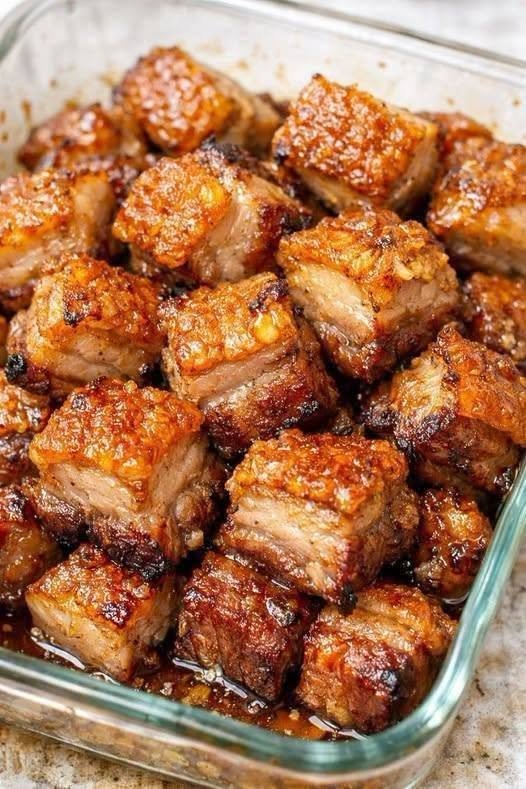
There’s just something about crispy, golden pork belly that makes a meal feel extra special. The crunchy edges, juicy meat, and rich, savory flavor are hard to resist. And honestly, when the smell starts filling the kitchen, it’s almost impossible not to sneak a little taste before dinner is ready!
These Crispy Baked Pork Belly Bites are one of my favorite kinds of comfort food to make at home. They look fancy enough to serve when family or friends come over, but they’re actually pretty easy to prepare. You don’t need a deep fryer or a long list of complicated ingredients—just some good pork belly, a few simple seasonings, and a little patience while the oven works its magic..
Crispy Baked Pork Belly Bites: Anti-Inflammatory Recipe Guide
Recipe Description
Crispy Baked Pork Belly Bites are rich, savory, tender pieces of pork belly roasted slowly until the meat becomes succulent and the exterior develops a golden, crispy finish. This recipe combines garlic, paprika, black pepper, and aromatic spices for a delicious oven-baked dish that can be served as an appetizer, a main course, or a special weekend meal.
For a more anti-inflammatory-inspired version, this recipe emphasizes herbs, spices, garlic, and optional fresh ginger while reducing added sugar and highly sweetened sauces. Ingredients such as garlic and ginger contain compounds that have been studied for their potential health benefits. However, pork belly is high in saturated fat, and this recipe should not be considered an anti-inflammatory treatment or a substitute for a balanced dietary pattern.
Recipe at a glance
- Preparation time: 15 minutes
- Cooking time: 2–2½ hours
- Total time: Approximately 2 hours 45 minutes
- Servings: 4–6
- Cuisine: American-inspired
- Cooking method: Oven-baked
- Dietary notes: Gluten-free and dairy-free if suitable ingredients are used
- Best for: Family dinners, appetizers, meal sharing, and low-carbohydrate meal plans
Ingredients
For the Crispy Pork Belly
- 2 pounds (900 g) pork belly, preferably skin-on
- 1 tablespoon extra-virgin olive oil
- 1 teaspoon sea salt, or to taste
- 1 teaspoon freshly ground black pepper
- 1 teaspoon garlic powder
- 1 teaspoon paprika
- ½ teaspoon onion powder
- ½ teaspoon ground turmeric
- ½ teaspoon ground ginger
- ¼ teaspoon ground cumin
- ¼ teaspoon cayenne pepper, optional
Optional Garlic-Ginger Glaze
- 1 tablespoon low-sodium tamari or soy sauce
- 1 teaspoon raw honey or pure maple syrup
- 2 cloves garlic, finely minced
- 1 teaspoon freshly grated ginger
- 1 teaspoon apple cider vinegar
- 1–2 tablespoons water, as needed
The glaze is optional. Skipping it reduces added sugar and sodium, while the garlic, ginger, and spices still provide plenty of flavor.
Instructions
Step 1: Preheat the Oven
Preheat your oven to 275°F (135°C). Prepare a roasting pan or oven-safe baking dish. For better fat drainage, place a wire rack inside a rimmed baking tray if available.
Step 2: Prepare the Pork Belly
Pat the pork belly thoroughly dry using paper towels. Cut it into approximately 1½-inch cubes.
If the skin is attached, keep it as dry as possible. Score the skin lightly with a sharp knife without cutting deeply into the meat.
Step 3: Season the Pork
In a large bowl, combine the olive oil, sea salt, black pepper, garlic powder, paprika, onion powder, turmeric, ginger, and cumin.
Add the pork belly cubes and toss until the seasoning evenly coats the meat.
For a milder flavor, omit the cayenne pepper. For additional freshness, add a little lemon zest.
Step 4: Arrange the Pork Belly
Arrange the seasoned cubes in a single layer, leaving some space between each piece. Position skin-side-up where possible.
Avoid overcrowding the pan because excess moisture can prevent proper browning.
Step 5: Slow-Bake Until Tender
Bake uncovered at 275°F (135°C) for approximately 2–2½ hours, depending on the size and thickness of the pieces.
The pork should become tender as the fat renders and the connective tissue softens. If the pan contains excessive rendered fat, carefully drain some of it before the final roasting stage.
Step 6: Prepare the Optional Glaze
While the pork is baking, combine the low-sodium tamari, honey or maple syrup, minced garlic, grated ginger, apple cider vinegar, and water in a small bowl.
Mix well. Keep the glaze lightly sweetened to complement the savory pork without making the dish overly sugary.
Step 7: Make the Pork Belly Crispy
Increase the oven temperature to 425°F (220°C).
Brush the pork belly lightly with the glaze, if using. Return the pan to the oven for approximately 15–25 minutes, turning the pieces as needed, until the edges become deeply browned and crispy.
For skin-on pork, the skin may need additional attention to become crisp. Broil for 1–3 minutes if necessary, watching continuously to prevent burning.
Food safety note: Whole cuts of pork should reach at least 145°F (63°C), followed by a three-minute rest, for standard food safety. Pork belly cooked for tenderness generally reaches a higher temperature. Check the thickest pieces with a food thermometer.
Step 8: Rest and Serve
Remove the pork belly from the oven and let it rest for approximately five minutes.
Garnish with chopped fresh parsley, sliced spring onions, or fresh lemon zest. Serve warm alongside vegetables, whole grains, or a fresh salad.
Serving Suggestions
1. Anti-Inflammatory-Inspired Vegetable Bowl
Serve a modest portion of pork belly with roasted broccoli, carrots, red cabbage, and cauliflower. Finish with lemon juice and a small drizzle of extra-virgin olive oil.
2. Mediterranean-Style Dinner
Pair the pork belly with a cucumber, tomato, parsley, and lemon salad. Add a serving of lentils, chickpeas, or quinoa for fiber and plant-based nutrients.
3. Low-Carbohydrate Meal
Serve with cauliflower mash, sautéed spinach, roasted zucchini, or steamed green beans. This combination keeps the meal relatively low in carbohydrates while adding vegetables.
4. Healthy Appetizer Platter
Arrange the pork belly bites with cucumber slices, fresh herbs, lemon wedges, and a yogurt-free garlic dipping sauce. Keep portions small because pork belly is energy-dense.
5. Balanced Family Dinner
Pair the pork belly with brown rice or quinoa and two vegetable sides. This provides a more balanced meal than serving pork belly alone.
Recipe Variations
1. Turmeric and Ginger Pork Belly
Increase the turmeric to ¾ teaspoon and add an extra teaspoon of fresh ginger. Include black pepper to complement the flavor. This variation highlights spices frequently used in anti-inflammatory-inspired cooking, but it does not guarantee a reduction in inflammation.
2. Garlic and Herb Pork Belly
Replace the cumin and cayenne with dried rosemary, thyme, and additional garlic powder. Add fresh parsley after cooking for a bright, savory finish.
3. Lemon Pepper Pork Belly
Use extra black pepper, lemon zest, and a little fresh lemon juice after baking. This creates a refreshing citrus flavor without relying on a sugary sauce.
4. Spicy Paprika Pork Belly
Add smoked paprika and a pinch of chili flakes. Pair it with a cooling cucumber salad to balance the heat.
5. Low-Sodium Pork Belly
Reduce the added salt and use a low-sodium tamari or skip the glaze. Enhance flavor with garlic, ginger, black pepper, lemon zest, and fresh herbs.
6. Sugar-Free Pork Belly
Skip the honey, maple syrup, and barbecue sauce. Roast the pork until browned, then finish with garlic, ginger, vinegar, and fresh herbs.
7. Air Fryer Pork Belly Bites
For a quicker alternative, cut the pork belly into small cubes, season, and cook in batches in an air fryer at approximately 375°F (190°C), checking and turning frequently. Cooking time varies with cube size and appliance performance. This method is best for smaller portions and may not soften thick pork belly as evenly as slow baking.
Anti-Inflammatory Nutrition Tips
An anti-inflammatory eating pattern generally emphasizes vegetables, fruit, legumes, whole grains, nuts, seeds, fish, and unsaturated fats. This pork belly recipe can fit occasionally into a varied diet, but pork belly itself is not an established anti-inflammatory food.
To make the overall meal more supportive of long-term health:
- Add colorful vegetables such as leafy greens, broccoli, peppers, and cabbage.
- Use extra-virgin olive oil in place of butter or other solid fats where appropriate.
- Include fiber-rich foods such as beans, lentils, and whole grains.
- Limit highly sweetened glazes and excess sodium.
- Keep pork belly portions moderate because it is high in calories and saturated fat.
- Rotate pork belly with leaner protein sources, such as fish, beans, lentils, tofu, or skinless poultry.
Turmeric, ginger, and garlic are flavorful ingredients with compounds studied for their biological effects. Evidence for these ingredients in ordinary culinary amounts does not establish that a particular meal prevents, treats, or cures chronic inflammation.
Nutrition Information
The following values are estimates per serving, assuming six servings and using the pork belly, olive oil, and dry seasonings without the optional glaze. Actual nutrition varies substantially with the pork belly’s fat content, whether the skin is eaten, how much rendered fat is discarded, and portion size.
- Calories: approximately 500–650 kcal
- Protein: approximately 9–15 g
- Total fat: approximately 50–65 g
- Saturated fat: approximately 18–25 g
- Carbohydrates: approximately 1–3 g
- Fiber: approximately 0–1 g
- Total sugars: approximately 0–1 g
- Sodium: approximately 400–600 mg
These figures are illustrative estimates, not laboratory-tested nutrition data. The optional glaze will change the carbohydrate, sugar, and sodium totals.
Important nutrition consideration: Pork belly is naturally high in fat, particularly saturated fat. If you are following a heart-healthy or cholesterol-conscious diet, consider serving a smaller portion and choosing leaner protein more often. Adding vegetables improves the meal’s overall fiber and micronutrient content but does not eliminate the saturated fat in the pork.
Frequently Asked Questions
1. Is pork belly anti-inflammatory?
Pork belly is not generally classified as an anti-inflammatory food. It provides protein and certain micronutrients, but it is also high in saturated fat. A meal containing pork belly can be part of an overall balanced diet when eaten in moderation, with plenty of plant foods.
2. Can I make crispy pork belly without sugar?
Yes. The optional glaze can be omitted entirely. Garlic, ginger, paprika, black pepper, turmeric, and lemon zest provide plenty of flavor without added sugar.
3. How do I get crispy pork belly in the oven?
Dry the surface thoroughly, avoid overcrowding the pan, slow-roast the meat until tender, and finish at a higher temperature. If using skin-on pork belly, moisture control is particularly important for crisp skin.
4. Can I prepare pork belly in advance?
Yes. Cook the pork belly until tender, refrigerate it promptly in a covered container, and crisp it shortly before serving. Refrigerate leftovers within two hours of cooking, or within one hour if the ambient temperature is above 90°F (32°C), and generally use them within three to four days.
5. Can I freeze leftover pork belly bites?
Yes. Allow the pork to cool promptly, place it in an airtight freezer-safe container, and freeze. For best quality, use within approximately two to three months. Thaw in the refrigerator and reheat thoroughly until the center reaches 165°F (74°C).
6. What is the best substitute for pork belly?
Skinless chicken thighs, lean pork tenderloin, turkey, or firm tofu can be alternatives, depending on your dietary preferences. Cooking times and nutritional values will differ, so use a thermometer and adjust the method accordingly.
7. Is this recipe keto-friendly?
The basic version is very low in carbohydrates and can fit many ketogenic meal plans. However, keto-friendly does not automatically mean heart-healthy. Consider the saturated fat content, serving size, and your individual nutritional needs.
8. Is this recipe gluten-free?
The recipe can be gluten-free when all ingredients are suitable. Use certified gluten-free tamari instead of ordinary soy sauce, and check spice blends and other packaged ingredients for gluten-containing additives.
9. Can turmeric and ginger reduce inflammation?
Turmeric contains curcumin, and ginger contains several bioactive compounds that have been investigated for potential health effects. However, research on concentrated supplements cannot be directly applied to small amounts used in cooking. This recipe should be enjoyed for its flavor rather than treated as medical therapy.
10. What is the healthiest way to serve pork belly?
Serve a small portion alongside plenty of non-starchy vegetables, a fiber-rich side, and water or an unsweetened drink. If your goal is to reduce saturated fat intake, rotate pork belly with leaner proteins and plant-based meals.
Final Thoughts
Crispy Baked Pork Belly Bites offer a rich, satisfying combination of tender meat, browned edges, and aromatic seasoning. The slow-baking method helps render the fat, while a final blast of high heat creates a crisp exterior.