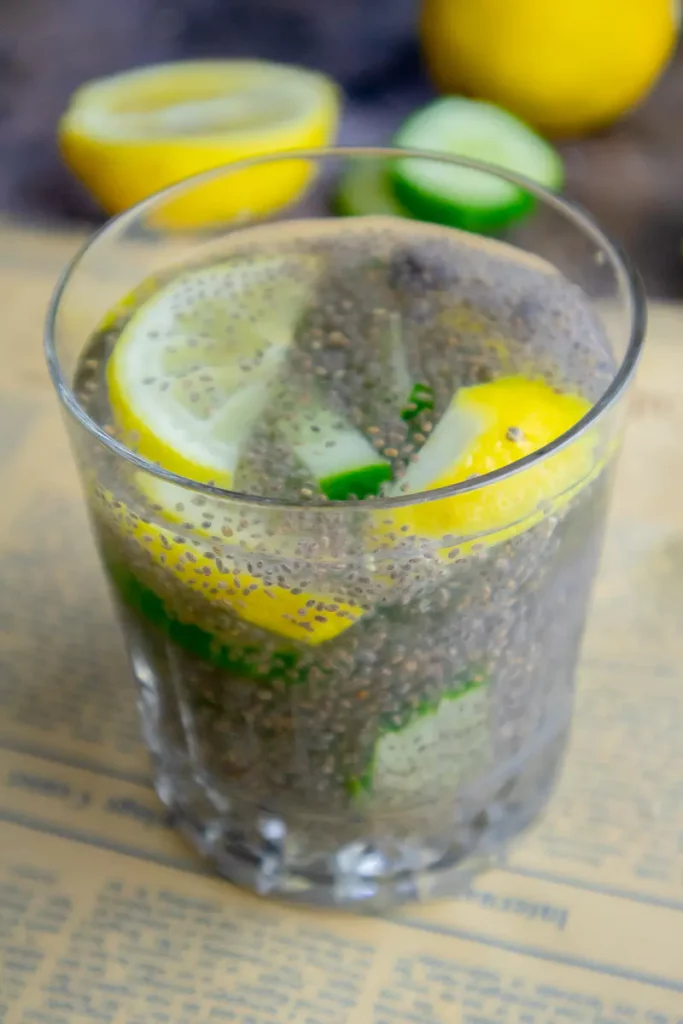

Certain recipes feel more like small rituals than actual recipes. For me, this ginger and clove beverage is one of those.
After informing me how easy it was to create, a friend suggested it to me. To be honest, I wasn’t sure what to anticipate at first—ginger and cloves together seemed quite comforting. I finally cooked a batch for my family last weekend.
And for some reason, the entire kitchen had a wonderful scent.
Ginger and, caffeine-free drink inspired by the recipe shown in your photo. Fresh ginger provides a spicy, warming flavor, while cloves add a rich aromatic note. Both contain naturally occurring compounds that have been studied for antioxidant and anti-inflammatory activity, although this drink should be viewed as a food—not a treatment for inflammation and optional mint in water. It can be served chilled or warm and Cloves Anti-Inflammatory Drink
This ginger and cloves infusion is a simple, caffeine-free drink inspired by the recipe shown in your photo. Fresh ginger provides a spicy, warming flavor, while cloves add a rich aromatic note. Both contain naturally occurring compounds that have been studied for antioxidant and anti-inflammatory activity, although this drink should be viewed as a food—not a treatment for inflammation or disease.
🫚 Ginger and Cloves Infused Water
Description
A refreshing ginger and cloves drink made by steeping fresh ginger, whole cloves, lemon, and optional mint in water. It can be served chilled or warm and makes an easy addition to a balanced diet.
Ingredients — about 4 servings
-
1 liter (4¼ cups) filtered water
-
50–75 g fresh ginger, washed and thinly sliced
-
6–8 whole cloves
-
½ lemon, thinly sliced
-
8–10 fresh mint leaves, optional
-
1 small cinnamon stick, optional
-
1–2 teaspoons honey, optional, added after cooling slightly
Instructions
-
Prepare the ginger: Wash and thinly slice the fresh ginger. Peeling is optional if it has been thoroughly washed.
-
Combine: Add the ginger and whole cloves to a clean glass jar or saucepan.
-
Add water: Pour in 1 liter of water.
-
For a cold infusion: Refrigerate for 6–12 hours. such as gingerols and shogaols that have antioxidant and anti-inflammatory activity in laboratory and clinical research. Gingerugenol. Eugenol has demonstrated antioxidant and anti-inflammatory effects in laboratory research, but evidence that drinking
-
For a stronger warm infusion: Gently simmer the ginger and cloves in the water for 10–15 minutes, then allow it to cool.
-
Add lemon and mint shortly before serving for a fresher flavor.
-
Strain if desired and serve warm or over ice.
-
Refrigerate leftovers and use within about 2–3 days.
Tip: Whole cloves are very concentrated in flavor. Start with 4–6 if you’re new to cloves and increase according to taste.
🌿 Why Ginger and Cloves?
Ginger contains compounds such as gingerols and shogaols that have antioxidant and anti-inflammatory activity in laboratory and clinical research. Ginger is also commonly used for digestive discomfort and nausea.
Cloves are particularly rich in the aromatic compound eugenol. Eugenol has demonstrated antioxidant and anti-inflammatory effects in laboratory research, but evidence that drinking a ginger-and-clove infusion produces a significant anti-inflammatory effect in humans is much more limited.
So, while ginger and cloves may complement an overall healthy diet, don’t treat this beverage as a substitute for medical treatment.
🍋 Serving Suggestions
Try your ginger and cloves tea or infused water:
-
In the morning: Serve warm with lemon.
-
After meals: Have a small cup as a flavorful digestive drink.
-
Summer version: Chill overnight and pour over ice with fresh mint.
-
Golden version: Add ¼ teaspoon turmeric and a small pinch of black pepper.
-
Soothing version: Add a little honey after the drink has cooled enough to drink.
-
Citrus version: Add orange or lime slices instead of lemon.
-
Tea version: Combine the infusion with unsweetened green tea.
🔄 Ginger and Cloves Recipe Variations
1. Ginger, Cloves & Turmeric
Add:
-
¼–½ teaspoon turmeric
-
Pinch of black pepper
This gives the drink an earthy flavor and adds curcumin to the ingredient profile.
2. Ginger, Cloves & Cinnamon
Add one cinnamon stick while simmering. This creates a warmer, sweeter-tasting ginger and cloves tea without needing much sweetener.
3. Lemon Ginger Clove Water
Use extra lemon and mint and refrigerate overnight. This is a particularly refreshing option for hot weather.
4. Strong Ginger and Cloves Tea
Use 75–100 g ginger and 6–8 cloves per liter and simmer for 10–15 minutes. Start with a small serving because the flavor can become quite intense.
5. Honey Ginger Clove Drink
Add 1 teaspoon honey per cup after the drink has cooled somewhat. Remember that honey is an added source of sugar.
🥄 Suggested Serving
A practical serving is approximately 240–250 ml (1 cup).
You can drink it warm or cold. There isn’t an established medical dosage of this particular ginger-and-cloves beverage for treating inflammation, so more isn’t necessarily better.
📊 Approximate Nutrition
For 1 cup (240 ml) of unsweetened infusion, assuming the ingredients are steeped and then strained:
| Nutrient | Approximate amount |
|---|---|
| Calories | 2–8 kcal |
| Carbohydrates | <2 g |
| Protein | <0.5 g |
| Fat | <0.1 g |
| Fiber | Minimal |
| Added sugar | 0 g |
| Caffeine | 0 mg |
The actual nutritional values vary considerably depending on how much ginger, cloves, lemon, and other ingredients are consumed rather than merely infused.
Adding 1 teaspoon honey contributes roughly 20 calories and about 5–6 g carbohydrate.
⚠️ A Few Important Notes
Food-level amounts of ginger and cloves are generally well tolerated by many people, but concentrated preparations aren’t automatically better.
-
Large amounts of ginger may cause heartburn or stomach irritation in some people.
-
Very concentrated clove preparations, particularly clove essential oil, should not be substituted for culinary whole cloves.
-
If you take blood-thinning/anticoagulant medication, have a bleeding disorder, are pregnant, or have a medical condition requiring dietary restrictions, check with your healthcare professional before regularly consuming concentrated amounts.
-
Seek medical care for persistent or unexplained inflammation rather than relying on an herbal drink.
❓ Related Questions
Is ginger and cloves water anti-inflammatory?
Ginger and cloves contain compounds with anti-inflammatory activity, but evidence for this specific infused drink as an anti-inflammatory treatment is insufficient.
Can I drink ginger and cloves every day?
A normal culinary-strength infusion may fit into a healthy diet for many adults. Daily use isn’t medically necessary, however, and very concentrated preparations should be avoided.
Can I drink ginger and cloves at night?
Yes. Unlike caffeinated tea, this infusion is naturally caffeine-free. However, ginger can cause heartburn in some people.
Can I add turmeric?
Yes. Turmeric works well with ginger, cloves, lemon, and a small amount of black pepper.
How long does ginger and cloves water last?
Keep it refrigerated in a clean, covered container and use it within about 2–3 days for best quality.
Can I use ground cloves instead of whole cloves?
Yes, but use much less—about ⅛ teaspoon per liter to start. Ground cloves can make the drink cloudy and considerably stronger.
Final Thoughts
This ginger and cloves recipe is an easy way to turn ordinary water into a flavorful, warming or refreshing beverage. Fresh ginger, whole cloves, lemon, and mint make a particularly good combination, while turmeric, cinnamon, or honey can be added according to your preferences.