
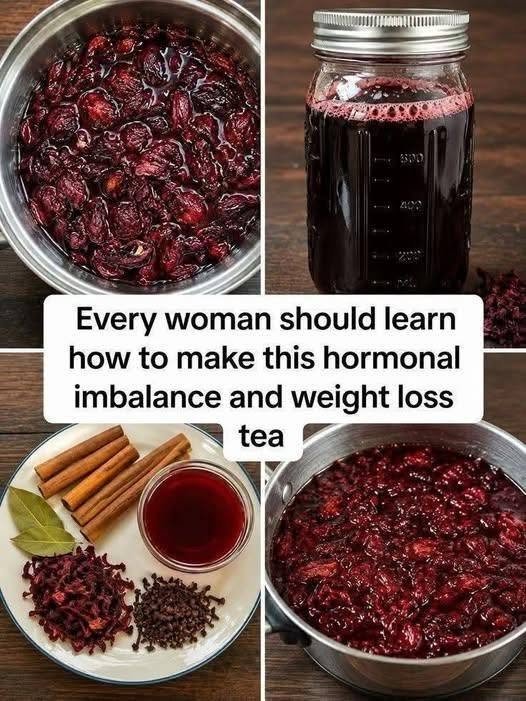
Making a homemade herbal tea has a very reassuring quality, especially when the lovely scent of hibiscus, cloves, and cinnamon permeates the kitchen. [❤️ One of my favourite beverages to make when I want something tasty, refreshing, and naturally caffeine-free is hibiscus tea, sometimes referred to as roselle tea.
I was intrigued to try this lovely red tea after a friend suggested it to me. Last weekend, I made a batch with bay leaves, cloves, cinnamon sticks, and dried hibiscus flowers. The colour was stunning, and the spicy spices blended with a somewhat acidic flavour.
Hibiscus Tea (Roselle Tea) – Homemade Anti-Inflammatory Herbal Tea
Preparation Time: 5 minutes
Cooking Time: 15 minutes
Steeping Time: 10 minutes
Total Time: 30 minutes
Servings: 4 cups
Category: Herbal Tea, Healthy Drinks, Natural Wellness
Diet: Vegan, Gluten-Free, Dairy-Free, Caffeine-Free
Ingredients
- ½ cup dried hibiscus flowers (roselle)
- 4 cups filtered water
- 2 cinnamon sticks
- 1 teaspoon whole cloves
- 2 dried bay leaves
- 3–4 thin slices of fresh ginger (optional)
- 1 teaspoon fresh lemon juice (optional)
- 1–2 teaspoons raw honey or preferred natural sweetener (optional)
Instructions
Step 1: Prepare the Ingredients
Rinse the dried hibiscus flowers briefly with clean water to remove dust or impurities. Prepare the cinnamon sticks, cloves, and bay leaves.
Step 2: Boil the Water
Add 4 cups of filtered water to a saucepan. Bring the water to a gentle boil over medium heat.
Step 3: Add the Herbs and Spices
Add the dried hibiscus flowers, cinnamon sticks, cloves, and bay leaves. If desired, add fresh ginger for extra flavor.
Step 4: Simmer
Reduce the heat and simmer for approximately 10–15 minutes. The water will gradually develop a deep ruby-red color as the hibiscus releases its natural pigments and flavor.
Step 5: Allow to Steep
Turn off the heat, cover the saucepan, and let the tea steep for another 10 minutes.
Step 6: Strain the Tea
Strain the mixture through a fine-mesh sieve to remove the flowers and spices.
Step 7: Serve
Add fresh lemon juice or a little honey if desired. Enjoy your homemade hibiscus roselle tea warm or chilled.
Serving Suggestions
- Enjoy one cup warm in the morning or afternoon.
- Serve chilled over ice with fresh lemon slices for a refreshing summer drink.
- Pair with a balanced breakfast containing protein, fiber, and healthy fats.
- Enjoy alongside a light lunch or healthy snack.
- Replace sugary soft drinks with unsweetened hibiscus tea.
For everyday enjoyment, keep the tea unsweetened or use minimal sweetener.
Recipe Variations
1. Hibiscus Ginger Tea
Add fresh ginger slices while simmering. Ginger provides a warming flavor and contains naturally occurring bioactive compounds.
2. Hibiscus Lemon Tea
Add freshly squeezed lemon juice after brewing for a bright, refreshing taste.
3. Hibiscus Cinnamon Tea
Increase the cinnamon to three sticks for a stronger aromatic flavor.
4. Iced Roselle Tea
Allow the tea to cool completely, refrigerate, and serve over ice with lemon slices.
5. Hibiscus Mint Tea
Add a few fresh mint leaves after simmering for a refreshing herbal twist.
6. Hibiscus Green Tea
Combine the prepared hibiscus infusion with separately brewed green tea for a different flavor profile. This variation contains caffeine.
Potential Wellness Benefits
Hibiscus tea contains antioxidants, including anthocyanins and other polyphenols.
Potential benefits associated with hibiscus include:
- Antioxidant support: Helps provide plant compounds that protect cells against oxidative stress.
- Anti-inflammatory potential: Hibiscus contains bioactive compounds being studied for their potential role in supporting a healthy inflammatory response.
- Heart health: Research suggests hibiscus tea may help support healthy blood pressure levels in some adults.
- Hydration: Unsweetened hibiscus tea contributes to daily fluid intake.
- Healthy weight management: Replacing sugary beverages with unsweetened herbal tea can help reduce added sugar and calorie intake.
- Digestive wellness: A warm herbal beverage can be a pleasant addition to a balanced digestive wellness routine.
Important: Hibiscus tea is not a proven treatment for hormonal imbalance, PCOS, thyroid conditions, inflammation, or obesity. Evidence for weight loss and hormone regulation is insufficient.
Storage Instructions
- Allow the tea to cool before transferring it to a clean glass jar.
- Refrigerate in a covered container.
- Consume within 3–4 days.
- Serve chilled or gently reheat.
- Do not leave brewed tea at room temperature for extended periods.
Nutrition Information
Approximate nutrition per serving (1 cup), assuming four servings and no added honey:
- Calories: 2–5 kcal
- Carbohydrates: 0–1 g
- Protein: 0 g
- Fat: 0 g
- Fiber: 0 g
- Added sugar: 0 g
- Caffeine: 0 mg
Values are estimates and may vary depending on the ingredients, brewing time, and straining method. Adding honey increases the calorie and carbohydrate content.
Frequently Asked Questions
1. What is hibiscus tea good for?
Hibiscus tea is rich in antioxidant plant compounds and may help support healthy blood pressure. It is also a refreshing caffeine-free alternative to sugary beverages.
2. Can hibiscus tea help with weight loss?
Hibiscus tea is not a proven fat-burning drink. However, replacing high-calorie beverages with unsweetened hibiscus tea can support a calorie-conscious eating plan.
3. Does hibiscus tea balance female hormones?
There is currently insufficient reliable human evidence that hibiscus tea balances estrogen, progesterone, or other female hormones. It should not replace medical treatment for hormonal conditions.
4. Is hibiscus tea anti-inflammatory?
Hibiscus contains antioxidant and potentially anti-inflammatory compounds. However, more human research is needed to establish its effects on inflammatory conditions.
5. Can I drink hibiscus tea every day?
Some healthy adults may enjoy moderate amounts, but daily use is not appropriate for everyone. Hibiscus may lower blood pressure and can interact with certain medications.
6. Is hibiscus tea caffeine-free?
Yes. Pure hibiscus tea is naturally caffeine-free, provided it is not blended with caffeinated tea leaves.
7. Can I drink hibiscus tea at night?
Yes, it contains no natural caffeine. However, individual tolerance and possible blood pressure effects should be considered.
8. Can I drink hibiscus tea during pregnancy?
Pregnant or breastfeeding women should consult a qualified healthcare professional before using hibiscus tea regularly or in concentrated amounts.
Important Precautions
- Hibiscus may lower blood pressure. People with low blood pressure should be cautious.
- If you take medication for high blood pressure or diabetes, consult your healthcare professional before drinking it regularly.
- Discuss possible interactions with prescription medications.
- Avoid medicinal or concentrated use during pregnancy and breastfeeding unless approved by your healthcare professional.
- Stop drinking it if you experience an adverse reaction.
Final Thoughts
Hibiscus Tea (Roselle Tea) is a delicious, naturally caffeine-free herbal drink that combines the goodness of hibiscus flowers with the comforting flavors of cinnamon, cloves, and bay leaves.