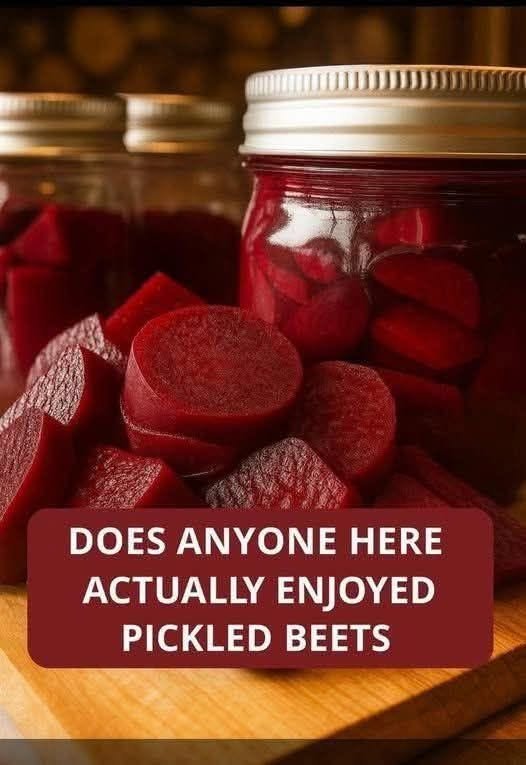
There’s just something so satisfying about opening the fridge and seeing a jar of homemade pickled beets sitting there, with their gorgeous ruby-red color! They’re sweet, slightly tangy, a little earthy, and packed with flavor. Once you try making them at home, you might find yourself reaching for your homemade version instead of buying them at the grocery store.
I have always loved recipes that turn simple ingredients into something truly delicious, and these pickled beets are one of those little kitchen favorites. They’re budget-friendly, incredibly easy to make, and go well with just about everything. Whether you serve them with lunch, add them to a fresh salad, or enjoy a few straight from the jar, they’re a lovely way to add extra flavor and color to your meals.
Homemade Pickled Beets (Easy Anti-Inflammatory Beetroot Recipe)
Prep Time: 15 minutes
Cook Time: 35–45 minutes
Chilling Time: 24 hours
Total Time: Approximately 1 hour plus chilling
Servings: 8
Course: Side Dish, Salad, Healthy Snack
Cuisine: American
Diet: Vegetarian, Gluten-Free, Dairy-Free
Description
Homemade Pickled Beets are sweet, tangy, colorful, and incredibly easy to prepare. Fresh beets are cooked until tender, sliced, and soaked in a delicious homemade pickling brine made with vinegar, water, natural sweetener, and aromatic spices.
This healthy beetroot recipe is packed with beneficial plant compounds, including betalains, which provide antioxidant activity. Beets also contain dietary fiber, folate, and potassium.
Enjoy these refrigerator pickled beets as a nutritious side dish, add them to fresh salads, or serve them alongside your favorite meals.
Ingredients
For the Beets
- 2 pounds fresh red beets (approximately 900 grams)
- Cold water, as needed for boiling
For the Pickling Brine
- 1 cup apple cider vinegar (5% acidity)
- 1 cup water
- 2–3 tablespoons honey or maple syrup (adjust to taste)
- 1 teaspoon sea salt
- 1 teaspoon mustard seeds
- ½ teaspoon black peppercorns
- ½ teaspoon whole cloves (optional)
- 1 small cinnamon stick (optional)
- 1 bay leaf
- 2 garlic cloves, lightly crushed (optional)
Instructions
Step 1: Prepare the Beets
Wash the fresh beets thoroughly under running water. Trim the leaves and roots, leaving a little stem attached to help prevent color loss during cooking.
Step 2: Cook the Beets
Place the beets in a large saucepan and cover them with water.
Bring to a boil, then reduce the heat and simmer for approximately 30–45 minutes, depending on their size.
The beets are ready when a fork or knife easily slides into the center.
Drain and allow them to cool until comfortable to handle.
Step 3: Peel and Slice
Remove the beet skins by gently rubbing them off with your fingers or a paper towel.
Slice the beets into rounds or cut them into bite-sized wedges.
For evenly flavored pickled beets, try to keep the slices approximately the same thickness.
Step 4: Prepare the Pickling Liquid
Combine apple cider vinegar, water, honey or maple syrup, sea salt, mustard seeds, peppercorns, cloves, cinnamon, and bay leaf in a saucepan.
Bring the mixture to a gentle simmer, stirring until the salt and sweetener dissolve.
Remove from the heat.
Step 5: Fill the Jars
Place the sliced beets into clean glass jars.
Add the optional garlic cloves and pour the warm pickling liquid over the beets until completely covered.
Allow the mixture to cool.
Step 6: Refrigerate
Secure the jar lids and refrigerate.
Allow the beets to pickle for at least 24 hours before serving. For a deeper flavor, let them sit for 2–3 days.
Keep refrigerated at 40°F (4°C) or below.
Important: This is a refrigerator pickle recipe, not a shelf-stable canning recipe. Do not store these jars at room temperature.
Serving Suggestions
Homemade Pickled Beets are versatile and pair beautifully with many healthy meals.
- Fresh salads: Add sliced pickled beets to spinach, arugula, or mixed green salads.
- Healthy grain bowls: Combine with quinoa, brown rice, chickpeas, and avocado.
- Sandwiches: Add beet slices to vegetable sandwiches and wraps.
- Breakfast: Serve alongside eggs, whole-grain toast, or savory breakfast bowls.
- Healthy snacks: Enjoy a few chilled beet slices straight from the refrigerator.
- Mediterranean meals: Pair with hummus, cucumber, olives, and grilled vegetables.
- Side dishes: Serve alongside roasted chicken, fish, or vegetarian meals.
Recipe Variations
1. Sugar-Free Pickled Beets
Skip the honey or maple syrup for a less-sweet, lower-sugar version. The vinegar and spices still provide plenty of flavor.
2. Garlic Pickled Beets
Add extra fresh garlic cloves to the jars for a savory, aromatic flavor.
3. Spicy Pickled Beets
Add a sliced fresh chili pepper or a pinch of red pepper flakes for a spicy kick.
4. Cinnamon and Clove Beets
Include cinnamon sticks and whole cloves for a warm, slightly sweet flavor.
5. Apple Cider Vinegar Pickled Beets
Use apple cider vinegar as the primary vinegar for a fruity, tangy taste.
6. Ginger Pickled Beets
Add a few thin slices of fresh ginger to the pickling liquid for a refreshing, spicy flavor.
7. Low-Sodium Pickled Beets
Reduce the added salt if you are watching your sodium intake. Remember that the finished recipe will still contain some sodium.
Storage Instructions
- Store homemade pickled beets in clean, covered glass jars.
- Keep refrigerated at 40°F (4°C) or below.
- For best quality, consume within 2–3 weeks.
- Always use a clean utensil when removing beets from the jar.
- Keep the beets submerged in the pickling liquid.
- Discard if you notice mold, unusual odors, or other signs of spoilage.
- Do not freeze in glass jars.
Nutrition Information
Approximate nutrition per serving, assuming 8 servings:
- Calories: 85 kcal
- Carbohydrates: 17 g
- Protein: 2 g
- Fat: 0 g
- Dietary Fiber: 3 g
- Total Sugar: 13 g
- Sodium: 300 mg
- Potassium: 300 mg
- Vitamin C: 4 mg
- Folate: 80 mcg
Nutrition values are estimates and vary depending on beet size, sweetener, salt, and how much pickling liquid is consumed.
Potential Health Benefits of Pickled Beets
1. Antioxidant Support
Beets contain betalains, natural pigments with antioxidant properties that help protect cells against oxidative stress.
2. Anti-Inflammatory Nutrition
Betalains and other plant compounds in beetroot have demonstrated anti-inflammatory activity in research. Eating beets can contribute to an overall balanced, anti-inflammatory eating pattern.
3. Heart Health
Beets naturally contain dietary nitrates, which the body can convert into nitric oxide. Nitric oxide helps support healthy blood vessel function.
4. Digestive Health
Beets provide dietary fiber, which supports normal digestion and gut health.
5. Nutrient Support
Beets provide folate, potassium, and other essential nutrients that contribute to normal body functions.
Health note: Pickling does not make beets a treatment for inflammation, high blood pressure, or other medical conditions. These benefits should be understood as part of an overall healthy diet.
Frequently Asked Questions
1. Are homemade pickled beets healthy?
Yes! Beets provide fiber, folate, potassium, and antioxidant plant compounds. However, homemade pickled beets may contain added sugar and salt, so adjust these ingredients to suit your dietary needs.
2. Are pickled beets anti-inflammatory?
Beets contain betalains and other compounds with antioxidant and anti-inflammatory properties. They can be included in an anti-inflammatory diet, although pickled beets are not a medical treatment for inflammation.
3. How long do homemade pickled beets last?
When properly refrigerated at 40°F (4°C) or below, this recipe is best enjoyed within 2–3 weeks.
4. Do pickled beets need to be refrigerated?
Yes. This recipe is specifically designed for refrigerator storage and is not suitable for pantry storage.
5. Can I make pickled beets without sugar?
Absolutely! Simply omit the honey or maple syrup. The beets will have a more naturally earthy and tangy flavor.
6. Which vinegar is best for pickled beets?
Apple cider vinegar and white distilled vinegar with 5% acidity both work well. Apple cider vinegar provides a slightly fruity taste, while white vinegar gives a sharper flavor.
7. Can I eat pickled beets every day?
They can be enjoyed regularly in moderate portions as part of a balanced diet. Be mindful of added sodium and sugar.
8. Are pickled beets good for gut health?
Beets contain dietary fiber, which supports digestive health. However, ordinary vinegar pickles should not automatically be considered probiotic foods. This recipe is not fermented.
9. Can I use pre-cooked beets?
Yes. Plain, unseasoned, pre-cooked beets can save preparation time. Simply slice them and proceed with the pickling instructions.
10. Why did my pickled beets lose their bright color?
Beets naturally release their pigments into the pickling liquid. This is normal and often produces a beautiful deep-red brine.
Final Thoughts
Homemade Pickled Beets are a delicious way to enjoy the natural goodness of fresh beetroot. With their beautiful ruby-red color, sweet and tangy flavor, and beneficial plant compounds, they make a wonderful addition to a healthy lifestyle.