There’s something comforting about a good cup of herbal tea, especially after a busy day when all you want is to sit back, relax, and enjoy a peaceful moment. Sometimes, the simplest things bring the most happiness, and for me, a homemade cup of tea is one of them.
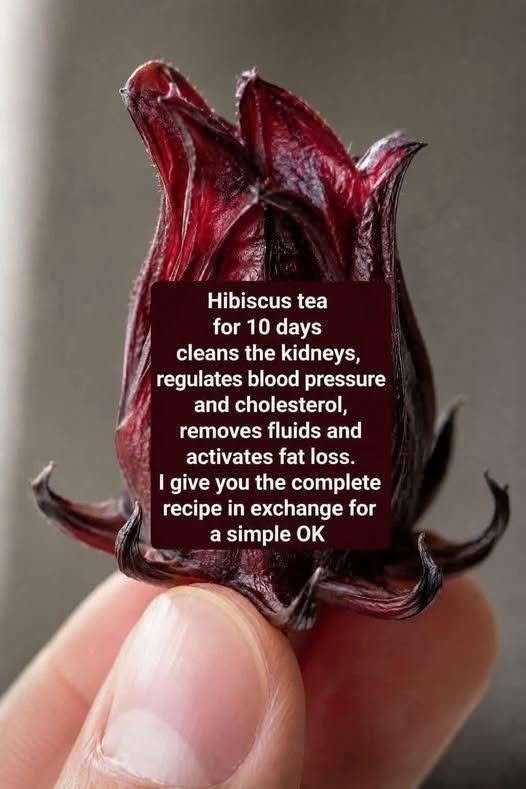
Hibiscus tea, also called roselle tea, is a beautiful drink with a deep ruby-red color and a refreshing, slightly tangy flavor that reminds me of cranberries. What I love most is how easy it is to prepare at home. You can enjoy it warm on a cool evening or serve it over ice on a sunny afternoon. Add a little lemon, honey, or fresh mint, and you have a delicious herbal drink that feels special without requiring much effort..
Hibiscus Tea (Roselle Tea): Anti-Inflammatory Herbal Tea Recipe
Recipe Description
Hibiscus tea, also known as roselle tea, is a vibrant ruby-red herbal infusion made from the dried calyces of the hibiscus plant (Hibiscus sabdariffa). It has a naturally tart, cranberry-like flavor and can be enjoyed hot or cold.
This caffeine-free herbal tea contains anthocyanins and other polyphenols with antioxidant properties. It can be a refreshing addition to a balanced diet and may support healthy blood pressure. However, hibiscus tea is not a kidney cleanse, a proven fat-burning drink, or a substitute for medical treatment.
Recipe at a glance
- Preparation time: 5 minutes
- Steeping time: 10–15 minutes
- Total time: 15–20 minutes
- Servings: 2 cups
- Best for: A refreshing herbal beverage, antioxidant-rich nutrition, and a healthy hydration routine
- Flavor: Tart, fruity, slightly tangy
- Caffeine: Naturally caffeine-free
Ingredients
- 2 tablespoons dried hibiscus flowers (roselle calyces), food-grade
- 2 cups (475 ml) filtered water
- 1–2 teaspoons honey or another sweetener, optional
- 1–2 teaspoons fresh lemon juice, optional
- 2–3 thin slices of fresh ginger, optional
- 1 small cinnamon stick, optional
- Fresh mint leaves, optional
Instructions: How to Make Hibiscus Tea
- Heat the water: Bring 2 cups of filtered water to a boil.
- Add the hibiscus: Place the dried hibiscus flowers in a heatproof teapot or saucepan.
- Steep the tea: Pour the hot water over the flowers. Cover and steep for 10–15 minutes, depending on your preferred strength.
- Strain: Remove the flowers using a fine-mesh strainer.
- Add flavor: Stir in lemon juice, ginger, cinnamon, or a small amount of honey, if desired.
- Serve: Enjoy warm, or let the tea cool before pouring it over ice.
Important: There is no established 10-day hibiscus tea regimen that reliably cleanses the kidneys, removes excess body fat, or detoxifies the body. Enjoy this tea as a beverage rather than as a detox treatment.
Serving Suggestions
- Morning wellness drink: Enjoy a cup with breakfast as an alternative to sugary drinks.
- After-lunch refreshment: Serve warm or chilled with a balanced meal.
- Iced hibiscus tea: Refrigerate the prepared tea and serve over ice with lemon and mint.
- Natural fruit infusion: Combine with orange slices, berries, or a little apple juice.
- Evening herbal beverage: Drink it without caffeine-containing additions, while remembering that caffeine-free does not automatically mean suitable for everyone.
- Healthy hydration: Alternate hibiscus tea with plain water throughout the day.
Variations
1. Hibiscus Ginger Tea
Add 2–3 slices of fresh ginger while steeping. This creates a warming, spicy flavor. Ginger contains bioactive compounds studied for their potential anti-inflammatory effects, although this tea is not a treatment for inflammatory diseases.
2. Hibiscus Lemon Tea
Add fresh lemon juice after straining. The citrus enhances the tart flavor and provides a small amount of vitamin C.
3. Hibiscus Cinnamon Tea
Steep the flowers with a small cinnamon stick for a gentle, warming aroma. Avoid excessive use of concentrated cinnamon products.
4. Iced Roselle Tea
Prepare the tea as directed, allow it to cool, and refrigerate. Serve over ice with mint and lemon for a refreshing summer drink.
5. Unsweetened Hibiscus Tea
Skip the honey and sugar for a low-calorie herbal beverage suitable for many calorie-conscious eating plans.
6. Hibiscus and Mint Tea
Add a few fresh mint leaves after steeping for a clean, refreshing flavor.
7. Hibiscus Green Tea Blend
Combine hibiscus with a small amount of green tea if you prefer a more complex flavor. This variation contains caffeine, unlike pure hibiscus tea.
Potential Health Benefits of Hibiscus Tea
Antioxidant Support
Hibiscus contains anthocyanins and other polyphenols that help protect cells from oxidative stress. These compounds are being studied for their role in overall health.
Blood Pressure Support
Research suggests hibiscus tea may modestly lower blood pressure in some adults. It should not replace prescribed blood pressure medication, and people with low blood pressure should use caution.
Anti-Inflammatory Potential
Hibiscus contains plant compounds with antioxidant and potential anti-inflammatory activity. Much of the evidence comes from laboratory and animal research, so the extent of the effect in humans remains uncertain.
Heart Health and Cholesterol
Some studies have investigated hibiscus for its possible effects on cholesterol and other cardiovascular risk factors. Results are mixed, and it should not be considered a substitute for cholesterol-lowering treatment.
Weight Management
Unsweetened hibiscus tea is low in calories and can replace sugary beverages. However, there is insufficient evidence that hibiscus tea directly burns fat or produces meaningful weight loss on its own.
Hydration
Hibiscus tea contributes to daily fluid intake. It does not specifically flush toxins from the kidneys; healthy kidneys naturally filter waste from the blood.
Nutrition Facts
Approximate nutrition for one serving (1 cup or 237 ml) of unsweetened hibiscus tea prepared with dried flowers and strained:
- Calories: 0–5 kcal
- Carbohydrates: 0–1 g
- Sugars: 0 g
- Protein: 0 g
- Fat: 0 g
- Fiber: 0 g
- Sodium: Minimal
- Caffeine: 0 mg
Actual values depend on the amount of hibiscus used and the brewing method. Adding honey or sugar increases calories and carbohydrates.
Safety and Precautions
Hibiscus tea is generally well tolerated by many healthy adults when consumed in moderate amounts, but it is not suitable for everyone.
- Blood pressure medication: Hibiscus may lower blood pressure further when combined with certain medicines.
- Diabetes medication: It may affect blood glucose in some people, so monitor levels if advised by your healthcare professional.
- Pregnancy and breastfeeding: Safety information is limited. Avoid medicinal or concentrated use during pregnancy and consult a qualified healthcare professional before use while breastfeeding.
- Kidney or liver disease: Ask your healthcare professional whether regular hibiscus tea is appropriate for your condition.
- Medication interactions: Consult a pharmacist or clinician if you take prescription medicines, particularly those affecting blood pressure or blood sugar.
- Allergies or digestive sensitivity: Stop drinking it if you experience an allergic reaction or persistent stomach discomfort.
Seek medical advice for persistent swelling, changes in urination, high blood pressure, or unexplained weight changes rather than attempting a home detox.
Related Questions
Can I drink hibiscus tea every day?
Many healthy adults can enjoy moderate amounts, such as one cup daily, but there is no universally established ideal dose. Suitability depends on health conditions, medications, and individual tolerance.
How long should I steep hibiscus tea?
Steep for 10–15 minutes. A longer steep usually produces a stronger, more tart flavor.
Is hibiscus tea good for inflammation?
It contains antioxidants and compounds with potential anti-inflammatory properties. Human evidence is still limited, so it should complement—not replace—medical care and a balanced diet.
Does hibiscus tea cleanse the kidneys?
No tea has been proven to cleanse or detoxify healthy kidneys. The kidneys perform this function naturally. Hibiscus tea may contribute to fluid intake, but people with kidney disease should seek individualized medical advice.
Does hibiscus tea burn belly fat?
There is no convincing evidence that hibiscus tea specifically burns belly fat. Unsweetened tea can support a weight-management plan by replacing higher-calorie beverages.
Can hibiscus tea lower blood pressure?
Clinical research suggests it may modestly lower blood pressure in some people. Anyone taking blood pressure medication should consult a healthcare professional before using it regularly for this purpose.
Is hibiscus tea better hot or cold?
Both are suitable. Hot tea offers a comforting herbal drink, while chilled tea makes a refreshing alternative to sweetened beverages.
Can I drink hibiscus tea before bed?
Pure hibiscus tea is naturally caffeine-free. However, it may not suit everyone, particularly people who need to limit fluids or who experience low blood pressure.
How should I store prepared hibiscus tea?
Store it in a clean, covered container in the refrigerator and consume within 3–4 days. Discard it if its smell, appearance, or taste becomes unusual.
Final Thoughts
Hibiscus tea (roselle tea) is an easy, colorful, and refreshing addition to a healthy lifestyle. Its antioxidant-rich plant compounds make it an interesting option for people seeking herbal beverages, cardiovascular wellness support, and alternatives to sugary drinks.