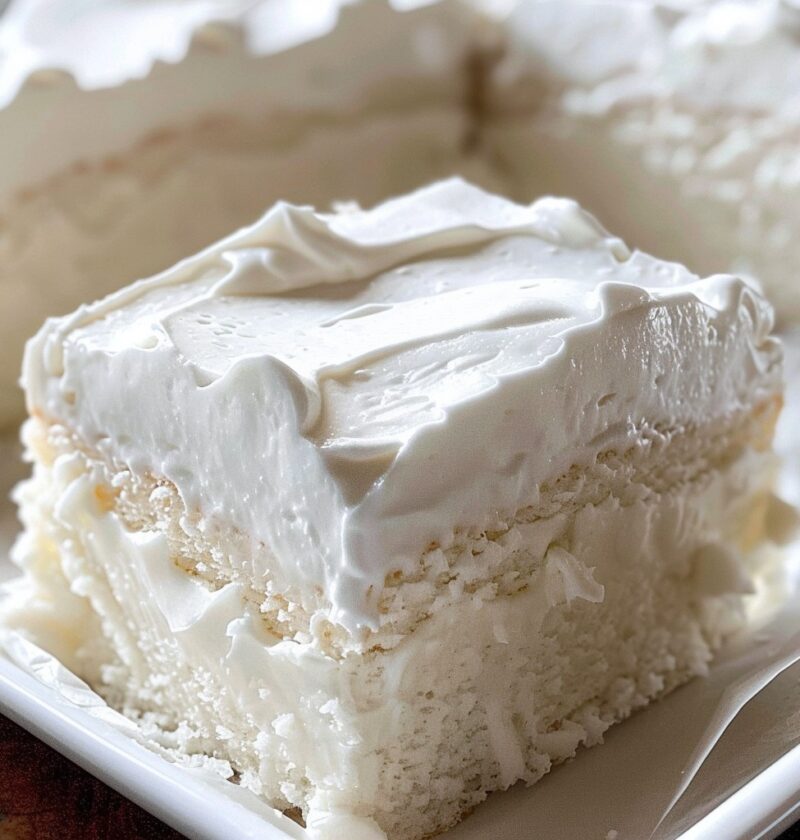
This whipped buttercream frosting is undoubtedly one of the recipes that I consistently return to. It’s the type of dish that magically elevates an everyday cake to a festive occasion.
I complained that my buttercream was always a little too heavy, so a friend suggested this technique. Last weekend, I tried it with my family, and to be honest, I was shocked at how big of a difference the additional whipping made. Everyone kept stealing tiny spoonfuls from the bowl because the frosting was so smooth, light, creamy, and fluffy.
Whipped Buttercream Frosting Recipe
Creamy, fluffy, silky, and easy to pipe, this Whipped Buttercream Frosting is a versatile homemade frosting for cakes, cupcakes, cookies, and desserts. It has a light whipped texture while remaining rich enough for decorating.
About “anti-inflammatory”: Traditional buttercream is a dessert and isn’t considered an anti-inflammatory food. If you’re looking for an anti-inflammatory-friendly dessert, you can make the optional modifications below—such as reducing added sugar and adding naturally flavorful ingredients—but these changes don’t make the frosting a medical treatment.
🍰 Recipe Overview
Prep Time: 15 minutes
Total Time: 15–20 minutes
Yield: About 3 cups frosting
Servings: Approximately 12–16, depending on use
Ingredients
-
1 cup (227 g) unsalted butter, softened to room temperature
-
3½–4 cups (420–480 g) powdered sugar, sifted
-
2–4 tablespoons heavy cream or milk
-
2 teaspoons pure vanilla extract
-
¼ teaspoon salt
-
1–2 tablespoons heavy whipping cream, optional, for extra fluffiness
Optional Flavor Additions
-
1–2 tablespoons cocoa powder for chocolate buttercream
-
1 tablespoon lemon juice + 1 teaspoon lemon zest for lemon frosting
-
½ teaspoon almond extract for almond buttercream
-
1–2 tablespoons strawberry or raspberry puree for berry frosting
-
½ teaspoon cinnamon for cinnamon buttercream
👩🍳 How to Make Whipped Buttercream
1. Prepare the butter
Place softened butter in a large mixing bowl. Beat with a stand mixer or electric hand mixer on medium-high speed for 4–6 minutes.
The butter should become noticeably lighter in color and fluffy in texture.
2. Add powdered sugar
Reduce the mixer to low speed and gradually add the sifted powdered sugar.
Mix until the sugar is incorporated, scraping down the sides of the bowl as needed.
3. Add vanilla and salt
Add vanilla extract and salt. Mix again until combined.
4. Adjust the consistency
Add cream or milk one tablespoon at a time until you reach your preferred consistency.
For a fluffy frosting, beat for another 3–5 minutes on medium-high speed.
5. Whip until silky
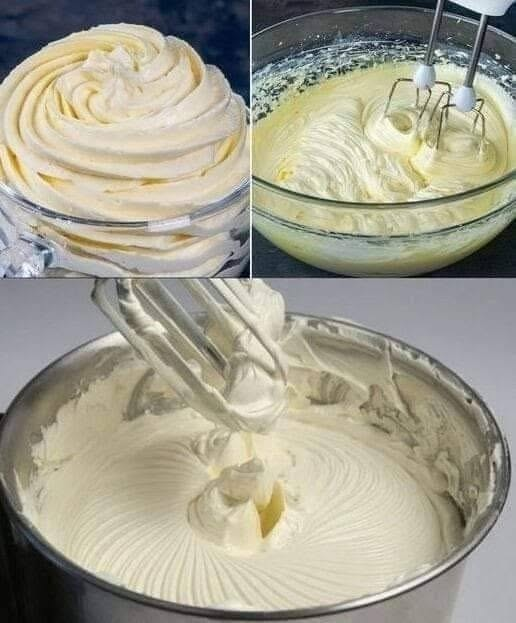
Continue beating until the frosting looks smooth, airy, and creamy.
If it’s too thick, add a little cream. If it’s too soft, add additional powdered sugar.
6. Pipe or spread
Transfer the frosting to a piping bag for cupcakes and decorative cakes, or spread it directly onto a cooled cake using a spatula.
✨ Tips for Perfect Buttercream
Use room-temperature butter: Cold butter won’t whip properly, while melted butter can make the frosting runny.
Sift the powdered sugar: This helps create smoother frosting with fewer lumps.
Don’t rush the whipping: Properly whipping the butter is what gives this recipe its light texture.
Use cooled cakes: Warm cake can melt buttercream and cause it to slide.
For extra-smooth frosting: After mixing, use the mixer on low speed for 1–2 minutes to remove some of the larger air bubbles.
🎂 Serving Suggestions
Use this homemade buttercream frosting for:
-
Birthday cakes
-
Vanilla cupcakes
-
Chocolate cupcakes
-
Wedding cakes
-
Sheet cakes
-
Layer cakes
-
Red velvet cake
-
Carrot cake
-
Sugar cookies
-
Brownies
-
Cake pops
-
Dessert jars
-
Mini cakes
-
Holiday cookies
For an elegant presentation, pipe it with a star, closed-star, round, or French pastry tip and finish with sprinkles, chocolate shavings, fresh berries, or edible flowers.
🌿 “Anti-Inflammatory” Variations
Because buttercream contains butter and powdered sugar, it shouldn’t be described as an anti-inflammatory food. However, if your goal is a dessert that fits better into an overall balanced eating pattern, you can experiment with:
Lower-Sugar Buttercream
Reduce the powdered sugar slightly and compensate with additional whipped butter and vanilla. The result will be less sweet and somewhat softer.
Berry Buttercream
Add a small amount of strained strawberry, raspberry, or blueberry puree for fruit flavor and color.
Cinnamon Vanilla Buttercream
Add ½ teaspoon cinnamon and extra vanilla for a warm, naturally aromatic flavor.
Dark Chocolate Buttercream
Add unsweetened cocoa powder for a richer chocolate flavor. Dark cocoa can provide more intense flavor without relying entirely on additional sugar.
Lemon Buttercream
Add fresh lemon zest and a little lemon juice for a bright, tangy frosting that balances very sweet cakes.
Important: If you follow a therapeutic anti-inflammatory diet for a medical condition, the appropriate ingredients depend on your individual dietary needs.
🍫 Chocolate Whipped Buttercream Variation
For chocolate frosting, add:
-
½ cup unsweetened cocoa powder
-
An additional 2–4 tablespoons cream or milk
-
Optional: 2 ounces melted and cooled dark chocolate
Beat until completely smooth and fluffy.
This makes an excellent chocolate cake frosting or chocolate cupcake frosting.
🧁 Nutrition Information
Approximate nutrition per 2-tablespoon serving, assuming 16 servings:
-
Calories: 190–220
-
Total fat: 9–11 g
-
Saturated fat: 6–7 g
-
Carbohydrates: 28–32 g
-
Added sugars: approximately 27–30 g
-
Protein: less than 1 g
-
Sodium: approximately 40–60 mg
Nutrition varies according to the amount of powdered sugar, cream, and butter used.
❓ Related Questions
Can I make buttercream ahead of time?
Yes. Store it in an airtight container in the refrigerator for several days. Let it soften at room temperature and re-whip before using.
Why is my buttercream runny?
The butter may have become too warm, or too much liquid may have been added. Refrigerate it briefly, then whip again. You can also gradually add powdered sugar.
Why is my buttercream grainy?
Powdered sugar may not have been incorporated properly. Sifting it before mixing and whipping the frosting thoroughly usually helps.
Can I freeze whipped buttercream?
Yes. Place it in an airtight freezer-safe container and freeze. Thaw it in the refrigerator, bring it toward room temperature, and re-whip before decorating.
Can I use salted butter?
Yes. Simply omit or substantially reduce the additional salt.
Is this frosting good for piping?
Absolutely. Adjust the consistency according to the decoration you want. Slightly thicker frosting works well for roses and detailed piping, while a softer consistency is useful for spreading.
Can I make it less sweet?
Yes, although traditional American buttercream relies heavily on powdered sugar for sweetness and structure. Reducing it too much will produce a softer, richer frosting.
💡 Final Thoughts
This Whipped Buttercream Frosting is an easy, reliable recipe when you want a fluffy homemade frosting with a smooth texture and excellent piping ability. The key is simple: use properly softened butter, add powdered sugar gradually, and give the frosting enough whipping time to become light and airy.