
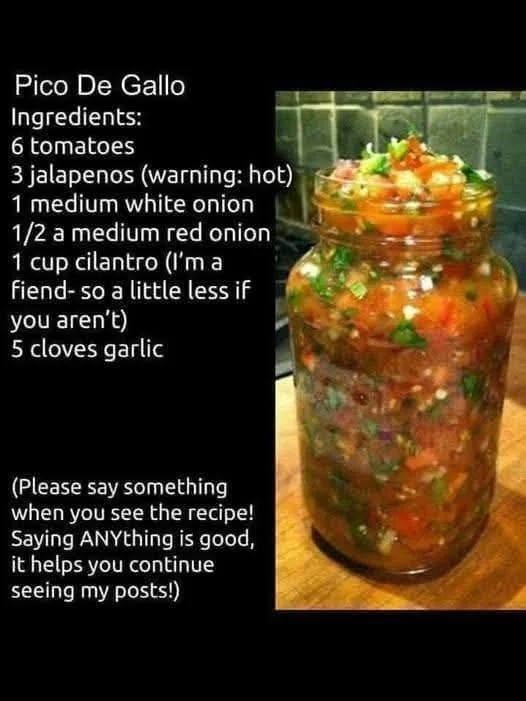
There are recipes that belong. There are recipes. There are recipes. There are some cooks. There are recipes. For me, Pico de Gallo is unquestionably one of those.
I originally came across this combination of tomatoes, jalapeños, onion, cilantro, garlic, and lime through a buddy who convinced I had to try making it fresh at home. To be honest, I wondered how much of a difference homemade salsa could actually make. Well, a good deal.
Anti-Inflammatory Pico de Gallo Recipe
Fresh, colorful, crunchy, and packed with vegetables, this Pico de Gallo is an easy homemade salsa that can add bright flavor to almost any meal. Made with tomatoes, jalapeños, onions, cilantro, garlic, lime juice, and a touch of salt, it is naturally low in calories and provides a variety of plant compounds, vitamins, and minerals.
If you’re looking for healthy recipes, anti-inflammatory foods, low-calorie snacks, clean eating recipes, or easy Mexican-inspired recipes, this fresh Pico de Gallo is an excellent addition to your meal rotation.
Note: Pico de Gallo can fit into an anti-inflammatory eating pattern, but no single food can treat or cure inflammation. Overall dietary pattern and lifestyle matter most.
🌶️ What Is Pico de Gallo?
Pico de Gallo, also called salsa fresca or salsa cruda, is a fresh Mexican salsa traditionally prepared with diced tomatoes, onion, fresh cilantro, jalapeño, lime juice, and salt.
Unlike many cooked or jarred salsas, Pico de Gallo is typically served completely fresh, giving it a crisp texture and vibrant flavor.
🥗 Ingredients
Fresh Pico de Gallo
-
6 medium tomatoes, finely diced
-
3 jalapeños, finely diced and seeds removed for less heat
-
1 medium white onion, finely diced
-
½ medium red onion, finely diced
-
1 cup fresh cilantro, chopped
-
5 cloves garlic, finely minced
-
2–3 tablespoons fresh lime juice
-
½–1 teaspoon sea salt, to taste
-
Optional: ¼ teaspoon black pepper
Optional anti-inflammatory-friendly additions
-
½ teaspoon freshly grated ginger
-
½ teaspoon ground turmeric
-
1 finely diced red bell pepper
-
½ diced avocado
-
Extra fresh lime juice
👩🍳 How to Make Pico de Gallo
1. Prepare the tomatoes
Wash and dry the tomatoes. Remove excess seeds and watery pulp if you prefer a thicker salsa.
Dice the tomatoes into small, even pieces and place them in a large mixing bowl.
2. Chop the vegetables
Finely dice the white onion, red onion, and jalapeños.
For a milder Pico de Gallo, remove the jalapeño seeds and inner membranes. For a spicy salsa, leave some of them intact.
3. Add garlic and cilantro
Add the minced garlic and freshly chopped cilantro to the bowl.
Fresh garlic and herbs provide powerful flavor without requiring much added fat, sugar, or sodium.
4. Add lime juice
Pour in the fresh lime juice and gently toss everything together.
The acidity of lime helps brighten the flavors and balances the sweetness of the tomatoes.
5. Season
Add salt gradually and taste.
Adjust the lime juice, salt, cilantro, or jalapeño according to your preference.
6. Let it rest
For the best flavor, refrigerate the Pico de Gallo for 15–30 minutes before serving.
This gives the ingredients time to mingle.
🍅 Why This Pico de Gallo Can Fit an Anti-Inflammatory Diet
This recipe contains several nutrient-dense plant foods.
Tomatoes
Tomatoes provide lycopene, a carotenoid antioxidant associated with the health benefits of diets rich in colorful fruits and vegetables.
Garlic
Garlic contains sulfur-containing compounds and adds substantial flavor without needing butter, cream, or excessive salt.
Onions
Onions provide plant compounds such as quercetin and contribute fiber and antioxidants.
Jalapeños
Jalapeños contain capsaicin, the compound responsible for their characteristic heat.
Cilantro
Fresh cilantro adds flavor along with vitamins and plant compounds.
Lime
Fresh lime contributes vitamin C and makes the salsa bright and refreshing.
Together, these ingredients make Pico de Gallo a flavorful way to increase your intake of vegetables and herbs.
🍽️ Serving Suggestions
Pico de Gallo is incredibly versatile.
With grilled chicken
Spoon it over grilled chicken breast or chicken thighs for a fresh, flavorful topping.
With fish
Pair it with grilled or baked salmon, cod, tilapia, or another lean fish.
With tacos
Use it as a topping for chicken, fish, shrimp, bean, or vegetable tacos.
With eggs
Serve alongside scrambled eggs, omelets, breakfast burritos, or avocado toast.
With beans
Combine Pico de Gallo with black beans or pinto beans for a simple plant-based meal.
With avocado
Add Pico de Gallo to sliced avocado or guacamole for a satisfying snack.
With quinoa or brown rice
Use it as a fresh topping for a grain bowl with beans, vegetables, and your favorite protein.
As a healthy snack
Serve with baked tortilla chips, whole-grain crackers, cucumber slices, bell peppers, or celery.
In a burrito bowl
Layer brown rice, black beans, grilled chicken, lettuce, avocado, corn, and Pico de Gallo for an easy balanced meal.
🌮 Variations
Mango Pico de Gallo
Add 1 diced ripe mango for natural sweetness and tropical flavor.
Avocado Pico de Gallo
Add 1 diced avocado immediately before serving.
Corn Pico de Gallo
Mix in ½–1 cup cooked corn for additional sweetness and texture.
Cucumber Pico de Gallo
Add finely diced cucumber for an extra-crisp, hydrating salsa.
Pineapple Pico de Gallo
Replace some of the tomato with diced fresh pineapple for a sweet-and-spicy variation.
Extra-Spicy Pico de Gallo
Use serrano peppers instead of some or all of the jalapeños.
Mild Pico de Gallo
Remove all jalapeño seeds and use only one jalapeño.
Black Bean Pico de Gallo
Add rinsed black beans for extra fiber and plant-based protein.
Mediterranean-Inspired Variation
Add diced cucumber, parsley, extra lemon or lime juice, and a small amount of extra-virgin olive oil.
🧊 Storage
Store homemade Pico de Gallo in an airtight container in the refrigerator.
For the best texture and flavor, consume it within 2–3 days. Tomatoes release liquid as they sit, so simply stir before serving.
If you’re preparing it ahead of time, you can dice the vegetables in advance and combine everything shortly before serving.
📊 Approximate Nutrition
Nutrition will vary according to tomato size, amount of salt, and serving size.
Per approximately ½-cup serving:
-
Calories: 25–40
-
Protein: 1 g
-
Carbohydrates: 6–8 g
-
Fiber: 1–2 g
-
Fat: Less than 1 g
-
Sugar: 3–4 g naturally occurring
-
Sodium: Approximately 100–250 mg, depending on added salt
-
Vitamin C: Good source
-
Vitamin A: Provides some
-
Potassium: Provides some
Adding avocado, olive oil, beans, or other ingredients will substantially change the nutrition profile.
💡 Tips for the Best Pico de Gallo
Use ripe tomatoes. They provide the majority of the salsa’s flavor and juiciness.
Don’t over-chop. Small, uniform pieces give Pico de Gallo its characteristic texture.
Use fresh lime juice. Freshly squeezed lime generally provides a brighter flavor than bottled juice.
Salt gradually. You can always add more, but you can’t easily remove it.
Let it rest. Even 20 minutes can make a noticeable difference in flavor.
Control the heat. Jalapeño heat varies considerably from pepper to pepper, so add gradually if you’re sensitive to spicy foods.
❓ Frequently Asked Questions
Is Pico de Gallo healthy?
Pico de Gallo can be a nutrient-dense addition to a balanced diet. It is primarily made from fresh vegetables, herbs, and lime and is naturally low in calories.
Is Pico de Gallo anti-inflammatory?
It can fit well into an anti-inflammatory diet because it contains a variety of vegetables, herbs, and plant compounds. However, it should be viewed as one component of an overall healthy dietary pattern rather than a treatment for inflammation.
Is Pico de Gallo good for weight loss?
Because traditional Pico de Gallo is relatively low in calories while providing volume and flavor, it can be useful in meals designed around calorie awareness. Weight management ultimately depends on overall food intake, activity, and individual circumstances.
Is Pico de Gallo keto-friendly?
Traditional Pico de Gallo can generally fit into a keto-style eating pattern because it contains relatively few carbohydrates per serving. Keep portions and additions such as corn or fruit in mind if you’re strictly limiting carbohydrates.
Can I make Pico de Gallo without cilantro?
Absolutely. If you dislike cilantro, leave it out or substitute a small amount of fresh parsley.
How do I make Pico de Gallo less spicy?
Remove the jalapeño seeds and membranes and reduce the number of peppers. You can also increase the tomatoes and onions to dilute the heat.
Why is my Pico de Gallo watery?
Tomatoes naturally release liquid after being chopped. Removing some seeds and pulp before chopping can help, as can serving the salsa relatively soon after preparation.
Can I freeze Pico de Gallo?
Freezing isn’t recommended if you want the traditional fresh, crunchy texture. Tomatoes and onions become soft after thawing.
🥑 Easy Anti-Inflammatory Meal Idea
For a balanced meal, try:
Grilled salmon + brown rice + roasted vegetables + avocado + fresh Pico de Gallo
This combination provides protein, whole-food carbohydrates, vegetables, healthy fats, fiber, and plenty of fresh flavor.
Another simple option is:
Black beans + quinoa + avocado + mixed greens + Pico de Gallo
It’s an easy plant-forward meal with plenty of texture and color.
📝 Quick Recipe Card
Recipe: Fresh Pico de Gallo
Prep time: 15 minutes
Resting time: 15–30 minutes
Total time: About 30–45 minutes
Servings: Approximately 8
Cuisine: Mexican-inspired
Course: Appetizer, salsa, side dish, topping
Ingredients
6 tomatoes, 3 jalapeños, 1 white onion, ½ red onion, 1 cup cilantro, 5 garlic cloves, 2–3 tbsp lime juice, and salt to taste.
Directions
Dice tomatoes, onions, and jalapeños. Add chopped cilantro and minced garlic. Stir in lime juice and salt. Mix gently and refrigerate for 15–30 minutes before serving.
🌿 Final Thoughts
This Pico de Gallo recipe is a simple example of how fresh ingredients can turn an everyday meal into something colorful and flavorful. Tomatoes, onions, garlic, jalapeños, cilantro, and lime create a combination that’s naturally vibrant without relying on heavy sauces, added sugar, or large amounts of oil.